Get Full Government Meeting Transcripts, Videos, & Alerts Forever!
Get email alerts on the Drinking Water Protection topic
No spam. Unsubscribe anytime.
Catuit Fire District seeks authority to fund source‑water protection projects under H.2258
Summary
Board members from the Catuit Fire District told the committee H.2258 would permit the water commissioners to recommend and fund improvements on private property (with owner consent) to protect municipal wells from contamination, including replacing septic systems in key recharge areas.
The Joint Committee considered H.2258, which would amend the Catuit Fire District’s enabling statute to allow the Board of Water Commissioners to recommend and fund source‑water protection projects on private property with prior written owner approval and voter approval of district funding.
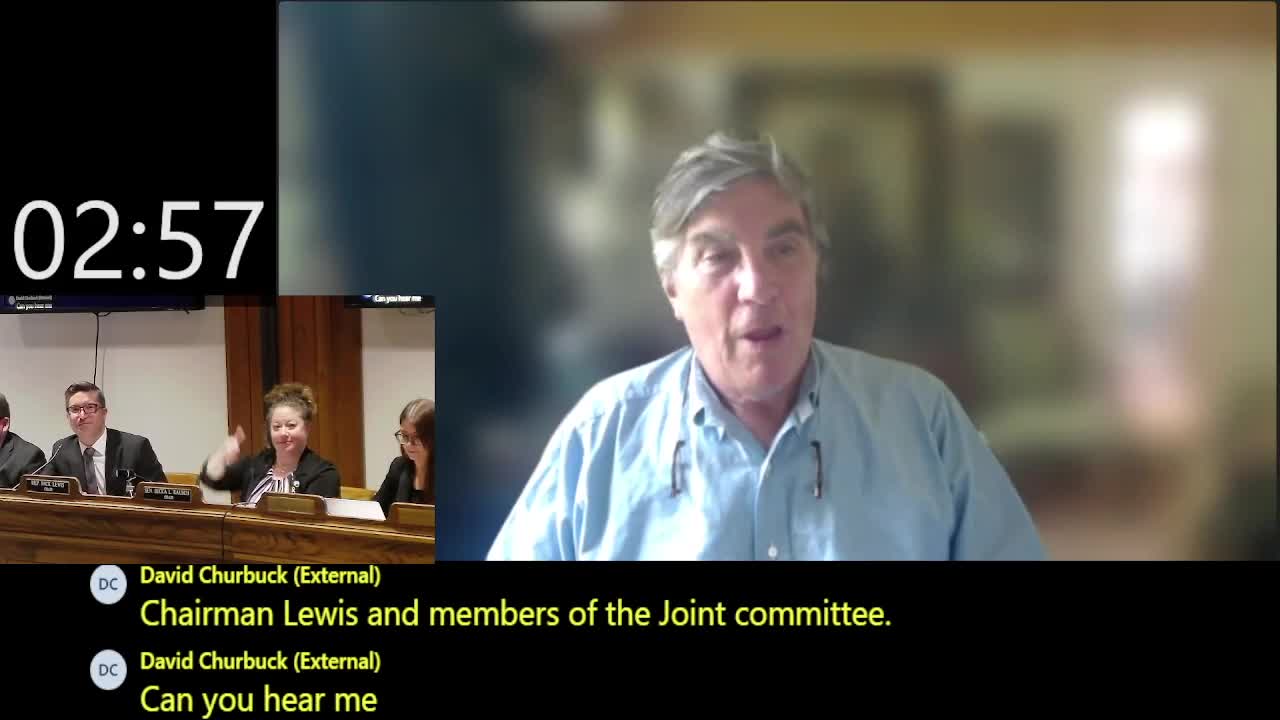
David Cherbuck, chair of the Catuit Fire District board and chairman of the board of water commissioners, said the district serves 2,300 accounts with a summer population near 5,000 and manages five wells on 240 acres. He told the committee the district currently meets all state and federal drinking‑water standards but is concerned about rising salt, iron, manganese, nitrates and PFAS compounds. “We have a total of five wells on 240 acres of land,” Cherbuck said, adding that recent actions included banning new irrigation connections to the public water supply and encouraging private irrigation wells via an escalating rate structure, which he said resulted in more than 100 private irrigation wells and an 18% reduction in demand.
Cherbuck said the amendment was approved previously by voters of the Catuit Fire District and that passage by the Legislature would permit the district to use voter‑approved district funds to work cooperatively with private owners in well recharge zones to replace cesspools or septic systems that might leach contaminants. He noted such projects would only proceed with property‑owner cooperation and voter approval of funding on a district warrant.
No committee vote occurred during the hearing. Committee members asked for technical clarifications about the district’s water supply, demand trends and the proposed financing mechanism; witnesses underlined the project’s voluntary nature and the district’s plan to seek funding through district votes.