Get Full Government Meeting Transcripts, Videos, & Alerts Forever!
Get email alerts on the Forfeiture Reform topic
No spam. Unsubscribe anytime.
Prosecutors, advocates and legal groups press Judiciary Committee on civil asset‑forfeiture reforms
Summary
District attorneys, civil‑liberties groups and legal organizations gave competing testimony about how seized forfeiture funds are used, recommended raising burdens of proof, minimum thresholds and greater transparency and recommended directing forfeiture proceeds to the general fund rather than automatic local law‑enforcement accounts.
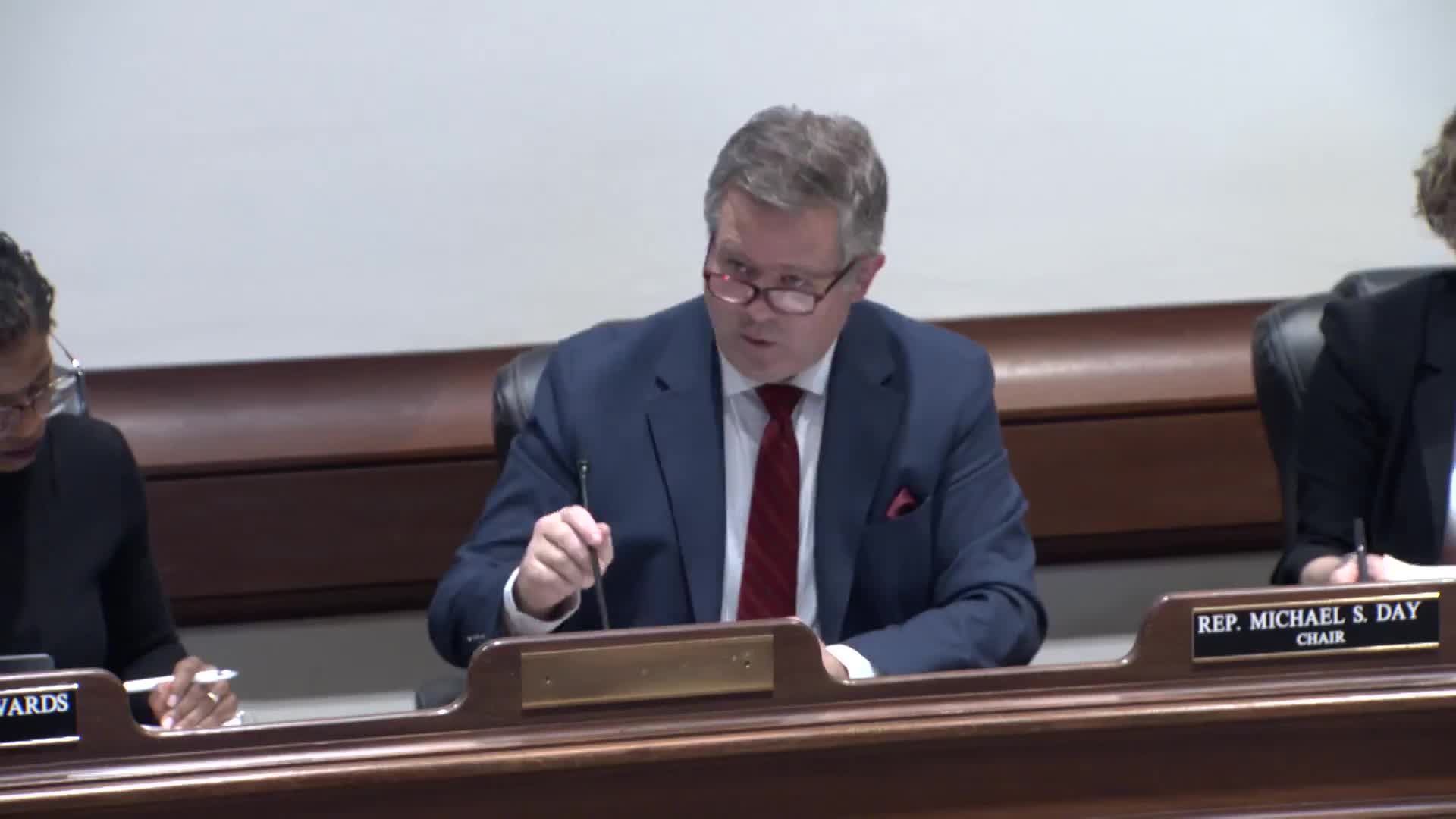
The Joint Committee on the Judiciary heard competing testimony on multiple bills to reform civil asset forfeiture. Witnesses ranged from district attorneys who defended current practices to civil‑liberties organizations, the Boston Bar Association and the Institute for Justice, which urged higher burdens of proof, clearer transparency and restrictions on federal equitable‑sharing arrangements.
Essex County District Attorney Paul Tucker said his office uses forfeiture proceeds for protracted investigations, to fund expert witnesses and to support community programs such as swim lessons and youth sports camps; he said his office has an internal $2,500 threshold for seeking forfeiture and that accounting and reporting to the legislature and EOPS already occurs. By contrast, civil‑liberties witnesses urged changes that would require higher proof standards in forfeiture proceedings, a threshold below which property could not be seized, and stronger public reporting and auditing.
Advocates from the ACLU, the Boston Bar Association and the Institute for Justice urged the committee to adopt recommendations from the 2021 Special Commission to Study Civil Asset Forfeiture Policies and Practices. Proposals discussed included raising the civil standard of proof to preponderance or clear‑and‑convincing; protecting small‑value property from forfeiture; requiring stronger notice and counsel rights for claimants; and sending seized funds to the state general fund so the legislature determines appropriation rather than leaving proceeds with seizing jurisdictions.
Institute for Justice counsel Alastair Whitney urged closing federal equitable‑sharing loopholes that allow local authorities to route cases through federal forfeiture to avoid state limits. Witnesses pointed to county examples where reporting was incomplete and urged comprehensive annual reporting with line‑item detail for seized assets and expenditures.
Speakers asked the committee to incorporate provisions from several bills under consideration, and civil‑liberties groups said they are prepared to work with prosecutors on practical reporting, auditing and threshold language. Committee members thanked witnesses and said staff will continue the drafting process; no formal action occurred at the hearing.