Get Full Government Meeting Transcripts, Videos, & Alerts Forever!
Get email alerts on the Primary Care Financing topic
No spam. Unsubscribe anytime.
Committee hears broad support for ‘Primary Care for You’ plan to double primary care spending and change payments
Summary
Lawmakers and clinicians urged the Joint Committee on Health Care Financing to approve bills that would raise the share of health-care dollars spent on primary care, create prospective monthly payments, and require accountability so new funds reach frontline primary-care practices.
Boston — Lawmakers, physicians and patient advocates told the Joint Committee on Health Care Financing that Massachusetts must increase and reconfigure how it pays for primary care to improve access, health outcomes and long‑term costs.
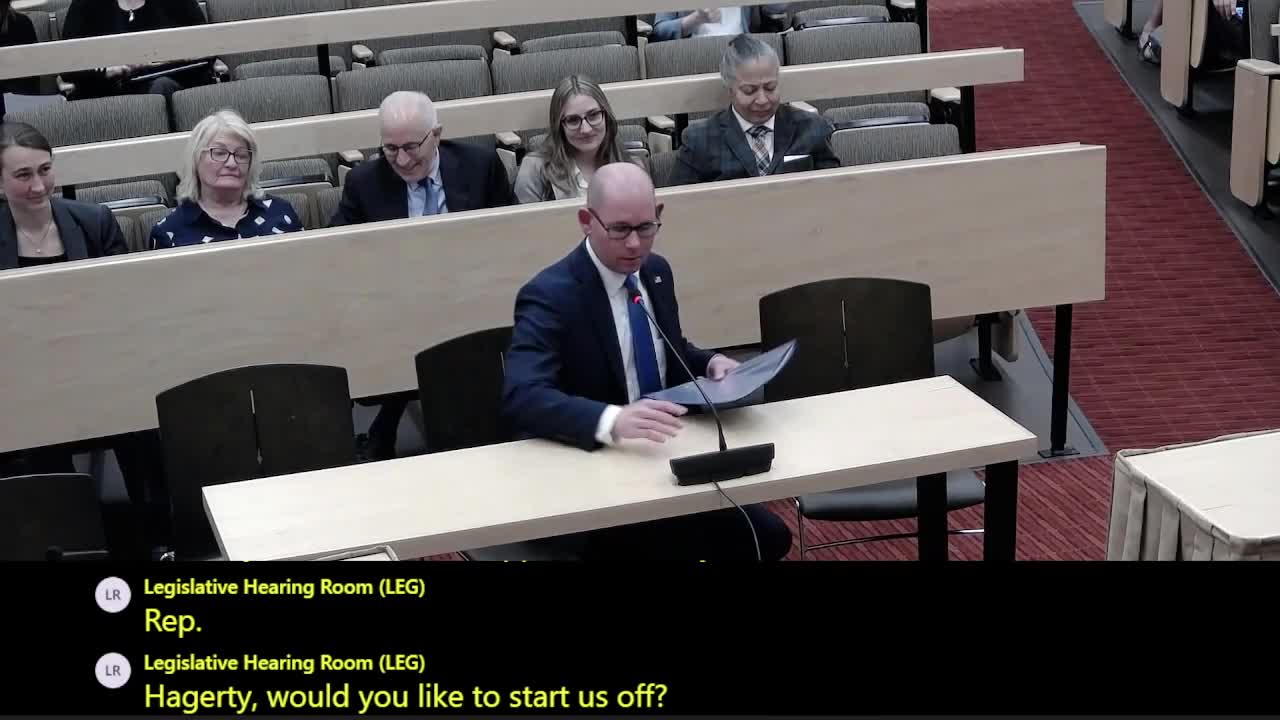
Representative Michael Haggerty, sponsor of House Bill 13 70, framed the legislation as “Primary Care for You,” a proposal to double primary care investment and shift to prospective monthly payments that would support team‑based care and longer visits. “If we invest more in keeping people healthy, we can avoid the much higher cost of treating them when they get sick,” Haggerty told the committee.
Why it matters: Testimony emphasized two trends — access to primary care in Massachusetts has worsened despite large overall health spending, and stronger, stable payments are needed so clinics can hire teams (nurses, behavioral‑health staff, medical assistants and community health workers) and offer same‑ or next‑day care that prevents emergency visits and hospitalizations.
Many speakers described how a prospective, capitated payment paired with quality and access requirements would allow practices to hire the staff and buy the technology needed to deliver proactive, coordinated care. Dr. Sarah Nossel, president‑elect of the American Academy of Family Physicians, said primary care is the only form of care that increases life expectancy and reduces disparities; Dr. Kevin Grumbach, a UCSF family physician and policy expert, called the plan’s stabilization fund an “ingenious” way to ensure new money reaches front‑line practices.
Submitted proposals and oversight: The bills discussed include H 13 70 (Primary Care for You) and S 8 67. They would set primary‑care spending targets (for example, a minimum share of health‑plan expenditures going to primary care), create a regulatory role for the Health Policy Commission and the Division of Insurance to set payment rules and require reporting to show that funds flow to practices. Several witnesses urged tying payments to the adoption of “advanced primary care” services (behavioral‑health integration, care management, pharmacy/medication management) rather than simply increasing fee‑for‑service rates.
Providers’ concerns and clarifications: Insurer testimony (Massachusetts Association of Health Plans) said the policy must keep total health‑care spending within the state’s cost‑growth benchmark and include offsets so employers and consumers are not asked to pay more overall. Health‑plan representatives also warned the policy should recognize existing contractual arrangements between payers and health systems. Multiple physicians and health‑center leaders responded that those contractual realities are why the bill’s stabilization fund — which would pool and distribute primary‑care dollars — is necessary to achieve a tipping point of investment in practices.
Evidence and timing: Witnesses pointed to state and national research showing expanded primary care reduces hospitalizations and improves survival. Emily Doucette, a Tufts medical student, and other trainees said payment reform would influence medical students’ specialty choices. Health‑system and practice projections submitted to the committee estimated the legislation could pay for itself within roughly four years through reduced downstream hospital and emergency costs.
What the committee heard about next steps: Multiple witnesses urged the committee to combine the best elements of the competing bills (spending target, prospective payments, a stabilization fund, and protections for community health centers) and to set clear auditing and reporting rules so the money reaches front‑line clinicians.
Ending note: Clinicians repeatedly returned to the same theme: sustained, prospective funding tied to accountable standards is the practical path to restoring access, recruiting and retaining staff, and reducing avoidable hospital care.