Get Full Government Meeting Transcripts, Videos, & Alerts Forever!
Get email alerts on the Debt Collection Reform topic
No spam. Unsubscribe anytime.
Senator Aldridge, advocates back Debt Collection Fairness Act to curb garnishments and civil arrest warrants
Summary
Senator Julian Eldridge (Sen. Eldridge) and legal-aid groups told the Joint Committee on Financial Services that S.735/H.1275 would tighten consumer protections by raising wage protections, lowering judgment interest rates and prohibiting imprisonment for failure to pay a consumer debt.
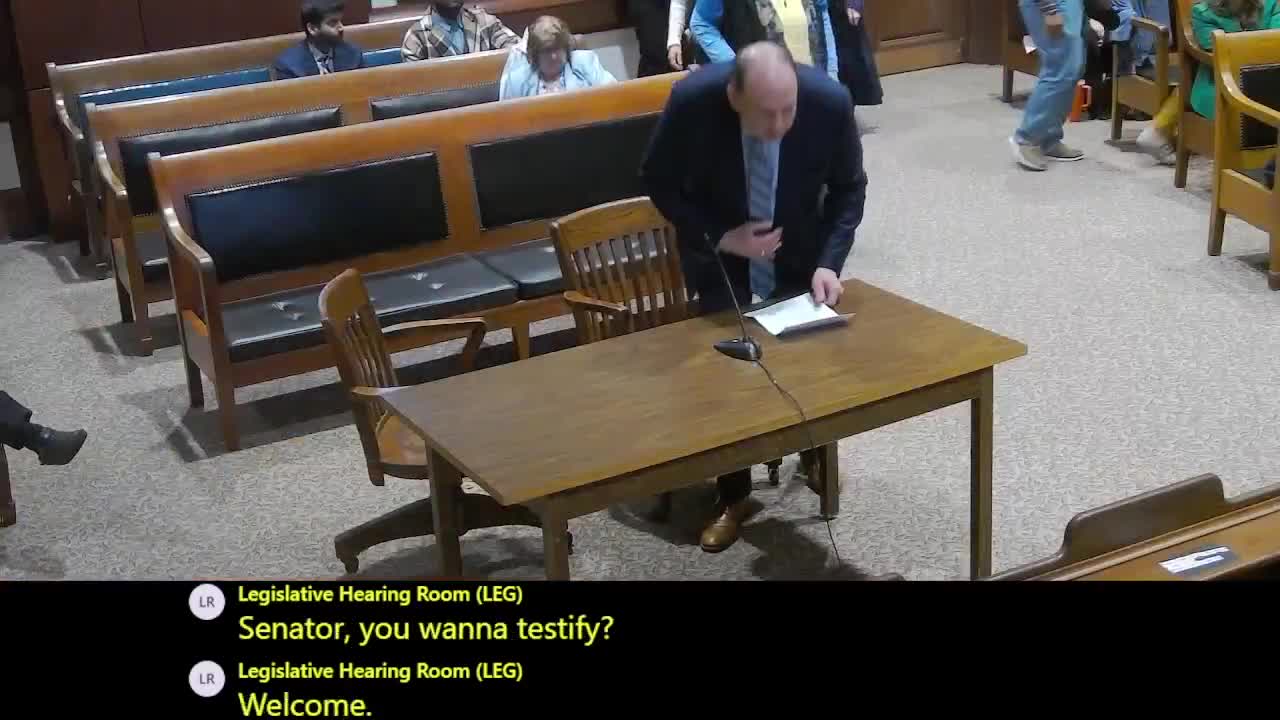
Senator Julian Eldridge told the Joint Committee on Financial Services he filed the Debt Collection Fairness Act (S.735 / H.1275) to update long‑outdated consumer protections and limit harms caused by aggressive debt collection.
"No one in Massachusetts shall be imprisoned for failure to pay a consumer debt," Eldridge said, describing a provision aimed at preventing civil arrest warrants and jail time arising from unpaid consumer obligations.
Eldridge said the bill would also protect a larger share of wages so families can keep food on the table, and would reduce the statutory interest rate on judgments, which he said is among the highest in the country and can make debts grow year to year.
Advocates and attorneys reinforced the need for reform. Todd Kaplan and others who represent consumers in district and small-claims courts described frequent debt-collection filings and the disproportionate effect on low-income households. Kaplan said debt collection cases make up a large share of civil caseloads in Massachusetts courts.
Supporters asked the committee to report the bill out favorably, citing data that small claims courts previously issued civil arrest warrants and anecdotal cases where warrants escalated into detention for failure to appear. The committee did not take a final vote at the hearing.