Get Full Government Meeting Transcripts, Videos, & Alerts Forever!
Get email alerts on the Senior Meals Program topic
No spam. Unsubscribe anytime.
Supporters tell committee universal breakfast and lunch for senior centers would reduce food insecurity and isolation
Summary
Representative Michelle Badger and Plymouth officials backed H4039 to establish free breakfast and lunch at senior centers and centers for active living; testimony cited state studies on senior food insecurity and proposed a new fund fed in part by a 1% surtax on clothing and footwear sales over $175.
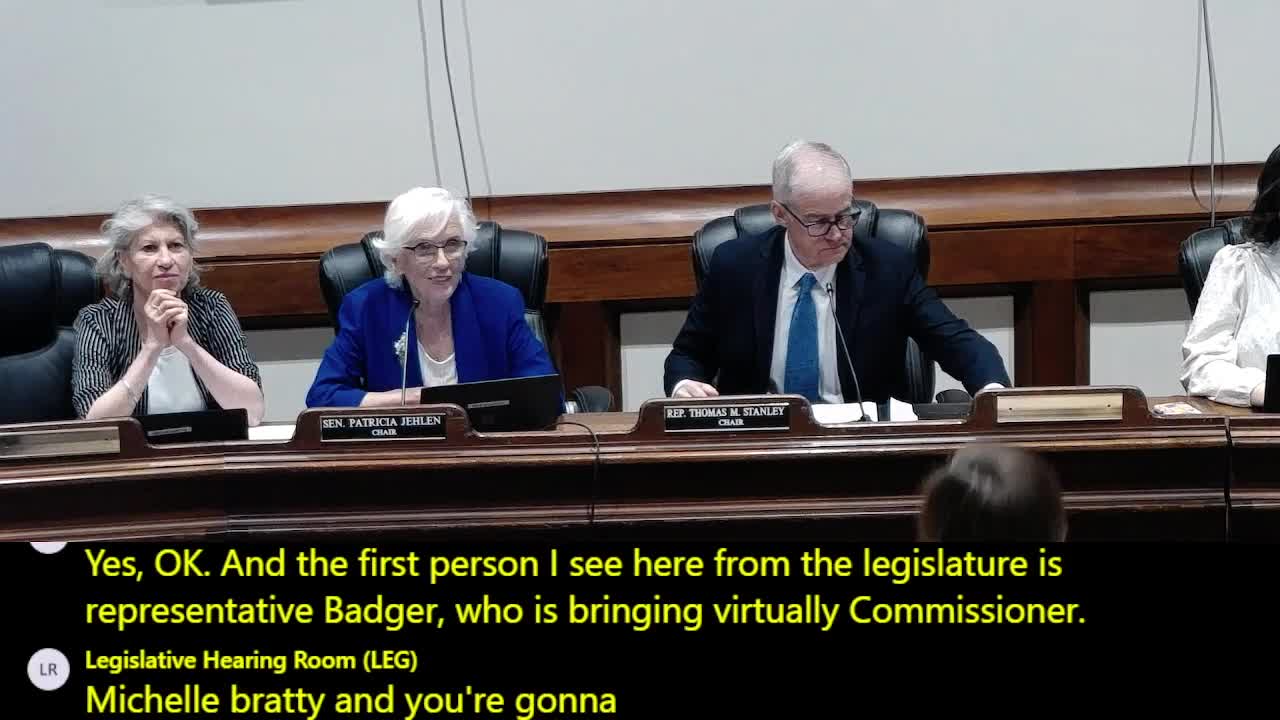
A group of legislators and municipal officials urged the Joint Committee on Elder Affairs to support H4039, which would create a universal breakfast and lunch program at senior centers, centers for active living and councils on aging that have kitchen facilities.
Representative Michelle Badger described the bill as modeled on school lunch programs: she said Massachusetts faces growing food insecurity among older adults and cited a 2024 Greater Boston Food Bank statewide study that found about one in five seniors reported food insecurity. She urged the committee to treat communal meals as both nutrition supports and social engagement that can reduce isolation.
Michelle Bratty, director of health and human services in Plymouth (joined virtually as Michelle Bridal in transcript), testified in support and presented local needs data from a UMass Gerontology Institute assessment: she cited that about 38 percent of Plymouth respondents expressed worry about affording food and that a notable share of older adults live alone and are at risk of isolation. Bratty said commensality — sharing meals — improves nutrition and social connectedness.
Representative Badger and Bratty described the bill’s financing mechanism: a newly created Senior Breakfast and Lunch Fund managed by the Executive Office of Aging and Independence would draw from state appropriations, private contributions, federal grants and a proposed 1% allocation from sales tax revenue on clothing and footwear items priced over $175. Committee members asked about estimates of revenue from that tax source; witnesses said they had back‑of‑envelope figures and would supply more exact estimates later.
Witnesses emphasized the dual aims of reducing food insecurity and combating social isolation through accessible communal meals. No committee action or vote occurred at the hearing; proponents asked for a favorable report and additional revenue details.
Ending: Supporters pledged to provide the committee with revenue estimates and emphasized that center‑based meals pair nutrition with social benefits for isolated older adults.