Get Full Government Meeting Transcripts, Videos, & Alerts Forever!
Get email alerts on the Hospital To Home Program topic
No spam. Unsubscribe anytime.
Advocates urge lawmakers to codify Hospital-to-Home liaison program to keep seniors out of hospitals and nursing homes
Summary
Legislators and providers urged the Joint Committee on Elder Affairs to report favorably on H780 / S495, a bill that would codify the Hospital-to-Home partnership program that embeds Aging Service Access Point (ASAP) liaisons in acute care hospitals.
Legislators and providers urged the Joint Committee on Elder Affairs to report favorably on H780 / S495, a bill that would codify the Hospital-to-Home partnership program that embeds Aging Service Access Point (ASAP) liaisons in acute care hospitals.
Supporters told the committee the liaisons perform bedside warm handoffs, coordinate follow-up care and enroll patients in home-delivered meals, homemaker services, personal care and other supports that can prevent readmissions or nursing-home placement.
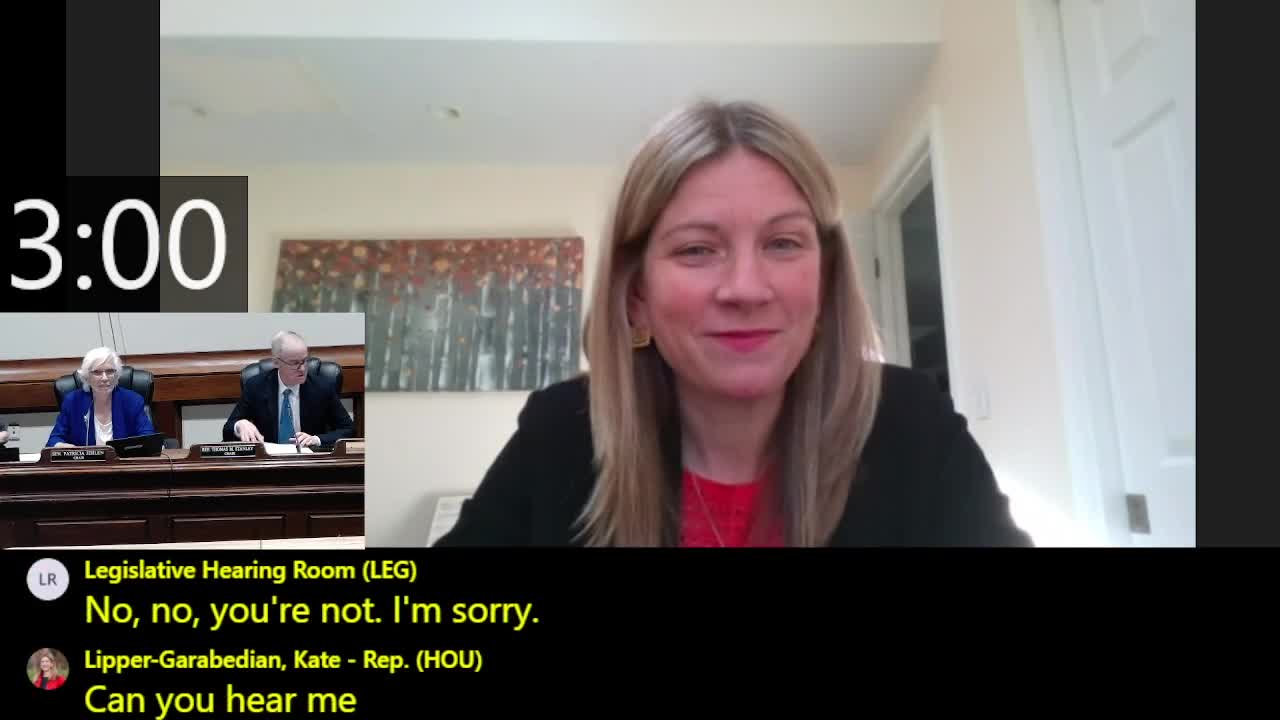
The bill’s sponsor, Representative Liber Garabedian, described the pilot’s expansion and the risk that partnerships will lapse without stable funding. “The legislation before you would not only preserve this progress … it would also formally establish the hospital to home program in all acute care hospitals across Massachusetts,” he said during his remarks.
Mystic Valley Elder Services presented operational results from the pilot, which began in July 2023. CEO Lisa Gorgone said the organization’s teams worked with multiple hospitals and “have seen at least 700 patients through the program.” She said 218 were already connected to ASAP services and an additional 103 were newly enrolled in services after a bedside referral.
Panelists gave case examples to illustrate results and potential savings. Mystic Valley estimated a nine‑day hospital stay plus short nursing‑facility stay for one consumer could cost roughly $36,000; the same person’s first‑month support via the ASAP — fuel oil delivery, laundry, meals and care management — cost the agency about $878. Counselors and liaisons said the program arranged medications, transportation and housing referrals for people who otherwise had no supports at discharge.
Betsy Crimmins, executive director of Mass Aging Access, said the pilot began with $3 million in ARPA grants and has demonstrated both cost savings and reduced pressure on hospitals. “Hospitals are spending more than $400 million unnecessarily every single year for unpaid care to patients as they await discharge to a post‑acute setting,” she told the committee, citing the Mass Hospital Association’s analysis.
Speakers asked the committee to preserve the program by creating a statutory framework and predictable funding so hospitals and ASAPs can sustain embedded liaisons. Committee members asked about statewide data collection and cost estimates; panelists said workgroups and data efforts are underway but some metrics remain in progress.
The hearing record shows broad, bipartisan support from ASAPs, hospital partners and statewide advocates for codifying the pilot and securing funding. The committee did not take a vote during the hearing.
Ending: Supporters asked the committee to report the bills favorably so the program can expand beyond the current grant cycle and continue bedside coordination that connects medically complex older adults to home‑based care.