Get Full Government Meeting Transcripts, Videos, & Alerts Forever!
Get email alerts on the Craft Brewing Reform topic
No spam. Unsubscribe anytime.
Massachusetts brewers press for self‑distribution, contiguous‑premises relief and protections in franchise law
Summary
Massachusetts brewers asked the Joint Committee to amend laws to allow limited self‑distribution for brewpubs, remove a contiguous‑premises requirement, and prevent franchise‑law changes that could lock breweries into wholesaler contracts after a sale.
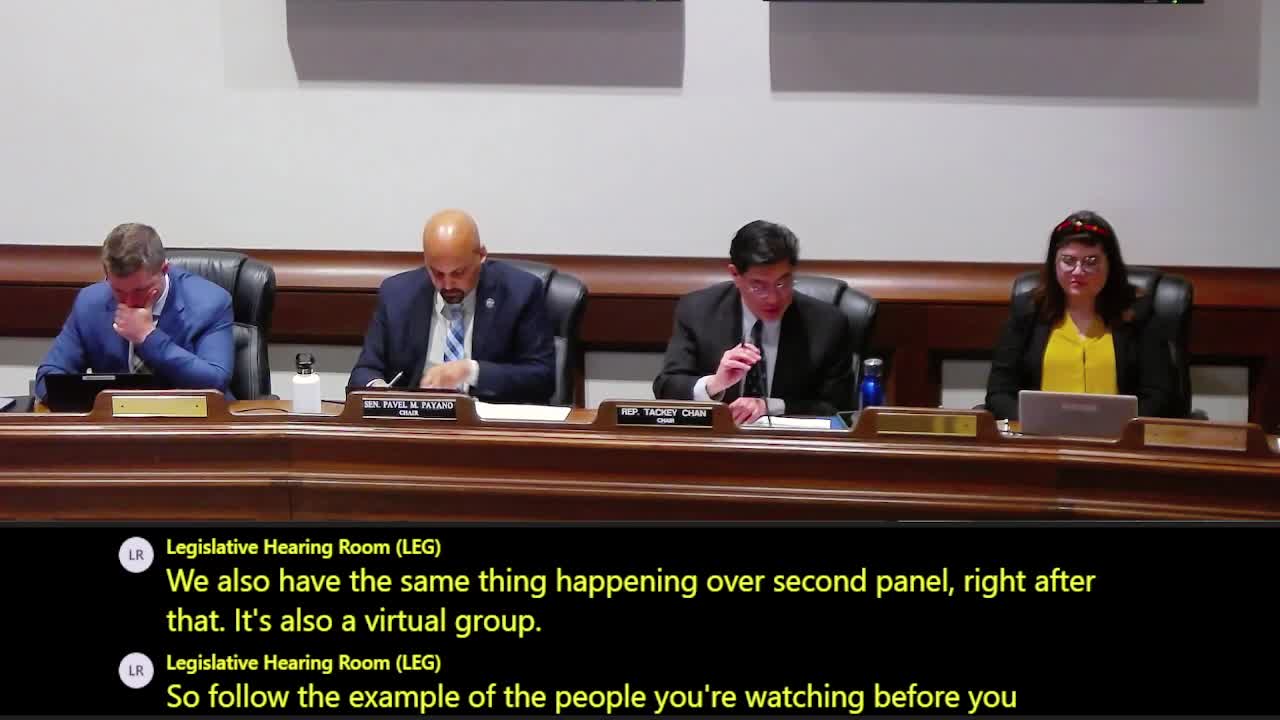
Representatives of more than 230 Massachusetts craft breweries urged the Joint Committee on Consumer Protection and Professional Licensure to advance several reforms they say would help small manufacturers remain viable.
The Mass Brewers Guild told the committee that brewpubs should be allowed to self‑distribute limited quantities of beer and asked that the committee revisit a requirement that on‑premises production and retail areas be contiguous. "Allowing limited self distribution puts brewpubs on a more equal footing with other manufacturers, supports sustainability, and keeps more money in the local economy," Caleb Hilliades, director of brewing operations at Amherst Brewing, said. Hilliades said his group had tentatively agreed on a 50,000‑gallon cap for a proposed limited self‑distribution pilot but was open to negotiating a different limit.
Guild members also urged the committee to resist proposed franchise‑law changes they said would harm small brewers by locking them into wholesaler contracts after a sale. "This proposed legislation weakens the value of breweries and ultimately makes acquisitions and sales harder for small brewers trying to survive in a competitive industry," Sarah Lee of Henler Family Brewing Company and vice president of the Mass Brewers Guild said, referring to bills that would amend successor supplier laws and termination rules.
Guild witnesses described the economic footprint of the sector and the pressures it faces: the guild said Massachusetts craft breweries contribute nearly $2 billion annually and support more than 4,500 jobs; Amherst Brewing said its six restaurant locations employ more than 250 people. Small brewers said removing the contiguous‑premises requirement and allowing modest self‑distribution would reduce costs, traffic and delivery inefficiencies.
Some packaged‑store representatives cautioned that changes that permit vertical integration or expanded self‑distribution could undermine the three‑tier system and hurt independent retailers. Rob Malyon of the Massachusetts Packaged Stores Association said the retail tier has already seen revenue declines and ownership turnover and warned that bills that expand producer or retailer privileges could accelerate store closures.
No committee action was taken on the specific brewery bills during the hearing; the committee closed the session and invited written comments and technical proposals.
Why it matters: The proposed changes affect how small breweries reach customers, how they scale operations and how ownership transitions are valued. Brewers say reforms would support jobs and local commerce; opponents say the changes risk destabilizing retail distribution and competition.
Details from the hearing: Brewpub self‑distribution proposals referenced a negotiable 50,000‑gallon cap and possibilities for limits by distance or quantity. Brewers asked that any change preserve the role of wholesalers while allowing modest direct shipments for local deliveries. Opponents raised concerns about tax, enforcement and market concentration.
Next steps: Committee staff will continue to accept written testimony and stakeholder technical input.