Get Full Government Meeting Transcripts, Videos, & Alerts Forever!
Get email alerts on the Agenda Management topic
No spam. Unsubscribe anytime.
Cypress City Council adopts new rule letting council members place agenda items with a second; 4-1 vote
Summary
The Cypress City Council voted 4-1 to adopt a new policy allowing council members to put items on a future meeting agenda if a colleague seconds the request during a meeting. Supporters said the change increases transparency; critics warned it reduces staff input and could strain city resources.
The Cypress City Council on a 4-1 vote approved a new policy that lets a council member place an item on a future meeting agenda if another council member seconds it during a council meeting.
The change, proposed by Mayor Burke and approved after a substitute motion, removes language that routed many council-originated items through the city manager and shortens the process for adding items to the agenda. Supporters said the measure increases public notice and discussion; opponents said it reduces staff vetting and risks overloading city personnel.
The policy requires a council member to announce the proposed agenda item during a public council meeting, obtain a second from another council member, and then place the matter on a future meeting agenda. Emergency or urgent items can still be handled through existing special- or emergency-meeting procedures, council members said during debate.
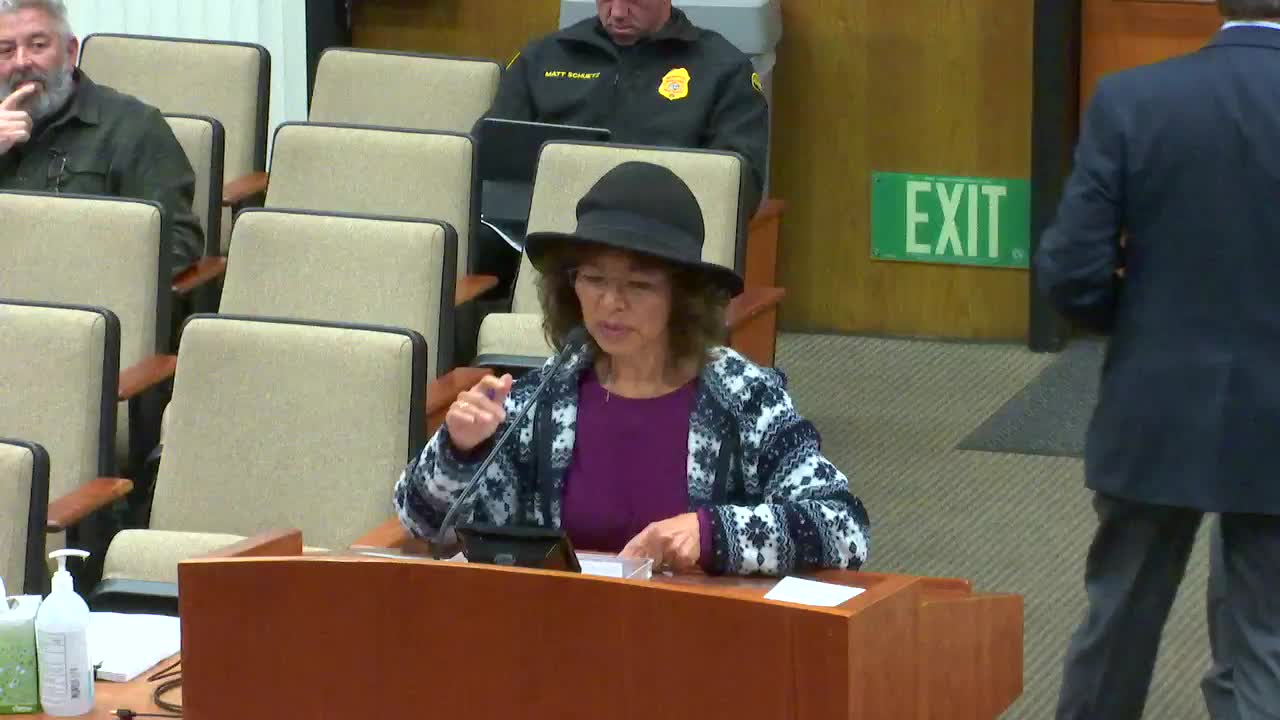
Public commenters were sharply divided. Harumi, a long-term Cypress resident, warned the change would “actually reduce public discussion and participation” by eliminating a second pre-vote deliberation and city-manager involvement. Paul Kekinos and Ed Kramer told the council they supported the mayor’s proposal; Kramer said it “remedies … gatekeeping” and is “concise and brief.” Pearl Bolter and other residents urged preserving staff input; Bolter said reducing staff review could be “a regression, not a progression in city governance.” Bob Youngsma argued the council should reclaim authority from the city manager and said, “You gotta stop giving him all the control.”
On the dais, Council member Pete repeatedly argued the current practice — where an item first becomes a discussion topic and is then agendized for a later meeting — provides time for staff analysis, public notice, and more considered decision-making. Supporters including Mayor Burke said the proposed policy would produce more transparent, public discussion because items would be introduced on the record during council meetings rather than appearing on the agenda with little advance notice.
Council member Menickas said he would support the change but cautioned that it “could evolve into a waste of time and resources” and asked that the policy be revisited if it burdens staff. Mayor Burke said he and staff could refine the approach later if problems arise.
The substitute motion to approve the policy as drafted carried with four “yes” votes and one “no” vote by Council member Pete. Council members and several speakers said the council can modify the policy later if unintended consequences appear.
The council directed the city to implement the new process immediately; staff said emergency exceptions and current calendar requirements for regularly scheduled topics remain unchanged.