Get Full Government Meeting Transcripts, Videos, & Alerts Forever!
Get email alerts on the Elections Poll Workers topic
No spam. Unsubscribe anytime.
Ohio bill would bar employer discipline for poll-worker training and service
Summary
House Bill 180 would prohibit employers from disciplining employees for attending poll-worker training or serving as election officials and would bar requiring use of annual leave for those duties when an employee provides reasonable notice.
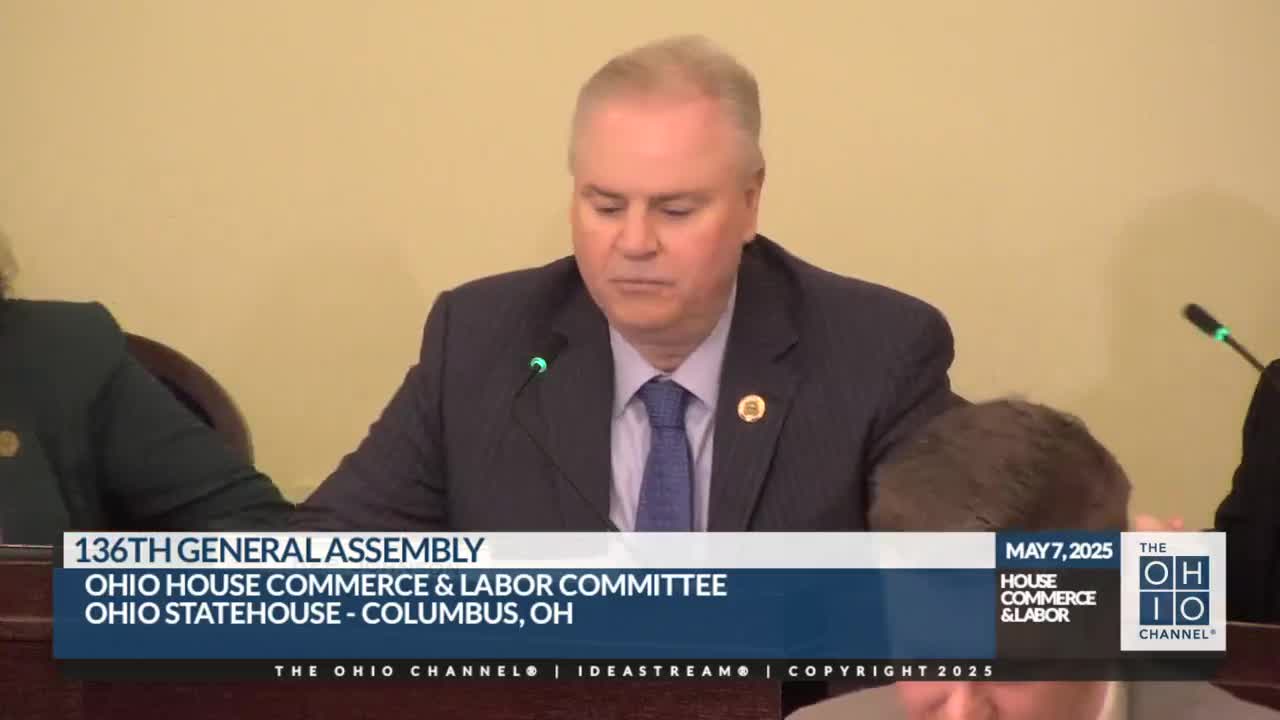
House Bill 180 would prohibit employers from taking disciplinary action against employees who attend training or serve as election officials and would bar employers from requiring use of annual vacation or sick leave to perform those duties if employees provide reasonable notice, sponsors told the House Commerce and Labor Committee.
Sponsor testimony said the bill aims to address a growing shortage of poll workers across Ohio and to encourage younger Ohioans to serve. "This bill will do just that," one sponsor said, arguing the measure will “protect working Ohioans' rights to be civically engaged.”
The sponsors cited national and state turnover data in explaining the need. They told the committee that the Bipartisan Policy Center reported a 39% turnover rate for election officials in 2022 and that a 2020 survey found 74% of election officials were age 50 or older. The sponsors said those trends and an aging workforce have contributed to difficulty recruiting and retaining poll workers.
Committee members focused on how the bill would affect current, largely senior, poll workers. Vice Chair Lear said she had heard from older citizens who may not be able to continue serving because the hours negatively affect retirement schedules and asked whether the sponsors had received similar feedback and whether they would consider amendments to make it easier for seniors to continue serving.
A sponsor replied that they had heard from seniors and relayed suggestions from boards of elections, including splitting long election-day shifts so one worker could serve the morning and another the evening. The sponsor also noted some senior volunteers prefer paper checklists and raised training and wage issues separate from the bill.
Members also asked about the bill’s scope. Representative Brandt asked whether the bill applies to full-time, part-time, state or private employees; a sponsor replied the bill covers all employment and is intended to prevent discrimination for those who want to attend training or work the polls.
The sponsors acknowledged the bill does not address poll worker wages. One sponsor said the legislature should consider expanding pay and training for poll workers in future legislation but that House Bill 180 is focused on removing disciplinary and leave-use barriers.
The hearing included several suggestions and follow-up items but no committee action on the bill during the session. Sponsors concluded by asking for committee support and said they would accept follow-up questions and possible amendments as the process continues.