Get Full Government Meeting Transcripts, Videos, & Alerts Forever!
Get email alerts on the Wetlands Drainage Water Quality topic
No spam. Unsubscribe anytime.
Residents raise water-quality and drainage concerns over Amazon-area wetlands review; county says formal permit review ongoing
Summary
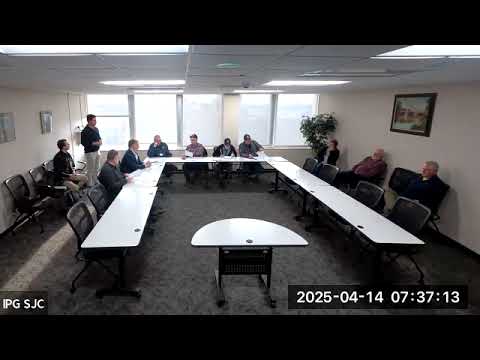
Residents and landowners pressed the St. Joseph County Drainage Board about drainage and water-quality risks tied to a large development proposal near MJ Lane/Rogers Park; county staff said U.S. Army Corps and state reviews are underway and anticipated to conclude in early 2026.
Residents and local landowners pressed the St. Joseph County Drainage Board on water-quality and drainage risks tied to a large proposed development in the MJ Lane/Rogers Park area, saying retention-pond discharges and changes to historic drainage could affect drinking-water supplies and farmland.
Brent Burgess, a resident who identified himself by name and street address during public comments, said retention ponds near the ethanol plant “smell like sewage” and told the board, “That water is going into our ditches. That's one of the people's drinking water.” He and other commenters urged the county to demand accountability from the city and state environmental regulators.
County staff described the status of permitting and environmental review for the project. The county said it has coordinated with the Indiana Department of Transportation on the final turn-lane work and is coordinating wetlands impacts with the U.S. Army Corps of Engineers; staff said the Army Corps review and mitigation process are in progress. The county reported that the Corps’ 90-day public-notice period had just ended and that a public hearing was set for the end of the month in New Carlisle. Staff told the board they expect the formal permit review to proceed through state reviews and mitigation planning with an anticipated permit decision in March or April 2026, subject to mitigation requirements and Corps approvals.
Staff also said the developer and environmental team are leading mitigation planning; the county offered to provide more technical information on mitigation ratios and off-site mitigation credits if the board requested it. County staff repeatedly noted that any impacts to major ditches would need to come back through the drainage board prior to construction.
Residents pressed the board on jurisdictional limits. Board members and staff explained the drainage board’s role is focused on volume and drainage infrastructure to prevent flooding, whereas water-quality enforcement falls to state agencies (IDE M referenced) and, ultimately, federal regulators like the U.S. Environmental Protection Agency. Some residents said they had contacted IDEM and felt state response was politically constrained; others urged the board or county attorney to write letters to IDEM or the EPA. A county official said the county health department and county staff had already contacted IDEM and the EPA and that county staff would follow up and send another letter.
Technical points raised during discussion included the presence of historic tile drains on local farms that outlet to the MJ Lane system (which may affect how wetlands and drainage are managed), the possibility that mitigation ratios could require off-site replacement of wetland acreage (staff said they would obtain specifics), and that some drainage improvements are within the INDOT right-of-way and therefore require coordination with INDOT.
Staff asked residents to report any unauthorized impacts to ditches or wetlands so the county could pursue corrective action; staff said if on-the-ground impacts had already occurred, the county would require the contractor to address them. The county encouraged continued coordination with county staff before any ground-disturbing activity.
The board did not take a regulatory action on the project itself during the meeting; staff said they would provide follow-up materials on mitigation and would continue to coordinate with state and federal reviewers. Residents requested additional follow-up, and a board member said the county would send another letter and report back on outcomes.