Get Full Government Meeting Transcripts, Videos, & Alerts Forever!
Get email alerts on the Public Works topic
No spam. Unsubscribe anytime.
Council gives first reading to updated street-cut ordinance with higher bonds and new repair standards
Summary
On first reading the council advanced an ordinance to repeal and replace the city’s street-cut rules, increasing bond amounts, adding a collector/arterial category, allowing blanket bonds for contractors, requiring insurance certificates, setting minimum excavation sizes, and adding penalties for unmaintained line issues.
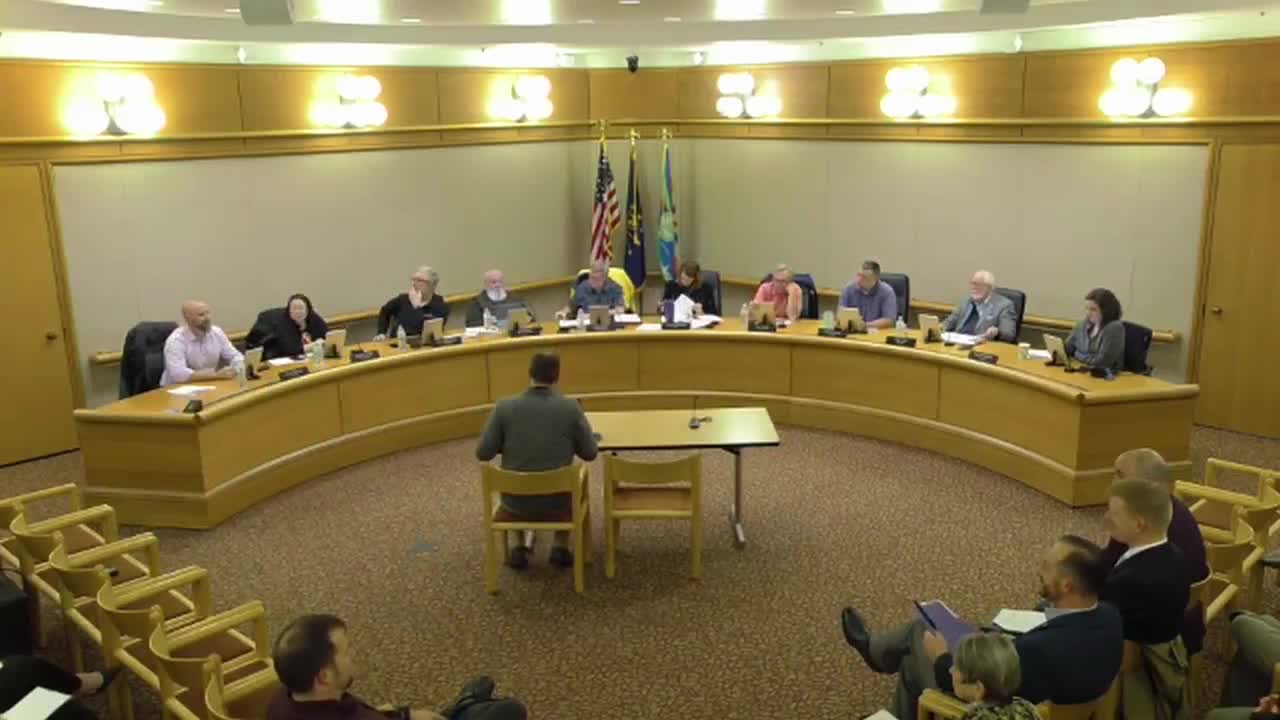
The Columbus City Council on April 15 gave first reading and advanced a repeal-and-replace street-cut ordinance intended to update the city’s 1996 ordinance (amended 2008). Andrew Beckert, presenting the new draft, said the ordinance updates bond amounts, repair standards and enforcement tools to address recurring utility cuts and long-term pavement performance.
Key changes Beckert highlighted include raising bond amounts for different crossing types (perpendicular, parallel and a new collector/arterial category), lowering the size threshold to 25 square feet for higher bond tiers, and creating a blanket-bond option so contractors who make frequent cuts may submit one annual bond rather than multiple bonds per permit. Beckert also said the draft will require contractors to submit a certificate of liability insurance with each permit.
The ordinance creates enforcement for what the presentation called “line pollution” — damage, abandonment or poorly secured materials in the right of way — by permitting the city to send a notice of violation and levy fines if utilities do not clean up issues. The draft also addresses private utility locates: because sewer laterals remain homeowners’ responsibility and are not marked by 811, contractors doing work would be required to locate those laterals when working in the right of way.
For repair standards, the ordinance sets a new minimum excavation size intended to reduce recurring sinkholes from tiny, uncompactable cuts. The minimum cut would be 4 feet by 4 feet, with an additional requirement to extend repairs 5 feet on each side and overlay from curb to lane line so patched areas are integrated into a smooth roadway surface.
Contractors and a utilities representative who spoke publicly expressed support for the changes. The ordinance was advanced on a council motion approving first reading and placement in proper channels; the roll call showed unanimous support for first reading.