Get Full Government Meeting Transcripts, Videos, & Alerts Forever!
Get email alerts on the Labor Relations topic
No spam. Unsubscribe anytime.
House approves yearly reauthorization for payroll union dues; critics say it targets teachers
Summary
The House passed a bill requiring annual reauthorization for automatic payroll deduction of union dues and similar withholdings for many public employees, amid extended debate over impacts on collective bargaining and whether the measure singles out teachers.
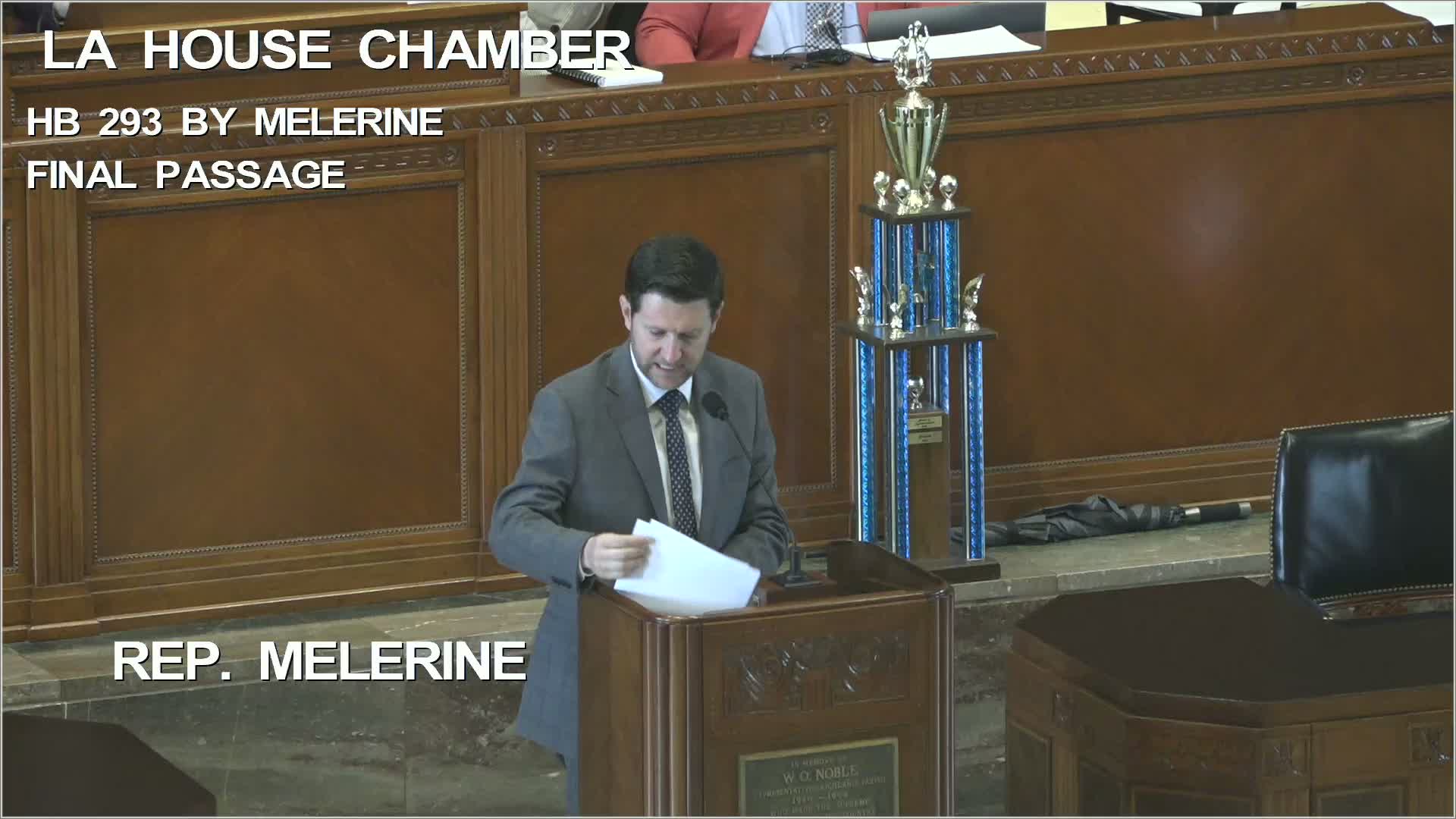
The Louisiana House on May 5 approved House Bill 293, which requires a yearly reauthorization process for automatic payroll deduction of labor-organization dues, fees or similar withholdings for many public employees.
Representative Ray Malloran, sponsor of the bill, said the measure would function like an annual reminder akin to open enrollment: "It's an annual reminder. Think about if you if you have a gym membership or something," he said on the House floor as he described the requirement that employees be given a form prescribed by the attorney general and that employers only deduct dues with a valid authorization.
The bill drew sustained debate and more than one hour of questioning from members concerned about the bill’s effects on collective bargaining, administrative costs and whether the law would disproportionately affect teachers and other lower-paid public employees. Opponents said the bill effectively forces workers to reauthorize dues every year and could undermine future collective bargaining agreements by imposing recurring administrative steps and costs.
Representative Willard warned it could "undermine and potentially put an end to new collective bargaining agreements in the state of Louisiana," if labor organizations had to reauthorize automatic deductions every year. Representative LaVaine and others argued the measure singles out educators and could lead to unequal treatment, pointing to an express exemption in the bill for law enforcement and firefighters.
Sponsor Malloran and other supporters said the policy enhances transparency and gives employees the chance to confirm or opt out of payroll deductions each year. An amendment added in committee requires labor organizations to bear certain administrative costs tied to the process; supporters said that change responded to concerns about unfunded mandates at the local level.
After floor amendments and a contested amendment to remove the law-enforcement/firefighter exemption failed, the House recorded a final passage vote of 59 yeas and 30 nays.
The bill applies prospectively to new collective bargaining agreements and requires written confirmations on forms prescribed by the attorney general. Sponsors said they would work with stakeholders on definitions and implementation details — for example, how employers will notify employees and how the attorney general will prescribe forms — and that they are open to additional statutory clarifications outside the bill.
Critics called it a "union-busting" measure and warned of equal-protection concerns if the law ends up applied unevenly. Supporters said it simply brings payroll deductions into the same transparency processes as other annual employee choices and protects employees from automatic withholdings they might no longer want.
The bill now goes to the Senate for consideration.