Get Full Government Meeting Transcripts, Videos, & Alerts Forever!
Get email alerts on the Education Policy Third Grade Retention topic
No spam. Unsubscribe anytime.
Board hears details on Act 422 third‑grade retention rules, summer interventions and exemptions
Summary
Staff outlined how Louisiana’s Act 422 (2023) affects third‑grade promotion, including testing windows, good‑cause exemptions, required interventions, summer school dates and upcoming dyslexia screening steps.
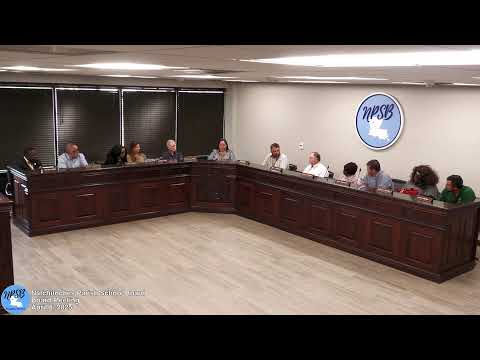
At its April 8 meeting the Natchitoches Parish School Board heard a detailed presentation on Act 422 (2023 Louisiana Legislature), the state law that restricts promotion of third‑grade students who score in the “well below” category on the statewide end‑of‑year literacy screener.
Miss Penrod, a school staff member presenting the item, explained the local process the district is using to notify parents, document good‑cause exemptions, and provide multiple intervention opportunities before retention decisions are finalized. “As y’all can tell by the in‑depth nature of this, it’s more than simply just you fail a test, you don’t get passed on,” Penrod said.
Key points presented
- Screening cadence: Students take the district/state literacy screener three times per year (beginning, middle and end of year). The end‑of‑year window is April 1–30; many third‑grade students will test after spring break. - Notification and documentation: The district has multiple points of contact planned — conferences, letters, local media (the NPJ), district social posts and automated messages — and staff reported they have obtained signed acknowledgements where required. - Good‑cause exemptions: Categories discussed included limited English proficiency enrolled in English language support fewer than two years; students with IEPs or Section 504 plans documenting the screener as inappropriate or certifying two years of intensive intervention; prior retention in K–2 with documented interventions; documented dyslexia (with medical/IEP/504 supporting materials); students demonstrating proficiency on an approved alternative assessment; and students scoring mastery on LEAP (LEAP results arrive later in the year). Staff said they are working with school‑based SBLC teams to prepare exemption documentation where applicable. - Intervention and summer school: Students who remain in the well‑below category after the end‑of‑year assessment will be offered 15 hours of targeted intervention prior to the first retest. The first retest is scheduled for May 16; students who still score well below will be offered an intensive summer program June 2–June 18 with three hours per day of intervention, and they will test again on June 18. Students who pass on retest would be promoted; those who do not pass and do not qualify for an exemption face retention procedures. - Dyslexia screening: State guidance requires a dyslexia screener for students who fail the screener three times and do not qualify for good‑cause exemption. The district said it is awaiting additional state guidance on how that screener will be administered and documented. If students are found to demonstrate dyslexia characteristics, they will be referred to SBLC for further assessment; a confirmed dyslexia diagnosis could change promotion/placement decisions.
Staff emphasized frequent progress monitoring: students are monitored every 10 days in targeted areas and each student has individualized growth goals. The presentation closed with an emphasis on parent communication and documentation to ensure families understand options, interventions and timelines.