Get Full Government Meeting Transcripts, Videos, & Alerts Forever!
Get email alerts on the Tax Increment Financing topic
No spam. Unsubscribe anytime.
South Bend redevelopment office reports $70.8 million in TIF balances; Riverwest named focus for 2024 acquisitions
Summary
City redevelopment staff presented the annual 2024 tax-increment financing (TIF) management report, showing $70.8 million in combined fund balances, increased revenues in 2024 and large property acquisitions in the Riverwest Development Area. Council members asked about expiring districts and possible uses for TIF funds.
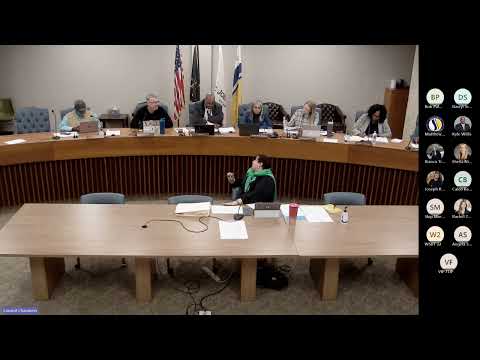
Caleb Bauer, executive director of the City of South Bend’s Community Investment office, presented the 2024 Tax Increment Financing management report to the Common Council on April 14, 2025, detailing fund balances, district performance and tools used by the Redevelopment Commission.
The report showed combined TIF fund balances across South Bend’s economic development areas of $70,800,000 at the end of 2024 and noted total TIF revenue rising from about $40 million in 2023 to roughly $55 million in 2024. Bauer told the council the Riverwest Development Area remains the largest by parcels and footprint and was the primary focus of Commission spending in 2024, including several real-estate acquisitions.
Why it matters: TIF districts capture growth above a base assessed value and let the city reinvest incremental tax dollars in public infrastructure and development projects within the designated areas. These dollars do not fund core city services but are used for streets, utilities, public facilities and development agreements intended to spur further growth.
Bauer summarized how TIF works and the 2024 numbers, telling the council that River East and River East Residential had strong assessed-value growth while Riverwest produced the largest revenues and the Commission “was particularly aggressive” there in 2024. He said the 2024 fund balances reflect strategic spending after reserves accumulated during slower post‑COVID years: “We intentionally spent down some cash reserves that had developed,” he said.
On tools, Bauer described three common ways the Commission spends TIF dollars: budget requests for publicly owned projects; development agreements that provide incentives to private developers subject to clawback provisions; and a project‑based TIF tool that issues bonds backed by future incremental taxes with the developer carrying the risk. “So we’ve used that once in the JC Hart Development Project, and we’re grateful for your support of that,” Bauer said, referring to a previously authorized project‑based TIF.
Council members asked several policy questions. Councilwoman Sharon McBride asked what happens when the West Washington Development Area sunsets this year; Bauer said the last distributions will be received next June and staff is considering absorbing a portion of that footprint into the Riverwest Development Area so a new base assessed value can be set and revenues could be used within that footprint.
Councilwoman Sheila Neskotsky asked whether TIF dollars can support public‑safety costs such as vehicles. Bauer said the city has used TIF to finance fire‑station construction (citing Fire Station 8) and that the state legislature recently clarified that some public‑safety related expenses and salary offsets can be eligible. He noted a pending legislative provision that would require 5% of revenues in new single‑family residential TIF allocation areas to be dedicated to police and fire.
Bauer also walked the council through district inventories and expiration dates, noting, for example, that the Riverwest Development Area (established 1990) contains 7,385 parcels and that some older districts predate the current 30‑year statutory life and therefore have later expiration dates. He said cumulative assessed value across the districts grew from about $1.2 billion in 2019 to just over $1.7 billion in 2024.
The presentation closed after council members pressed for clarifications about clawbacks (Bauer said most development agreements include clawbacks) and whether the Commission expects the same level of acquisitions in 2025 (Bauer said acquisitions should be lower and described only a few smaller neighborhood infill prospects).
Ending: Bauer urged the council to view the TIF funds as instruments to put public dollars back into neighborhoods: “These funds do not fund any core services… the goal… is that we should be spending the money out in the community,” he said. The council reserved further questions for future budget and policy discussions about district consolidation, single‑family allocation areas, and the effects of pending state property‑tax legislation.