Get Full Government Meeting Transcripts, Videos, & Alerts Forever!
Get email alerts on the Lgbtq Public Comment topic
No spam. Unsubscribe anytime.
Public speakers urge council to adopt gender-affirming-care safe-haven resolution; council says no resolution on table tonight
Summary
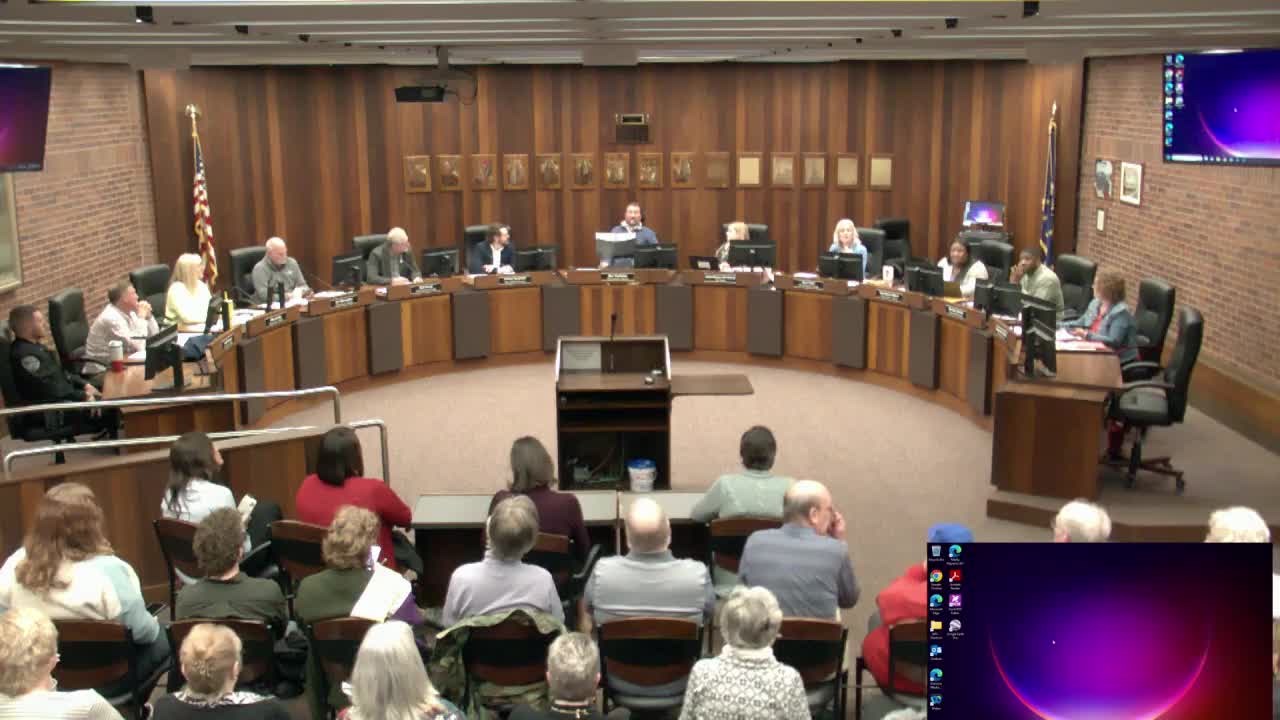
Nineteen members of the public addressed the council about a proposed resolution to declare Evansville a safe haven for gender-affirming care. Speakers included transgender residents, health professionals and opponents; council said no resolution required three sponsors and none had been filed for a vote tonight.
During the public-comment portion of the March 31 Evansville Common Council meeting, 19 individuals addressed the council about a proposed resolution concerning access to gender-affirming health care. The comments reflected a range of views and included personal testimony from transgender residents, caregivers and medical professionals as well as objections from some speakers.
Several speakers — including River City Pride president Dawn Schwendel, transgender residents Liam Douglas, Igor Lawson, Kendall Suhay and Ripley Davis, medical professionals and local advocates — urged the council to adopt a resolution declaring Evansville a safe haven for gender-affirming care. Speakers described gender-affirming care as a spectrum of social, psychological and medical interventions, cited medical associations’ support for such care, and said denial of access increases risks to mental health and suicide among transgender youth and adults. Nurse practitioners and physicians present cited clinical evidence and personal experience that gender-affirming care reduced depression and self-harm.
Other speakers opposed a resolution or expressed concern about permitting certain medical procedures for minors and about use of city authority to adopt such policy; some criticized broader national debates and expressed cultural or religious objections. One speaker asked that the council not proceed even to first reading. The council president and members said there was no resolution on the docket for a vote that evening: a resolution requires three council sponsors and none had been filed. Councilor Allen delivered remarks expressing commitment to safety and support but acknowledged the lack of a resolution before the council that night.
Council leadership set procedural expectations for public comment: speakers were given three minutes each and the council asked for respectful decorum during remarks. No formal council action on a gender-affirming-care resolution occurred during the meeting.