Councilman raises signage and striping confusion at Southeastern and nearby corridor
Summary
Councilman Warpool asked public works to correct a conflicting sign and pavement markings at a Southeastern corridor intersection; the chair said maintenance work falls to public works and is not a capital improvement item.
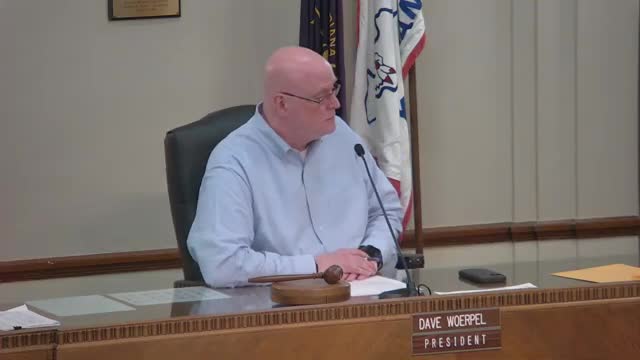
Councilman Warpool raised concerns about conflicting lane signs and pavement markings at a Southeastern corridor intersection during new business at the Hammond Capital Improvement Board meeting on Jan. 21.
Warpool said he had received multiple resident complaints and several 311 reports about a sign east of Southeastern at the A‑100/169 area that conflicts with pavement markings. "There's been a couple of calls on this," Warpool said, noting the sign indicates a left-turn lane while pavement and lane width make the lane's use ambiguous.
Public discussion during the meeting clarified that last summer public works painted a left-turn arrow in the left lane but the existing sign did not reflect that marking. Warpool said he had asked public works to remove both the sign and the left-turn arrow so the lane will show through-left and through-right movements until a permanent striping correction can be done. He also said the location is not wide enough to accommodate separate left, through and right lanes or a left-turn signal. Several residents had reported drivers were confused and some left-turn movements continued through the intersection.
The chair noted this is a maintenance issue rather than a capital project and suggested public works handle the repainting and sign removal as routine maintenance. No formal board action was taken; the item was discussed as new business and will be handled administratively by public works.
The board did not receive public comment on the issue during the meeting's public-expression period.