
Residents urge protections for immigrants, warn of Medicaid cuts and praise Indiana tobacco tax increase during public comment
Get AI-powered insights, summaries, and transcripts
Subscribe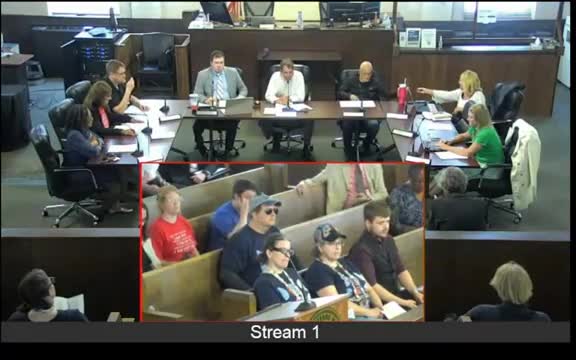
Summary
During the council’s public-comment period, multiple residents and local advocates addressed immigration enforcement concerns, urged federal representatives to protect Medicaid, and praised recent state cigarette-tax increases as public‑health progress.
The council reserved the first 30 minutes of its meeting for public comment, and a range of residents and advocates used the time to press federal, state and local concerns. Speakers addressed immigration enforcement, proposed changes to federal civil‑service rules, Medicaid funding risks, and public‑health measures related to tobacco taxes.
Several speakers criticized recent Immigration and Customs Enforcement (ICE) actions nationally and urged local protections. John Packmeier, who identified himself with Indivisible Wabash Valley, said ICE has “rounded up hundreds of migrants” and alleged extreme actions including rendition; he urged the council to find ways to protect the community. Stacy (Cesia) Hine reported that ICE raids have been reported in Indiana and said she hopes the city would “take steps to protect the right to due process” if ICE conducts actions in Terre Haute.
Speakers also raised concerns about proposed federal changes to civil‑service protections. Anna Vaz, who said she is a federal employee affected by a proposed rule, urged residents to comment on the federal register and said the change would allow political firings of career civil servants, weakening enforcement of workplace, environmental and civil rights protections.
Sister Emily Chkolsti urged the council to meet with federal legislators to oppose large Medicaid cuts in a current congressional bill she said would total about $880,000,000,000. She said in Indiana’s 8th District roughly 211,000 people rely on Medicaid, including about 87,000 children and 20,000 seniors, and argued that administrative work‑reporting requirements would remove eligible people from coverage without improving employment.
Other public comments included praise for the recent $2-per-pack cigarette tax increase and proportional increases on other nicotine products. Shannon Giles, manager for Tobacco Prevention and Cessation for Tobacco Free Vape Free Vigo and Chances and Services for Youth, called the tax increase “the most effective evidence‑based tool we have to prevent youth smoking,” and described local resources available at quitnowindiana.com.
Thrive West Central introduced its new representative, Patrice Dayton, and invited council members to a regional Thrive Housing Summit in September. Several other residents urged local leaders to use their voices with state and federal legislators on the issues raised.
Why it matters: Public comment highlighted matters beyond the council’s direct authority (federal immigration policy, congressional Medicaid proposals, and federal civil‑service rules) but asked the council to use its platform with higher‑level elected officials and to affirm local protections for residents. The tobacco-tax discussion reflected state policy recently enacted by the Indiana legislature and its local public‑health implications.
Outcome: No formal action was taken during the meeting on these topics. Council members acknowledged the comments and some encouraged continued civic engagement and attendance at related local events.