Energy audit finds rising utility costs for Denton ISD; solar, controls and targeted fixes proposed
Loading...
Summary
District energy staff reported large year-over-year electricity cost increases driven primarily by rate changes and noted opportunities from solar, controls upgrades and targeted repairs at high‑usage campuses.
Denton ISD staff reported Tuesday that rising utility rates and several recent rate increases from Denton Municipal Electric contributed to a large jump in district electricity costs and outlined no‑cost, low‑cost and capital measures aimed at reducing future utility spending.
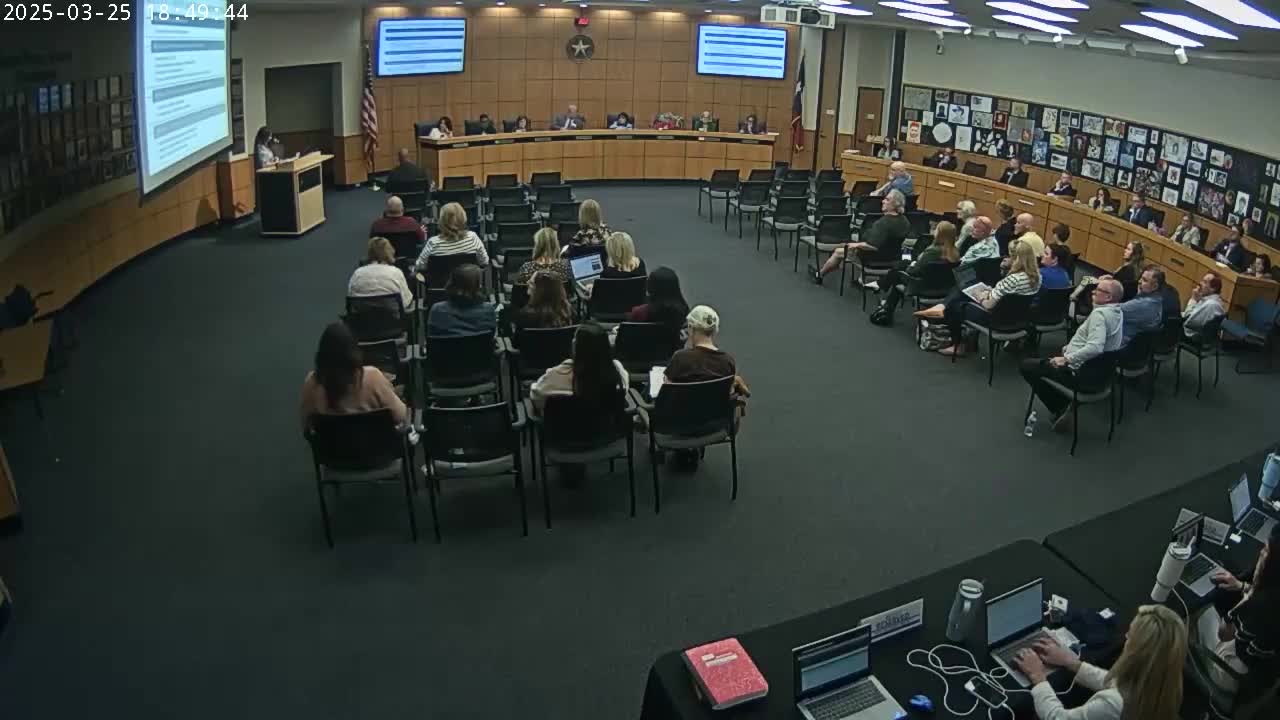
Paul, a district facilities and energy staff member, opened the presentation by noting the audit covers the first half of fiscal 2024–25 (July–December). “The presentation tonight is focused strictly on the first part of fiscal year 2425, which is July ’24 through December,” he said.
District staff told trustees the six‑month electricity cost increase versus the same period a year earlier was about $787,000; extrapolated annually that figure would be about double. Staff attributed the bulk of the change to utility rate increases and to structural shifts in the regional power mix, including a higher share of wind and solar and increased costs to move power. The presentation also listed three rate increases by Denton Municipal Electric in 2024 with an estimated annual impact of roughly $1,150,000 on the district’s electric bill.
Auditors and facilities staff reviewed specific campuses with above‑average consumption per square foot. Hawk Elementary was called out for problems with a lighting control system and aging HVAC components; staff said funding for replacements is in the district’s future budgeting and bond planning. Staff also noted potable‑water spikes at Blanton related to construction‑related leaks and said irrigation use will decline at some sites after turf replacements.
The district reported progress on solar installations at three campuses and said the construction department is pursuing grant funding that could help pay for additional solar on existing sites. Staff also said most new school designs include solar capacity (about 60% design target on newer campuses) but that data from those installations are not yet available.
Staff described an implementation approach that prioritizes no‑cost and low‑cost measures at pilot campuses and then replicates successful actions at similar schools. The next planned study is a site visit and event‑period review at C. H. Collins, a high‑utility campus, where staff will evaluate operational changes for both event and non‑event conditions.
Why it matters: rising utility costs are a recurring expense in the district’s operating budget. Staff said targeted repairs and energy‑efficiency projects can reduce future operating pressure, but large rate changes from utilities remain a significant budget risk.
Trustee questions focused on how much of the reported cost increase is due to new campuses versus rate change; staff said rate increases are the dominant factor and agreed to provide a per‑square‑foot change analysis at a future meeting.