Get Full Government Meeting Transcripts, Videos, & Alerts Forever!
Get email alerts on the Aging Policy topic
No spam. Unsubscribe anytime.
Pikes Peak Commission on Aging briefs council on statewide plan, urges local engagement and volunteer support
Summary
A Pikes Peak Commission on Aging commissioner and staff outlined the commission’s role, the statewide multi-sector aging plan and local needs, and asked council to use the commission as a resource on age‑friendly policy and services.
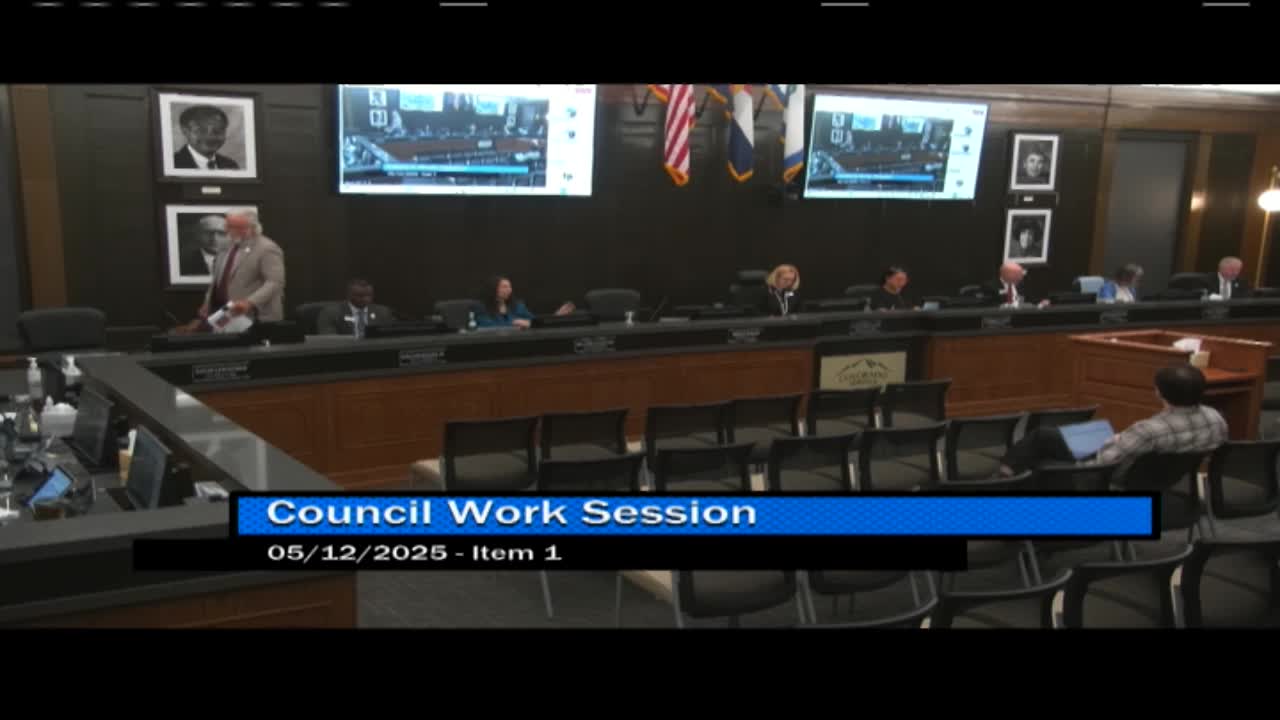
At the Colorado Springs City Council work session on May 12, 2025, Erin Marisela, a commissioner on the Colorado Commission on Aging and member of the Pikes Peak Commission on Aging, told council members the commission aims to help shape local policy so residents can “grow up and grow older” in the region.
Marisela framed the commission’s mission broadly: “When we talk about aging, we're talking about birth to death,” she said, explaining that the commission looks at workforce, housing, transportation and health care in order to recommend policies that support aging well across the life course.
Her presentation described three linked bodies working on aging policy: the Colorado Commission on Aging (a governor-appointed body), the regional Pikes Peak Commission on Aging and the Colorado Center for Aging, an educational nonprofit. Marisela said the Colorado Commission on Aging is reorganizing its subcommittees and preparing a multi‑sector plan on aging that will be released in July; local input sessions were scheduled for the week following the work session. She encouraged council members and staff to participate and use the commission as a local resource.
Jody Barker, director of the Area Agency on Aging in the Pikes Peak region, clarified representation and scale: “There are total of 20 members of PPACG board, 13, one from each municipality,” Barker said, noting that the local Pikes Peak Area Council of Governments and municipalities appoint members to the regional boards that advise on aging issues.
Marisela told the council that locally the region is losing paid staff who provide direct services for older adults and that volunteers on the commission increasingly fill gaps. She urged council members to consider “aging‑in‑all‑policy” approaches — ensuring transportation, broadband and housing policies account for older adults’ needs — and to partner with academic institutions such as the University of Colorado Colorado Springs for research and data support. Marisela also noted that an Innovations in Aging program that helped secure AARP age‑friendly designation in previous years has paused, and volunteers are rebuilding that local effort.
Why it matters: Council members asked about appointments and scope because aging policy intersects with city planning, transportation and health services. Marisela said the Colorado Commission on Aging appointments are made by the governor, while local municipal bodies appoint members to the Pikes Peak Commission on Aging. She offered to connect council members to state resources and encouraged attendance at a community session on the statewide plan.
Marisela closed by asking council to engage with the commission on legislative priorities and local project work, and to consider the commission as a volunteer resource for shaping city policies that affect older residents.