Get Full Government Meeting Transcripts, Videos, & Alerts Forever!
Get email alerts on the Hearing Procedure Rule Change topic
No spam. Unsubscribe anytime.
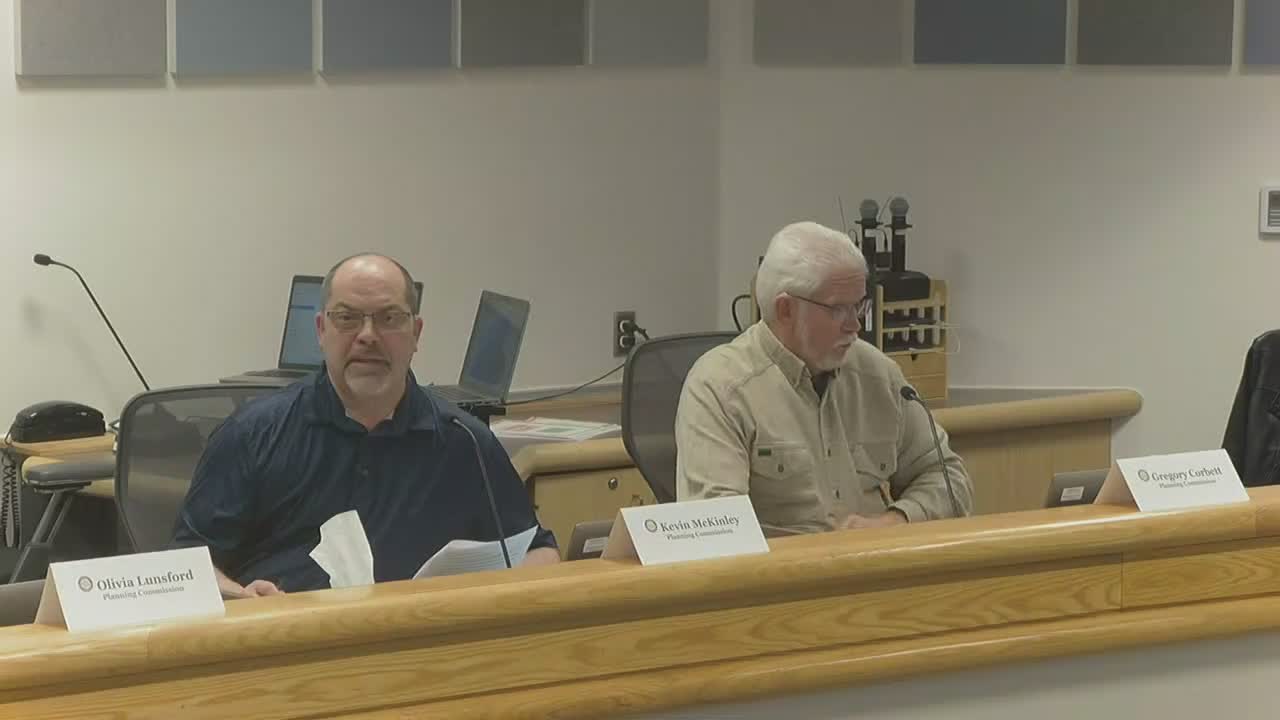
Planning Commission rejects rule to allow telephonic testimony for late, extraordinary circumstances
Summary
After extended debate about access and potential delay tactics, the Fairbanks North Star Borough Planning Commission voted 5–6 to reject a proposed Rule 30 that would allow telephonic or affidavit testimony submitted after existing deadlines for extraordinary circumstances.
The Fairbanks North Star Borough Planning Commission debated and then rejected a proposed rule on May 13 that would let parties or witnesses participate telephonically or by affidavit when a request arrives after the standard deadlines "due to circumstances beyond the party or witness's control."
Supporters said the change would increase public access for genuinely unforeseen reasons such as sudden illness; opponents warned it could be used to delay quasi‑judicial hearings and complicate due‑process pathways.
A staff member read the proposed language into the record: "Notwithstanding the time limits in rules 26 and 27, if a request for participation telephonically or affidavit is not submitted in a timely manner, and the request is due to circumstances beyond the party or witness's control ... participation telephonically is allowable only by agreement of the parties. If the parties do not agree, the matter will be postponed to the next available meeting date." The clerk's office would notify parties and the commission, the proposed rule said.
Borough legal staff explained how the provision would work with existing rules: the chair has discretion to determine whether telephonic testimony is appropriate, and the clerk would solicit objections from other parties before the chair made a final determination. A borough attorney said the language was intended to cure timing problems without exposing the commission to appeal because opposing parties would have an opportunity to object.
Commissioners voiced a mix of views. Some supported the change as an accessibility measure; others worried it would allow repeated postponements. One commissioner said that, while the rule intended to remedy last‑minute emergencies such as illness, "if the parties don't agree, it could be postponed to the next meeting" and risk becoming a tool for delay.
A motion to adopt Rule 30 ("extraordinary circumstances") was moved and put to roll call. The vote was: Muelling — yes; Corbett — yes; Collier — no; Fisher — no; Rodriguez — yes; Ringstad — yes; Stepovich — no; Campbell — no; Smart — yes; Lunsford — no; McKinley — no. The motion failed, 5–6.
Commissioners and staff indicated they may revise language or address the same goals by updating the existing rules (25–27) and clarified that the chair retains authority over telephonic participation requests under current rules.