Get Full Government Meeting Transcripts, Videos, & Alerts Forever!
Get email alerts on the Building Code Adoption topic
No spam. Unsubscribe anytime.
Lawrence board lays out schedule to adopt 2024 building codes; staff to share drafts with trades
Summary
At a May 2025 meeting, the Lawrence Building Code Board of Appeals received a status update on adopting the 2024 model codes, a timeline aimed at early 2026 hearings and a plan to share draft ordinances and engage stakeholders during staff review.
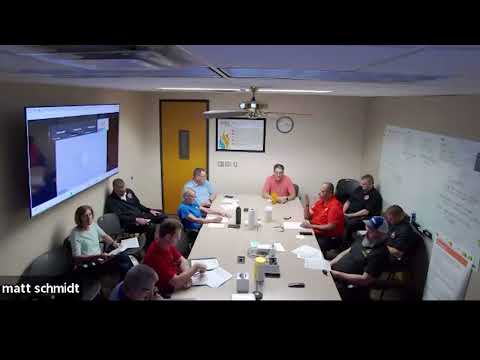
The Lawrence Building Code Board of Appeals on May 2025 received a status report on the city's effort to adopt the 2024 model building codes and heard a pledge from staff to circulate ordinance drafts to board members and trade stakeholders as they are completed.
The progress update was led by Matt Schmidt, deputy code official, who said the board's staff has already completed several ordinance drafts. "Articles 11, 12, and 16 was done in early February," Schmidt said, describing work that includes demolition and unsafe-structure language, bylaws and several trade-specific code sections.
Why this matters: the 2024 code adoption will change local requirements for plumbing, mechanical systems, electrical work, energy conservation and fire and life-safety regulations. Board members and contractors told staff they want early access to drafts so trade groups can review proposed changes before the package reaches the City Commission.
Most-read details: staff told the board that ordinances for demolition of unsafe structures and bylaws are complete and that plumbing, fuel gas and mechanical draft ordinances are in final internal review. Sign code and pool/spa rules are finished; electrical revisions are scheduled next. Staff said they plan to "repeal and replace all these ordinances when we go to the commission in the next, you know, six, seven months or so," and will circulate draft language to the applicable board member(s) as those drafts finish internal review.
Board members discussed how the city will manage the review workload and public outreach. Staff proposed regular checkpoints and asked board members to send their comments through staff leads so the team can consolidate input. The board agreed to meet roughly every two months (about six to eight weeks) during the code-adoption process.
During public comment, Bobby Florie of the Lawrence Home Builders Association urged earlier, ongoing stakeholder engagement rather than leaving review until the end. "It seems like they should be engaged throughout the process," Florie said. Schmidt replied that the city will coordinate with its communications team and with trade organizations to provide drafts and outreach materials as the drafts become more developed.
Staff also warned board members about state open-meeting rules and email protocols. An assistant city official reminded the group that a quorum for the board is six members and cautioned against serial communications that could trigger the Kansas Open Meetings Act requirements.
The board approved the minutes from its previous meeting by motion. No ordinance adoptions or formal code changes were voted on at the session; the meeting focused on scheduling, draft circulation, and stakeholder outreach.
What comes next: staff said they expect to route finalized draft ordinances through the board's review this summer, present packages to the City Commission in the first quarter of 2026 if timing holds, and target an effective date of July 1, 2026, subject to the commission's schedule and any further changes. Board members and staff encouraged stakeholders who want changes to submit suggested amendments to staff early so concerns can be addressed before final commission hearings.