Get Full Government Meeting Transcripts, Videos, & Alerts Forever!
Get email alerts on the Childcare topic
No spam. Unsubscribe anytime.
La Crosse reports drop in empty licensed child-care slots to 86; city-funded grants and programs expanded
Summary
City-funded childcare project manager reported that empty regulated childcare slots in La Crosse fell from 200 in 2023 to 86 in January 2025 and reviewed ARPA-funded programs—start-up grants, back-to-capacity grants, a $100,000 facility-retention round, mentorships, an employer-supported pilot, and upcoming appreciation and training events.
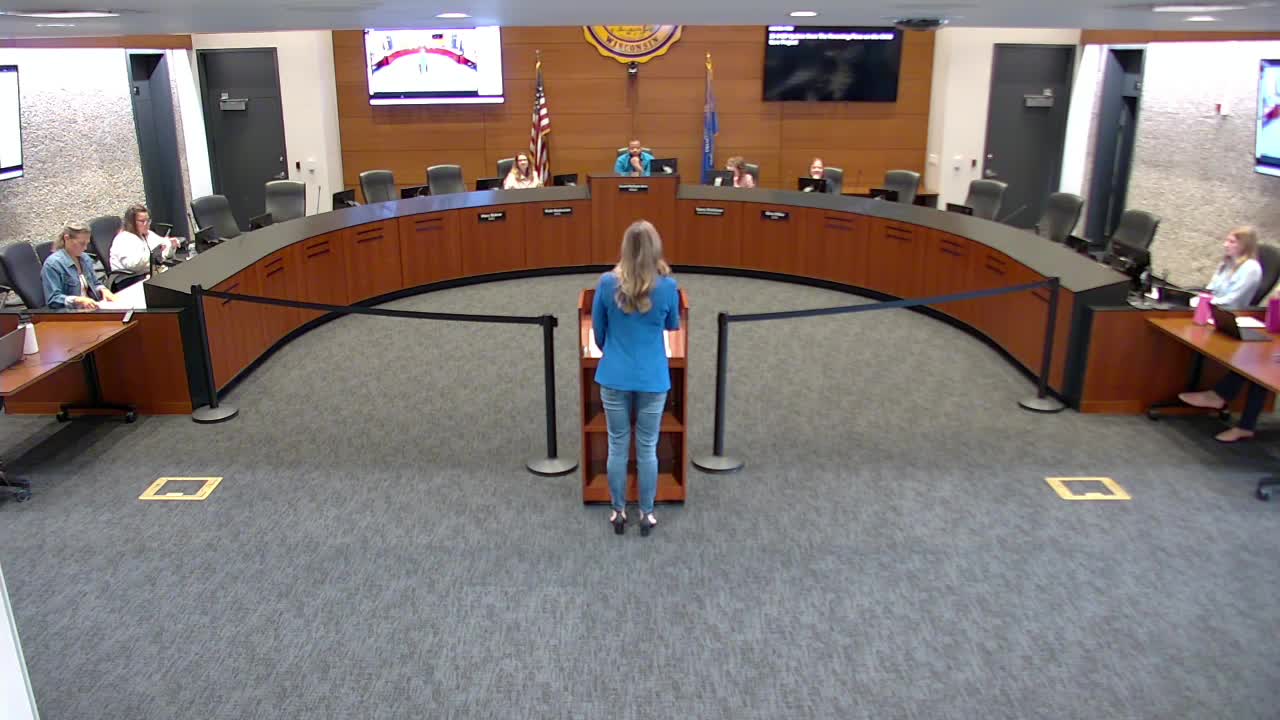
Michelle, the project lead for the city’s ARPA-funded childcare initiative administered through the Parenting Place, told the commission on April 23 that the number of empty regulated childcare classroom slots in La Crosse fell to 86 in January 2025, down from 200 in 2023 and 136 in 2024.
The reduction, Michelle said, coincides with several programs funded through the American Rescue Plan Act (ARPA) that the city has been administering to stabilize and expand licensed childcare capacity. “I think a large part of it comes from the back to capacity grants that we have been utilized,” Michelle said, describing how grants were used to help programs hire or reclassify staff so closed classrooms could reopen.
The childcare provider survey the project has administered annually since January 2023 also found that 91% of group childcare centers and 36% of family childcare programs raised tuition last year by an average of 8%, and that 45% of programs were already considering tuition increases in 2025. The survey continued to list staffing—driven by low wages, limited benefits and scarce operating funds—as the top barrier to capacity and sustainability.
Michelle summarized the ARPA-funded initiatives now underway:
- Childcare start-up grants: assistance for individuals pursuing regulated family childcare licensing; the project reported recent certifications and continued interest from prospective family providers.
- Back-to-capacity grants: distributed in three rounds to regulated childcare centers to support hiring and moving assistant-qualified staff into teacher-qualified roles. Round 3, distributed in November, totaled $10,500 to five centers and produced 37 reopened slots. Earlier rounds returned 74 slots (round 1) and 25 slots (round 2); Michelle said the three rounds together reopened 136 previously unavailable slots.
- Childcare facility retention grants: a recent round distributed about $100,000 to 25 regulated programs for facility upgrades and materials to help meet licensing and operate more sustainably. Examples included washers/dryers, updated outdoor equipment, technology upgrades and kitchen appliances to meet CACFP guidelines.
- Mentorship program: piloted with child-care directors and family providers last year and expanded this year to include teacher–assistant teacher mentorship pairs, with plans to add more pairs over the summer.
- Together We Can: an employer-supported childcare pilot designed to connect local employers with existing providers so employers can offer childcare benefits. Michelle said one large local employer is already in contract with a local childcare program and several other employers have expressed interest.
Michelle also reminded the commission of two upcoming provider events: the Child Care Appreciation event on Thursday, May 8 at the Nature Place, and a full-day Childcare Empowerment Conference for providers on Monday, May 12 focused on resiliency and professional development.
When a commissioner asked whether the drop in empty slots might reflect families leaving wait lists rather than true capacity gains, Michelle emphasized the role of the back-to-capacity grants in enabling centers to hire and reopen classrooms: “When we can use this funding to intentionally direct this money to child care programs… it’s helping to open those classrooms.”
The commission did not take a vote on funding changes during the update; Michelle opened the floor to questions and then concluded the presentation.