Get Full Government Meeting Transcripts, Videos, & Alerts Forever!
Watchung Hills budget projects 3.7% operating increase as special-education costs surge; board weighs cuts including late bus
Summary
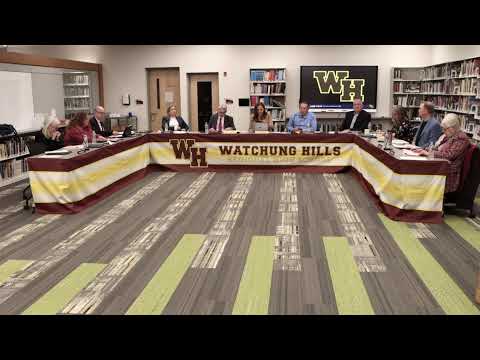
Watchung Hills Regional High School District administrators on the budget preview warned that rising out-of-district special-education tuition and transportation costs have driven the district’s projected 2025–26 operating increase to about 3.7%, and they outlined proposed cuts and use of reserves intended to hold the tax levy to 4.1% using allowable waivers.
Watchung Hills Regional High School District administrators on the budget preview warned that rising out-of-district special-education tuition and transportation costs have driven the district’s projected 2025–26 operating increase to about 3.7%, and they outlined proposed cuts and use of reserves intended to hold the tax levy to 4.1% using allowable waivers.
Superintendent Elizabeth Jewett said the draft includes technology and academic investments she called “essential,” including an ongoing classroom furniture refresh, Chromebooks for the 1:1 program and upgrades to the TV production studio. “We really do consider these essential,” Jewett said during the board presentation.
The main pressure on the budget, administrators and board members said, is special-education tuition and related transportation. Business administrator Timothy Stice told the board that out-of-district tuition and transportation rose from roughly $4.2 million in 2023–24 to an anticipated $5.3 million in 2025–26 — “over $1,000,000 over where we were just 2 years ago,” he said, and described that increase as “really tough to get past.”
Stice said state categorical aid for security and special education rose modestly, and that the district received a roughly flat debt-service aid tied to a 2013 referendum. Stice also reported that the district typically receives additional special-education reimbursement through an application-based “extraordinary aid” process and raised his conservative estimate for that reimbursement by $100,000, bringing his extraordinary-aid projection to $300,000 for planning purposes.
To limit the tax impact, Stice proposed a mix of one-time reserve use and spending reductions. He said the district can use…
Already have an account? Log in
Subscribe to keep reading
Unlock the rest of this article — and every article on Citizen Portal.
- Unlimited articles
- AI-powered breakdowns of topics, speakers, decisions, and budgets
- Instant alerts when your location has a new meeting
- Follow topics and more locations
- 1,000 AI Insights / month, plus AI Chat