Get Full Government Meeting Transcripts, Videos, & Alerts Forever!
Get email alerts on the Budget topic
No spam. Unsubscribe anytime.
Watchung Hills preliminary budget: 3.7% operating increase, 4.1% tax‑levy impact; capital projects funded from reserves
Summary
District administrators presented a preliminary 2025 budget that relies on reserves for several capital projects, includes $6.7 million ESIP work and technology investments, and carries a 4.1% regional tax levy impact. The board must file the preliminary budget with the county tomorrow; a public hearing is scheduled for April 29.
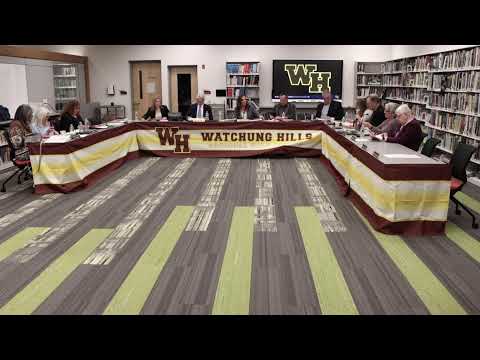
The Watchung Hills Regional High School District heard a preliminary budget presentation that shows a 3.7% increase in operating expenditures and a 4.1% increase to the regional tax levy, district Business Administrator Mr. Stice told the board. "The board needs to vote on the preliminary budget, which is submitted to the county office tomorrow. That is the due date, statutory due date," Mr. Stice said.
Administrators said they are using capital and maintenance reserves to cover several high‑priority capital projects so those costs do not add to the tax levy. The presentation named a $6.7 million ESIP (energy savings improvement project) that included 14 high‑efficiency rooftop units, LED lighting conversions and other energy measures; administrators said those projects were financed in part through a lease included in the budget. "We used our own capital reserves, our own surplus," Mr. Stice said, describing a funding approach the district has used for recent referenda projects.
Superintendent Dr. Jewett emphasized the tradeoffs behind the budget choices and highlighted student programs supported by district spending. "This Board does an outstanding job of providing exceptional opportunities for our students and doing it in a very responsible way to the taxpayers," Dr. Jewett said.
Key figures and proposed changes reported by administrators: - Operating budget increase: 3.7% (presented as the change from the prior year). - Regional tax levy impact: 4.1% (administrators said the levy reflects use of waivers discussed previously). - Staff reductions and cuts: 3.2 full‑time positions (approximately $350,000) and a 5% reduction in supplies were included as budget reductions. - Technology and capital priorities: Chromebook replacement (4–5 year cycle), TV studio upgrade, additional network access points, marching band instruments, security cameras, phase‑1 office phone replacement, HVAC condensate tank replacement in the South Building, fume hood repairs for science rooms, and routine door replacements. - Energy project results (three‑year snapshot presented): reported electric usage dropped from 2,800,000 kWh at an estimated cost of $355,000 (July 2022–Feb 2023 baseline) to 1,344,000 kWh at $168,000 in the most recent comparable period; administrators said utility rebates of about $500,000 had been received to date.
Administrators also described enrollment and allocation mechanics: total enrollment is nearly flat (down by about 20 students), and the state Department of Education tax‑allocation formula — which uses house valuations and elementary enrollment in the three sending towns — determines each town’s share of the regional tax burden. A public hearing on the budget was scheduled for April 29, and staff said the county has roughly a month to act after the preliminary submission.
Board members asked specific follow‑up questions during a discussion period. One board member asked whether funds budgeted in Schedule D (co‑curricular and sports positions) could be reallocated to late buses if some positions go unfilled; Mr. Stice replied that budget line items are allocated to positions and, if positions go unfilled, the board can pivot those funds to other uses. On the ESIP and solar lease, a board member asked whether the lease payments were offset by energy savings; administrators said the lease covers multiple pieces of the project and that the payments are expected to be offset over time by electricity savings, gas/water savings and rebates, but full‑year data are needed for a definitive analysis.
The presentation identified difficult tradeoffs the district took to keep the levy from rising further: use of reserves for capital, personnel reductions, deferred purchases (digital records platform removed from this budget), and tighter transportation costs (reduced late buses and fewer or fuller field‑trip buses). Administrators cautioned the board that projected extraordinary aid (state aid) was estimated at $100,000 and that any shortfall in expected state revenue would create a budget gap.
Next steps: the board must approve a preliminary budget for filing with the county office by the statutory deadline (administrators said the package would be filed the next day) and then hold the advertised public hearing on April 29. The board requested additional analysis on the full‑year energy savings versus project costs — including lease payments and rebates — and asked staff to provide a year‑over‑year comparison that shows pre‑project and post‑project utility costs and the net delta including rebates.
Ending: Administrators framed the proposed budget as a balance between protecting classroom programs and maintaining facility and technology infrastructure; the public hearing will provide the next formal opportunity for residents to comment.