Get Full Government Meeting Transcripts, Videos, & Alerts Forever!
Get email alerts on the Teacher Workforce topic
No spam. Unsubscribe anytime.
SBEC staff: Texas saw first decline in employed teachers since 2011; uncertified teachers rising
Summary
At a State Board for Educator Certification meeting, TEA staff presented annual workforce data showing a decline in employed teachers, rising attrition and a larger share of uncertified new hires; board members discussed implications for preparation programs and residencies.
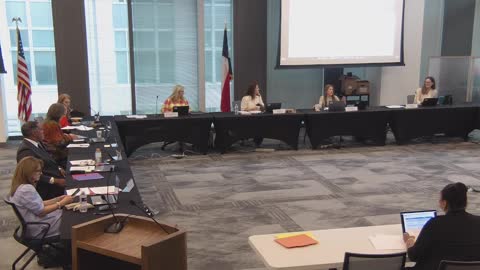
Jessica McLaughlin, associate commissioner for educator policy and preparation at the Texas Education Agency, reported to the State Board for Educator Certification during the board’s public meeting about the agency's annual review of the educator workforce. The presentation said the total number of employed teachers in Texas fell for the first time since 2011 while student enrollment remained flat, and that teacher attrition increased compared with the prior year. McLaughlin described a continuing decline in new hires and a growing share of uncertified teachers entering the classroom.
The data matter because uncertified hires and gaps in preparation show up in multiple student- and campus-level measures, McLaughlin told the board. She summarized the new-hire pipeline as composed of traditionally certified teachers, interns, out-of-state or out-of-country certified individuals, uncertified hires, and reentering teachers. Over half of first-time teachers statewide were uncertified in the most recent year, she said, and among that remainder about 24% came to the classroom through alternative preparation and 18% through traditional preparation; 3% were from residency preparation routes.
McLaughlin pointed to subject- and grade-level differences: high school CTE and career-technical areas have historically had high proportions of uncertified teachers (about 23% in those fields), but she noted an increase at the elementary level as well — about 11% of teachers providing English language arts and reading instruction in elementary grades were uncertified in the last year. She also said two-thirds of uncertified teachers were enrolled in educator preparation programs but were not completing those programs, and that the gap between program admission and completion is widening.
McLaughlin cited research and agency analyses linking preparation route to retention and student outcomes: higher 5-year retention for teachers from traditional preparation programs, lower retention for uncertified teachers, and differences in campus-level outcomes and disciplinary incident rates where uncertified-teacher rates are higher. She also described the board’s recent policy work — adoption of teacher residency routes, redesign of Chapter 228 EPP rules, updates to pedagogy standards, and ongoing redesign of certification exams and continuing-approval review — as part of efforts intended to raise preparation quality and candidate supports.
Board members thanked McLaughlin for the briefing and asked questions about consequences for preparation and certification policy. No formal action was taken at the meeting on the workforce materials; the presentation was provided for the board’s information and to frame subsequent agenda items about preparation programs and tests.
Ending: The data recap underscored the board and TEA’s stated focus on strengthening preparation routes and improving candidate support so more teachers complete preparation and earn certificates, a theme the board continued to address across the meeting’s subsequent items.