Get Full Government Meeting Transcripts, Videos, & Alerts Forever!
Get email alerts on the Solitary topic
No spam. Unsubscribe anytime.
Lawmakers, advocates dispute whether HALT solitary‑confinement reforms were implemented as written
Summary
The HALT Act — New York’s limits on segregated confinement — was raised repeatedly at the hearing. DOCS and unions said the law had operational effects but called for tweaks; advocates and formerly incarcerated witnesses said DOCS failed to implement HALT, and suspension of some rules during the strike worsened conditions.
The joint hearing revisited the 2021 HALT Act, New York’s law to restrict long‑term segregated confinement, after testimony from corrections staff, DOCS leadership and advocates questioned whether the statute had taken effect as intended. Many witnesses said the statute had not been fully implemented and that its inadequate or inconsistent implementation has been used by some as a scapegoat for rising violence.
Commissioner Daniel Martisell said DOCS had formed a HALT committee and had met with unions and stakeholders to develop operational recommendations, and that stakeholders were working on a timeline for recommendations. He said DOCS had met with unions and stakeholders and expected recommendations in the weeks after the hearing and that the department had reconstituted an agency-level HALT working group.
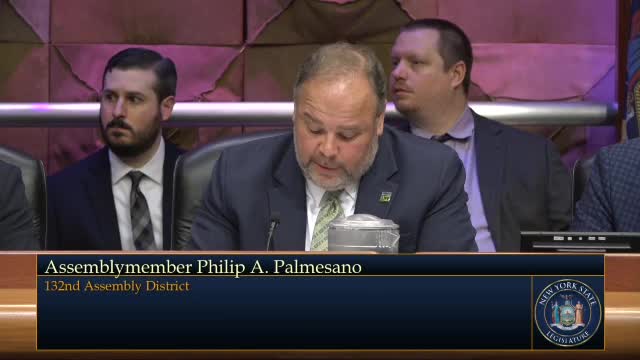
Union leaders told the committee their members felt safety concerns because restrictions on segregation made it harder, they said, to separate the most violent incarcerated people from the rest of the population. Assemblyman Phil Palmisano and other members cited statistics presented at the hearing showing increases in certain assaults and contraband seizures since HALT’s implementation, and asked whether the law’s limits on disciplinary confinement contributed to those increases.
Advocates and formerly incarcerated witnesses said HALT had not been fully implemented in practice and that DOCS’ use of isolation or other forms of confinement continued for people with serious behavioral and mental health challenges. They argued that HALT’s safeguards — including limits for special populations and required procedural reviews — were not consistently enforced. Panelists also said that during the illegal work stoppage DOCS suspended parts of the law, which in their view increased harm and fostered conditions that prompted deaths and other serious incidents.
Nut graf: HALT remains contentious: labor leaders say the law has operational consequences for officer safety and policy tweaks are needed; advocates say the department has never properly implemented the law and that suspensions of HALT’s protections during the strike made conditions worse. Both sides told lawmakers they want safer facilities but disagree sharply on what changes are necessary.
Supporting details: Commissioner Martisell said DOCS formed a HALT committee that includes unions and state agencies and expected recommendations within weeks; advocates asked for time frames and substantive commitments to implement statute provisions for special populations, grievance protections and independent monitoring. Several witnesses urged that recommendations be publicly reported and that the committee not be used to delay enforcement of statutory protections.
Ending: The committee urged the HALT working group to publish recommendations and timelines for implementation and asked DOCS to report back. Advocates warned lawmakers that statutory protections without enforcement are insufficient, and that the Legislature should monitor implementation closely and consider statutory fixes to ensure safeguards are not suspended in future emergencies.