Get Full Government Meeting Transcripts, Videos, & Alerts Forever!
Get email alerts on the Accountability topic
No spam. Unsubscribe anytime.
Families, advocates demand accountability after two inmates killed by corrections staff
Summary
Lawmakers, family members and advocates pressed New York Department of Corrections and Community Supervision (DOCS) leaders for answers after the on-duty killings of Robert Brooks and Messiah Nantwe and called for independent investigations, stronger discipline and faster transparency.
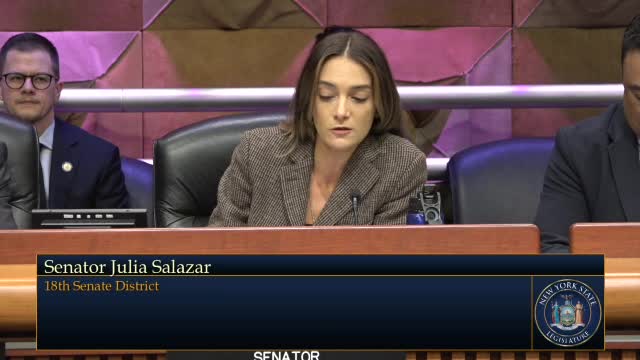
Senators and assembly members pressed New York State corrections officials on May 14 after two recent killings of men in state custody exposed failures of oversight and discipline. The hearing — convened by the Senate Standing Committee on Crime Victims and Corrections and the Assembly Standing Committee on Corrections — focused on the deaths of Robert Brooks and Messiah Nantwe and broader claims of staff violence and impunity.
Families and advocates described the killings in blunt terms. Robert Brooks’ father, Robert Ricks, told the committees that video he and others watched showed officers “beating my son to death” and that decades of prior complaints about staff misconduct had not been addressed. Ricks urged the legislature to pass bills he described as the “Robert Brooks agenda for justice,” including measures to strengthen independent oversight and discipline.
The commissioner of DOCS, Daniel Martisell III, acknowledged the murders and said he had made criminal referrals to the New York State Police and the state Attorney General, launched internal investigations and begun termination proceedings for the staff involved. “These acts are inexcusable,” Martisell told the committees, adding that he had expanded the Office of Special Investigations and retained outside counsel to conduct a holistic review of department practices.
Family testimony underlined the perceived gaps in response and care: Jessica Lowe told legislators that her father, Clement Lowe, who died after being beaten and denied timely medical care, called her repeatedly and described being ignored by medical staff. “They refused to take him to the hospital,” she said. The family said repeated phone calls and an attorney’s intervention were needed before clinicians reviewed him, and he died soon after.
Advocates and legal groups told the committees OSI and DOCS investigations have been slow and opaque, and they urged automatic outside referrals for serious use‑of‑force allegations. Anthony Gemmill of the Legal Aid Society said DOCS internal probes often “weigh staff credibility over incarcerated voices” and recommended that serious force allegations be referred automatically to the state Inspector General for independent investigation.
Speakers on the panel and in public comment called out disciplinary outcomes that appear weak compared with the scale of misconduct alleged. Parole Preparation Project deputy director Anthony Dixon summarized settlement and disciplinary data that he said show large numbers of claims and very few terminations over long periods. “Between 2010 and 2022, DOCS sought to terminate staff in roughly 290 cases but only terminated 28 officers,” Dixon said in written testimony.
Lawmakers pressed Martisell about his ability to discipline staff. The commissioner said his authority is constrained by the collective bargaining framework and independent arbitration, and he welcomed legislative changes that would provide broader discretion, while declining to comment on pending bills he said he could not discuss publicly.
Nut graf: Family testimony and recorded video from correctional facilities brought the issue of staff violence into public view and created new urgency at the Legislature. Lawmakers and advocates said the department’s recorded responses — criminal referrals, expanded investigator staff and external reviews — are necessary but not sufficient: they want clearer, faster independent investigations, improved access to camera footage for investigators and families, and statutory changes to ensure meaningful discipline when misconduct is proven.
Supporting details: Witnesses from prisoners’ rights organizations and public defenders described patterns of retaliation, slow grievance processes and difficulty getting video or medical records through FOIL. Several witnesses urged that body‑worn camera and fixed camera footage be preserved and made accessible to independent investigators, and that any unexplained loss of footage be reported publicly. The Correctional Association and other monitors supported statutory changes to expand outside oversight and subpoena authority.
Ending: The hearing closed with renewed calls from families and advocates for immediate action: pass statutes to strengthen independent oversight and discipline, ensure prompt sharing of video and medical records, and reform investigation timelines so families get faster answers. Lawmakers said this hearing will be followed by proposals and that they expect the department to cooperate as the Legislature considers legal changes this session.