Get Full Government Meeting Transcripts, Videos, & Alerts Forever!
Get email alerts on the Budget topic
No spam. Unsubscribe anytime.
Hopewell Valley board adopts tentative $92 million 2025–26 budget; tax levy to rise about 4.1%
Summary
The board approved a tentative $92 million budget that includes a 4.1% local tax levy increase enabled by state waivers. The plan reduces reliance on savings, proposes program cuts and new activity and transportation fees, and passed by roll call.
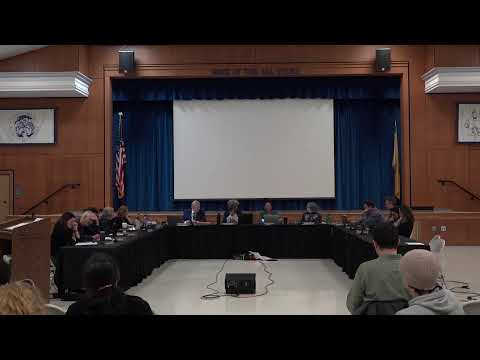
At its March 17 meeting, the Hopewell Valley Regional Board of Education approved a tentative $92,000,000 budget for the 2025–26 school year that carries a local tax‑levy increase of about 4.1 percent. The board cast a roll‑call vote to adopt the tentative budget for submission to the county superintendent; the vote was 8 in favor, 1 opposed.
The nut graf: district leaders said the package keeps most programs intact while narrowing the use of one‑time savings, responds to rising benefit and insurance costs, and relies on two state waivers that raise the permissible tax levy above the 2 percent cap.
Superintendent Doctor Therese introduced the proposal as a reflection of community priorities: "Our budget reflects our values as a community," she said, asking the board to approve a tentative budget that maintains programming while being fiscally responsible. The presentation described revenue and expense drivers and outlined proposed cost‑control measures for the coming year.
Key budget figures and drivers presented by staff: the tentative budget totals roughly $92 million; the district received a health‑benefit cap waiver of about $1,700,000 and an enrollment waiver of about $200,000, together enabling the district to exceed the 2 percent tax levy cap. State aid increased by about $400,000; administrators said federal aid is likely to be about 10 percent lower than this year but final federal allocations had not been announced.
Administration also emphasized cost pressures: projected insurance increases (health and property/casualty) of about 10 percent, higher energy and technology costs, and added transportation needs as enrollment rises. The district is adding four new bus routes for developing neighborhoods and expects enrollment growth tied to several subdivisions that could add 400–500 students over the next decade.
To reduce the use of one‑time reserves, the budget lowers planned reliance on surplus from $4,000,000 last year to about $2,700,000 this year. The administration said about 76–80 percent of expenditures are staffing and benefits; special education and staffing are the largest cost drivers. The report also listed proposed reductions or changes that could be implemented during the budget‑development process: increases in average class size where not legally constrained, restoration of full charges for courtesy busing (non‑required transportation), an athletic and co‑curricular fee estimated to yield roughly $200,000, consolidation or elimination of undersubscribed elective offerings, a reduction in district‑funded field trips, elimination of the auto shop program (staffing/certification shortage cited), and reductions in non‑instructional administrative positions.
Transportation: courtesy busing would be recalculated and charged at full cost if parents choose to keep the service; district staff estimated a per‑seat cost in the neighborhood of $1,000. The district also noted four new routes added this year to serve growth areas, with a contract rate increase of about 3.6 percent for next year.
Board discussion emphasized tradeoffs. Finance committee chair Mister Peters said the vote was hard but necessary: "If you add those numbers up, that is teachers. Those are teachers that we get to keep here," he said, arguing that modest new fees and careful cost‑control are preferable to deeper cuts to staffing. Another board member who opposed the motion said he needed more time to be fully comfortable but left open further discussion before final adoption.
Vote and next steps: the board adopted the tentative budget by roll call (Yes: Doctor Genovese; Mister Coppadia; Doctor Lilliston; Mister Peters; Doctor Resnick; Doctor Stiliano; Doctor Wilson; Miss Williams Galliano. No: Mister Slottman). The board will submit the tentative budget to the county superintendent, who may require minor changes; a public hearing and final adoption are scheduled for April 28. Administrators said they will continue work with finance and facilities committees and seek community input on proposed fees and potential cuts before the final vote.
Ending: district leaders urged residents to participate in upcoming committee meetings and public hearings; the board emphasized the tentative budget aims to balance program preservation with fiscal constraints tied to rising costs and state policy limits.