
Council takes up updated billboard ordinance after planning commission dispute; first reading advances 3–2
Get AI-powered insights, summaries, and transcripts
Sign Up Free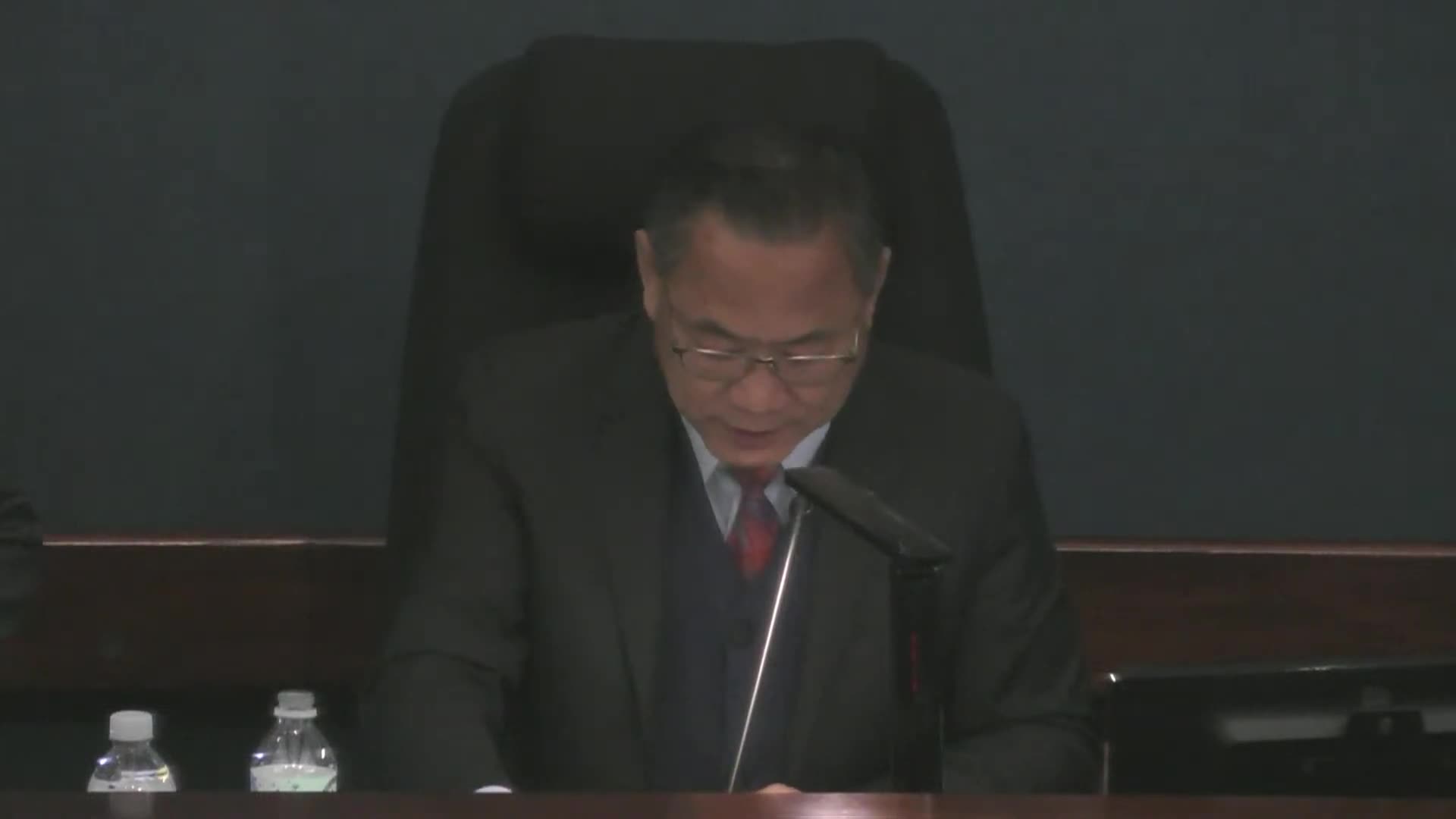
Summary
The Westminster City Council advanced an amended billboard ordinance on first reading March 26 after a contentious public hearing and debate over changes staff made to the planning commission’s recommendations.
The Westminster City Council heard a lengthy staff presentation and extensive public comment on a proposed ordinance to update the city's rules for billboards and introduce standards for electronic billboards. On first reading the council advanced an amended zoning-text change 3–2, sending the ordinance forward with direction on several technical items.
What the draft would do: Staff said the draft formalizes modern standards for billboards (including digital displays), restricts new billboard locations to freeway‑adjacent commercial/industrial properties, adds a 200‑foot residential setback, raises the potential maximum height in certain cases (staff proposed a 90‑foot ceiling subject to justification and planning‑level findings), and creates a public‑benefit agreement process that can require mitigation fees, community messaging and business discounts.
Planning commission concerns: Planning Commission chair Casey Wolbert, vice chair Don Anderson and several commissioners told council they had spent hours refining a different draft and that staff’s version omitted two planning‑commission recommendations: (1) a citywide cap on the number of digital billboards (the commission had suggested a ceiling of ten) and (2) an expanded public‑notification radius (commission recommended 1,000 feet rather than 500) for billboards because of light and visual impacts to nearby residents. Commissioners urged the council to incorporate their recommended edits.
Staff and city attorney views: Staff and the city attorney explained they had consulted legal counsel and believed an automatic, universal 1,000‑foot notice for a single land use could be problematic; staff also said the site‑eligibility criteria would practically limit the number of feasible billboard locations. The report includes attachment 2 documenting planning‑commission recommendations and staff responses.
Public comment: Past and current planning commissioners, business and community representatives and members of the public spoke. Critics argued that allowing large digital billboards up to 90 feet tall could harm residential neighborhoods and requested stricter notice and numerical limits. Supporters said clearer, modernized rules would protect the city from ad‑hoc negotiations and could direct revenue to community uses.
Council action: After debate—during which councilmembers asked staff to tighten language around technical submissions required for any proposed tall billboard (true‑to‑scale renderings, sight‑line analyses and as‑built plans) and to clarify Caltrans distance standards—the council voted 3–2 to introduce the ordinance for first reading (Yeas: Mayor Chi Charlie Nguyen, Councilmember Mark Wynne, Vice Mayor Manzo; Nays: Councilwoman Amy Fan West, Councilmember Nam K. Nguyen). Councilmembers said they expect to return to the item for final adoption after staff incorporates clarifications discussed at the hearing.
Why it matters: The ordinance would change where and how new billboards may be built in Westminster and sets the framework for future agreements that could provide annual mitigation fees or community advertising time. The council directed staff to draft clarifying edits (including precise references to Caltrans separation rules and more detailed standards for height justification and scaled renderings) before the final reading.