Get Full Government Meeting Transcripts, Videos, & Alerts Forever!
Get email alerts on the School Budget topic
No spam. Unsubscribe anytime.
Mineola UFSD proposes 2.08% tax-levy increase, $112 million 2025-26 budget; board hears plan to buy nine vehicles
Summary
District staff presented a $112 million 2025-26 budget that raises the maximum allowable levy to 2.08% (about $1.81 million), funds salary and benefit increases that make up roughly 80% of costs, and includes a plan to replace nine transportation vehicles amid outsourcing shortages and an electrification mandate.
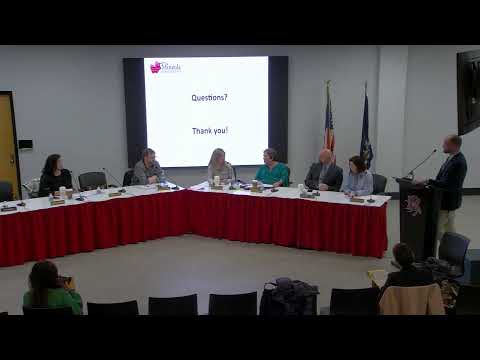
Mineola Union Free School District staff on Wednesday outlined a proposed $112,000,000 budget for the 2025-26 school year that would raise the district's maximum tax levy to 2.08%, a levy increase of $1,810,557 for that year.
The presentation, delivered by a district staff member identified in the meeting transcript as Will, framed the levy increase as a response to rising personnel and nonpersonnel costs. "Our goal is always to only take in tax dollars what is needed for the district and the programming and operations to run," Will said, adding that salary and benefits account for about 80% of the district's total cost.
The budget overview showed salary and benefit lines rising by roughly 1.96% overall, with an almost $1.1 million increase in salaries. The district said it is not increasing the Teachers' Retirement System (TRS) line because a lower employer contribution rate offsets salary-eligible increases; the Employee Retirement System (ERS) budget is expected to rise by about $300,000. Other benefit categories (unemployment, workers' compensation, Social Security, disability insurance) were listed as increasing by $102,000. Non-salary expenses — described as insurance, security, charter tuition, special-education tuition and facilities maintenance — are rising faster, a combined increase of roughly $700,000 or an average of 23.17%.
State aid and appropriated fund balance play a role in the district's calculations. The presentation used a provisional state-aid figure of $13,969,000 from the governor's executive "run"; the district said the Legislature's final number, expected on or about April 1, could reduce the need to draw on fund balance. Appropriated fund balance items shown in the presentation include a $1,600,000 transfer for capital and $800,000 appropriated for operating costs. "If we receive more in state aid, the budget and the levy will not go up. It'll just be offset by a decrease in the appropriated fund balance," Will said. "So it's gonna stay at 2.08. There'll be no additional increase."
Transportation needs featured prominently. The district proposed replacing nine vehicles in 2025-26 — two large school buses, four 30-passenger vans, two 20-passenger vans and one wheelchair-accessible van — to bring the fleet closer to its target rotation (the district said a typical fleet of about 55 buses normally replaces five to seven vehicles per year). The purchases are planned via a lease-purchase agreement so the district will pay principal and interest over five years.
Officials said the move toward more in-house transportation is driven by third-party providers declining smaller or unprofitable runs and by rising costs for outsourced busing. The district plans to add two driver positions (two full-time equivalent roles) to operate the expanded fleet; staff noted this can also create a small additional revenue stream when the district performs busing for neighboring districts under intermunicipal agreements.
Officials discussed how the replacement plan interacts with a "current electrification mandate" mentioned during the meeting. Staff said purchases starting in 2027 may be required to be electric and that the district is conducting a study on charging infrastructure. The district described the near-term decision to buy gas/diesel vehicles as prudent because the infrastructure for electric buses is not yet ready; staff also said that any future increase in confirmed state aid would reduce reliance on appropriated fund balance.
The presentation included a brief note that one older bus (Bus 118) was declared surplus on the day's consent/consensus agenda and will be scrapped; proceeds are expected to be token (the presenter said a couple of hundred dollars). Meeting participants discussed continuity and reliability advantages of maintaining an in-house transportation department, including an example where district buses were used to move students during a middle-school power outage.
Key dates listed by staff were April 23 (further equipment and capital detail), May 8 (budget hearing) and May 10 (district planned budget adoption of the overall operating figure and levy), with the public budget vote set for May 20 at Synergy. The district said the one remaining variable at the time of the presentation was the Legislature's confirmation of state aid; other numbers presented were labeled as the district's working figures.
Ending: The board did not take a final vote on the budget at the meeting where the presentation was given; staff said the next board meeting will include the formal adoption vote on the operating total and levy on May 10, followed by the public vote on May 20.