Get Full Government Meeting Transcripts, Videos, & Alerts Forever!
Get email alerts on the Budget And Finance topic
No spam. Unsubscribe anytime.
Superintendent details consolidation, construction timeline and $2.36M budget gap; flags electric‑bus costs
Summary
Superintendent Dr. Douglas delivered the annual "state of the schools" presentation on Feb. 13, reviewing elementary consolidation, construction timelines for Center Street/Ridge Road/high school work, transportation targets and a projected budget gap of roughly $2.36 million; he and finance staff warned of an unfunded state electric‑bus mandate.
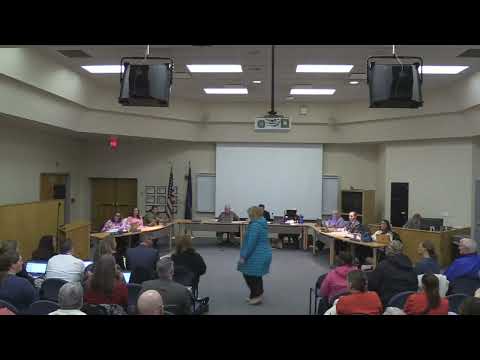
Superintendent Dr. Douglas and district finance staff outlined the state of the schools and a preliminary budget picture at the Horseheads Central School District board meeting on Feb. 13, detailing continued construction work, consolidation of elementary buildings and a budget gap the administration quantified at about $2.36 million.
Douglas said the district has been planning consolidation since 2017, and that the elementary day will be extended to meet New York State Education Department minimum‑hours requirements. “We had 1 of the shortest days of less than 5 hours 50 minutes for elementary. Now it'll be roughly 6 hours and 46,” Douglas said, adding the district is increasing elementary physical‑education time and hopes to restore more recess minutes.
The presentation included photographs and timelines for capital projects: nearly completed work at Garden (Garden/Gardner) Road and Barton Road cafeterias and gyms, continuing prep for the high‑school phase, and parking and bus‑loop redesign at Ridge Road. Douglas said the district expects to bring construction contracts to the board soon and to start major high‑school and Ridge Road work this spring, with building moves and meet‑and‑greets scheduled through the summer and consolidation to begin in September.
Transportation and bus service were major themes. Douglas said current runs sometimes exceed 60–90 minutes for students on the bus and that the district is targeting routes with “wheels moving” times of 60 minutes or less. Finance staff warned that estimates for new routing depend on final run designs and collective‑bargaining details for drivers, and they said some changes could be neutral year‑over‑year because state aid follows changes in transportation spending.
Finance director Tony (identified in the meeting as the district finance presenter) reviewed the governor’s preliminary state budget impacts, including a modest foundation‑aid increase and continued volatility in expense‑driven aids such as transportation and excess‑cost special‑education reimbursement. He noted that some one‑time aids that had appeared in the prior year do not recur, and that the district’s transportation and building aid projections are still being finalized.
Douglas and finance staff also raised a major state policy risk: a phased electric‑bus mandate. Douglas said the district has 88 buses and that about 11 “will not complete their just single route with an electric bus charge.” He framed the conversion as costly, saying the district would face “about $280,000,000” for garage infrastructure and bus purchases and that, per his remarks, each bus could require an additional battery with an approximate cost of “$140,000.” He urged stakeholders to raise the issue with state legislators; he named Assemblymembers and senators by request as possible contacts.
On budgeting, staff presented a multi‑page draft that relies on an assumed 2% tax‑cap limit and proposes a mix of one‑time reserve uses and fund‑balance draws. The administration’s working gap after the draft adjustments was reported as approximately $2,360,000. “Right now, our gaps with everything inclusive below is, dollars 2,360,000.00,” the presentation said. Staff outlined potential adjustments, including restoring some previously reduced positions (for example, elementary physical‑education teachers), targeted capital and equipment needs related to consolidation, and programmatic considerations such as summer academies and TA staffing.
The board also received audit and finance committee updates: the external single audit of federal programs (special education and school lunch) contained no findings, the auditors said, and the audit committee recommended continued focus on health‑benefit controls. The board voted to approve agenda items 6.03 through 6.18 (finance and audit consent items) during the meeting.
What this means: the district is advancing capital construction while simultaneously working through the budget‑development cycle. Significant variables remain—state foundation and expense‑driven aid levels, possible electric‑bus infrastructure costs and final transportation routes—that could materially alter the district’s final budget and the levy request the board eventually puts to voters.
Next steps: staff said start‑time decisions and bus‑route design will continue into spring; the board will discuss budget direction at an upcoming meeting and expects to return with a more detailed budget recommendation in late February and March. The administration asked board members for direction about whether to prioritize program preservation (using reserves or the tax cap) or to pursue deeper, permanent reductions.