Get Full Government Meeting Transcripts, Videos, & Alerts Forever!
Get email alerts on the Board Governance topic
No spam. Unsubscribe anytime.
Horseheads board debates bringing legal counsel to public meeting after member alleges bullying; session adjourned
Summary
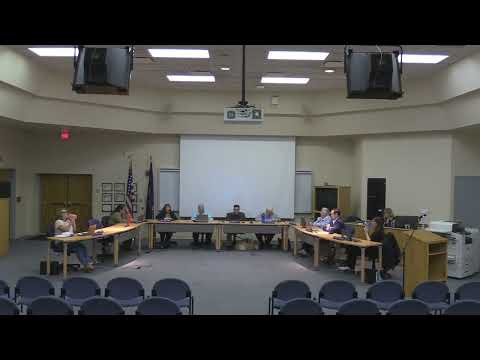
Horseheads Central School District Board of Education members spent a special March 10 meeting arguing over whether to have the district’s legal counsel attend while one board member raised allegations of bullying and of improper restrictions on asking financial questions.
Horseheads Central School District Board of Education members spent a special March 10 meeting arguing over whether to have the district’s legal counsel attend while one board member raised allegations of bullying and of improper restrictions on asking financial questions. The board did not vote to add counsel tonight; the superintendent said he will contact the attorney to find available dates and the board adjourned.
The meeting opened with a motion that legal counsel attend any discussion of “board ethics and violations, board operation, and treatment of others.” The motion was seconded, and board members then debated whether a special meeting called for that purpose fit district policy and whether the public forum was the right setting to air allegations. One board member said she would file a formal complaint if the board did not address her concerns.
The dispute centered on procedure as well as substance. Several members cited Board Policy 2300 (and accompanying citations to policy sections discussed in the meeting) to argue that a special meeting should be reserved for urgent district business and that a retreat or a work session would be a more appropriate forum for an open, facilitated conversation. Other members and the superintendent said that, because the materials circulated in advance appeared to raise legal issues, it was appropriate for the board attorney to be available to advise the board.
Board member Katrina (first name only in the record) told colleagues she intended to file a formal complaint and said the disagreement stemmed from her asking detailed financial questions. “I am filing a complaint,” Katrina said during the meeting. Several members urged her to use the district’s formal complaint process and to let the established procedures run their course.
Superintendent Thomas Douglas said his role is to protect the board and the district and to work with the president to arrange legal representation. “My job is to protect the board and all workers,” Douglas said, and he told the board he would contact the attorney to see when counsel could be available, aiming for a date within about two weeks if possible.
Other details raised in the meeting included references to a past vote in January on holding a retreat, disagreement about whether a particular facilitator or attorney (named in prior discussions) would attend a retreat, and a district budget gap of $2,300,000 cited by one speaker as part of the broader context for board work.
The meeting ended with a motion to adjourn; the presiding officer called the question and members voted in favor. No formal vote to require counsel’s presence at this meeting was recorded in the transcript. Instead, the superintendent was tasked with contacting the attorney to propose dates and logistics for a future session in which counsel could advise the board on legal issues raised by the materials circulated.
The board’s next steps, as discussed at the meeting, are procedural: whether to schedule a facilitated retreat or a public work session, or to convene a legally noticed meeting that would include a specific agenda item if members intend to take formal action such as proposing removal from office or other specified motions. Several members said that any motion to remove an officer or to take formal disciplinary action would need to appear explicitly on a posted agenda.
Votes at a glance: The transcript records a motion to have counsel present (mover: the presiding officer; second: another member) but does not record a completed vote on that motion. The transcript does record a motion to adjourn, with the presiding officer moving to adjourn, a second, and the chair calling for the ayes to end the meeting.
What remained unsettled at adjournment was whether the board will follow up with a facilitated retreat or a formal meeting with counsel and a clear agenda. Superintendent Douglas said he would contact the attorney to propose dates and report back to the board.
Background: Board members invoked Board Policy 2300 during debate, arguing over the appropriate legal and procedural forum for discussing allegations that could implicate liability or personnel matters. Members also referenced New York State open meetings guidance as background for the discussion of process and public access.