Get Full Government Meeting Transcripts, Videos, & Alerts Forever!
Get email alerts on the Procurement topic
No spam. Unsubscribe anytime.
County procurement and prevailing‑wage discussion highlights apprenticeship requirement proposal
Summary
Speakers discussed updating purchasing policy and whether to require apprenticeship programs for contractors on county projects, mentioning a $75,000 threshold tied to prevailing‑wage rules and examples from other counties.
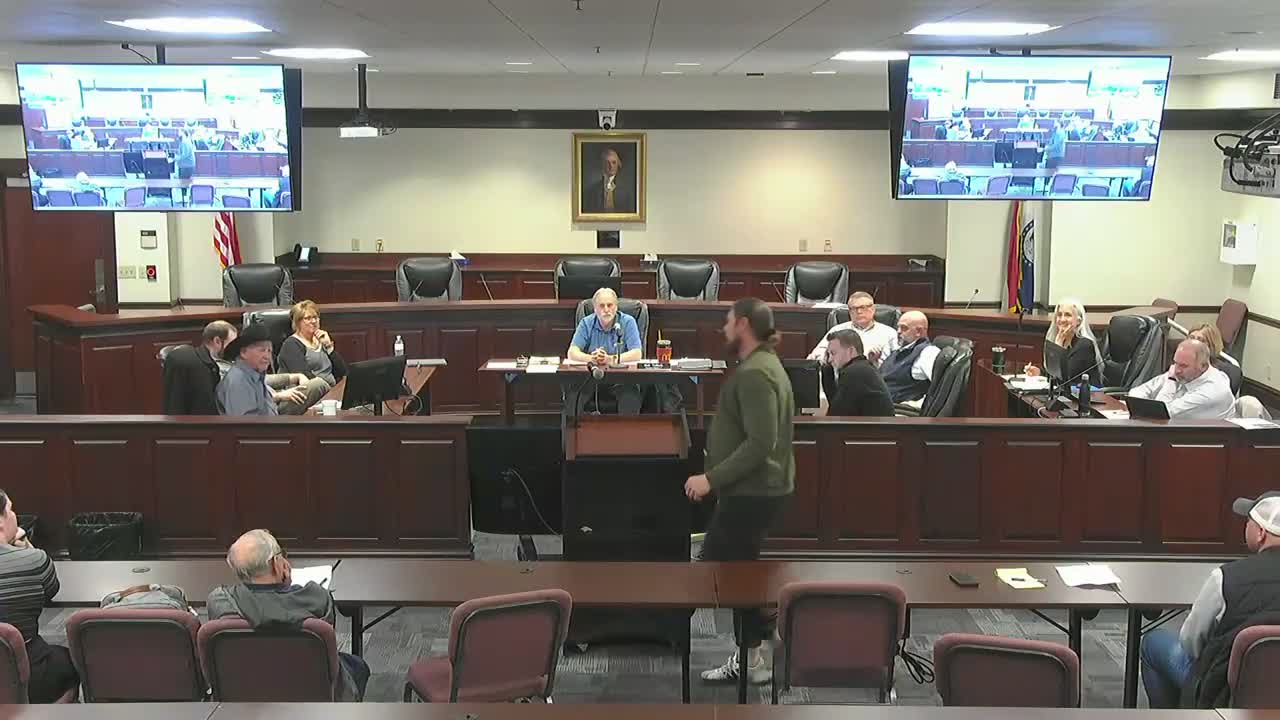
Clinton McBride, government affairs director for Labor’s Local 110, told the council that requiring apprenticeship programs on publicly funded projects is primarily a job‑site safety and workforce development measure and cited examples from other counties.
McBride said apprenticeship and safety training can prevent avoidable workplace injuries and argued that setting minimum standards on county contracts would raise job quality for workers who perform construction and maintenance on public projects. “At the end of the day, wages, benefits, none of it matters if you don’t get to go home at night to your family,” McBride said, arguing that apprenticeship requirements create safer job sites.
Council members and staff discussed the mechanics of changing procurement rules, emphasizing that any revision should be drafted with input from the director of purchasing, the county auditor and the administration office to ensure it can be administered and complies with law. A county staff member said a recent, extensive set of suggested changes had been submitted to the Director of Administration for review.
A speaker noted a state statute threshold of $75,000 in the context of prevailing‑wage rules; staff cautioned that the relationship between local thresholds and state law is technical and must be confirmed. One council member said the $75,000 figure may have been derived from state statute but that the member was not qualified to interpret the law on the record.
Why it matters: If the county adopts a purchasing standard that requires apprenticeship participation on certain contracts, it may affect the bidding process, contractor qualifications and project costs and could be tied to prevailing‑wage compliance on covered projects.
Clarifying points on record at the meeting: McBride referenced evidence from other jurisdictions (St. Louis County and several volunteer apprenticeship models) where apprenticeship or related requirements were in place; staff advised that draft language must be reviewed by purchasing staff and the auditor to ensure administrative feasibility and legal compliance. No procurement ordinance or change was adopted at the meeting.
No formal votes were recorded on procurement changes during the session. Several council members urged staff to convene technical conversations with the purchasing office and administration before drafting any binding legislation.