Get Full Government Meeting Transcripts, Videos, & Alerts Forever!
Get email alerts on the Site Lighting And Landscape topic
No spam. Unsubscribe anytime.
Board approves phased pole-and-fixture replacement at Bowman Court, defers landscaping for redesign
Summary
The board approved replacement of site lighting at 1800 Bowmantown (phased, up to two years) and deferred the landscaping portion so the applicant can revise plans and address erosion, species selection and ground-cover recommendations from DRB landscape members.
The DRB approved a phased program to replace existing site light poles and fixtures at Bowman Court (1800 Bowmantown) and deferred the broader landscaping proposal for further study and revisions.
Jeffrey Rohrer, representing Quantum Real Estate Management, described replacing approximately 11 poles (yellow dots on the plans) with matching-style LED fixtures and reinstalling a missing pole; because replacing all fixtures at once would cost about $27,000, the applicant proposed a phased, one-for-one replacement schedule with a maximum two-year window to complete the work. Jeffrey told the board the intention was to keep existing pole heights and fixture style but switch remaining fixtures to LED. The board approved the lighting work and the applicant agreed to a two-year maximum for phased replacement.
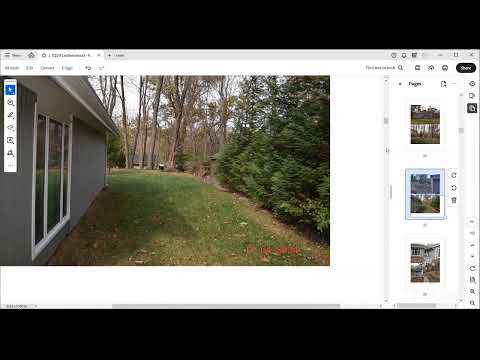
The landscaping proposal included addressing multiple erosion areas, replanting trees in eight formerly planted parking-lot tree squares, mulching/river-rock for erosion control near a brick retaining wall and turf replacement in worn common areas. DRB landscape members recommended against large-poplar tree replanting in constrained urban planters and suggested mixing understory trees and evergreen shrubs (holly, rhododendron, serviceberry, native maples) and using stabilization measures (topsoil amendment, hydroseeding or erosion-control matting) rather than large expanses of mulch.
Emily (board landscape member) recommended specific adjustments: choose species that tolerate urban, shaded conditions; avoid a monoculture of fast-growing poplars; prefer grass stabilization/hydroseed in sunny cut-through paths rather than sod; and use groundcovers (pachysandra or suitable liriope) or shrub plantings in shaded mulch beds. The board agreed to split the vote: approve lighting as proposed (phased, two-year limit) and defer the landscaping plans to allow the applicant to revise and resubmit within 45 days for the March meeting.
Staff will provide Emily’s written recommendations to the applicant and accept a revised landscaping submission; the lighting approval passed 5-0.