Get Full Government Meeting Transcripts, Videos, & Alerts Forever!
Get email alerts on the Education Technology topic
No spam. Unsubscribe anytime.
Catalina Foothills board approves adding AI reading and translation tools to sole-source list
Summary
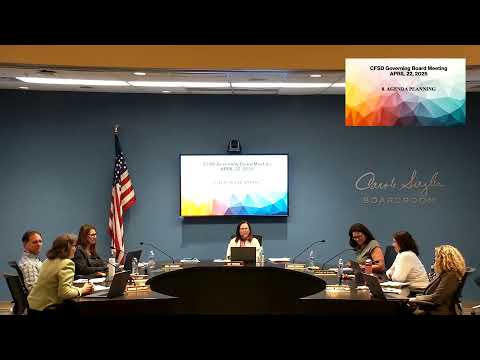
The Catalina Foothills Unified School District governing board voted 5-0 to add two AI-powered education tools — Amira and Difit — to its sole‑source vendor list for fiscal year 2024–25 after staff described how the products were identified and reviewed.
The Catalina Foothills Unified School District governing board voted 5-0 to add the AI-powered reading tutor Amira and the multilingual platform Difit to the district’s sole-source vendor list for fiscal year 2024–25. The board approved the change after staff described how the tools were evaluated and why teachers and specialists requested districtwide access.
Why it matters: Board members said the tools could support instruction for English-language learners, special-education students and independent reading practice at home — areas district staff said had asked for additional digital resources.
Staff description and origin: Miss Castro, a district staff member who led the vetting, told the board the district has been evaluating AI uses since spring 2024. She said the district’s director of professional learning, Leah Glashow Mandel, and the director of educational technology, Lynn Pence, first encountered some products at a spring conference and that both Amira and Difit were later reviewed by classroom specialists. “We’ve been investigating more AI uses for our district,” Miss Castro said, and described demonstrations, webinars and a Columbia University study she reviewed on Amira’s effects on reading fluency and vocabulary.
Miss Castro said Amira is an “AI‑powered reading tutor” that underlines words as students read, offers pronunciation prompts and definitions, and can be used independently at home. She said Difit was raised by staff who found it helpful for English learners and special-education students because it supports input in about 70 languages and allows differentiated texts. Staff said Difit had been available free to districts in earlier phases but some advanced features had recently required a paid subscription, which prompted teachers to request a district license.
Questions from the board: A board member asked where the products originated — whether teachers initiated them or vendors contacted the district. Miss Castro explained that the initial awareness came from staff attendance at conferences and from vendor outreach; she then routed the tools to relevant specialists, including the district’s RTI coordinator, Monica Del Rincon, for classroom testing and review.
Vote and outcome: A board member moved to approve adding Amira and Difit to the sole-source vendor list for fiscal year 2024–25 as presented; a second followed and the motion carried 5-0.
Next steps and use: Staff said the district will pursue a districtwide subscription for Difit because of high classroom usage and teacher requests. For Amira, staff reported reviewing research and vendor materials and working with reading specialists to assess classroom fit. Specific contract terms, pricing and implementation timelines were not specified during the meeting.
Clarifying details: The decision covers additions to the FY 2024–25 sole‑source vendor list; staff emphasized teachers and specialists drove interest in the tools; staff reviewed webinars, vendor meetings and published research when assessing Amira and Difit. The meeting did not include final contract terms or a dollar amount for either subscription.