Get Full Government Meeting Transcripts, Videos, & Alerts Forever!
Get email alerts on the Historic Preservation topic
No spam. Unsubscribe anytime.
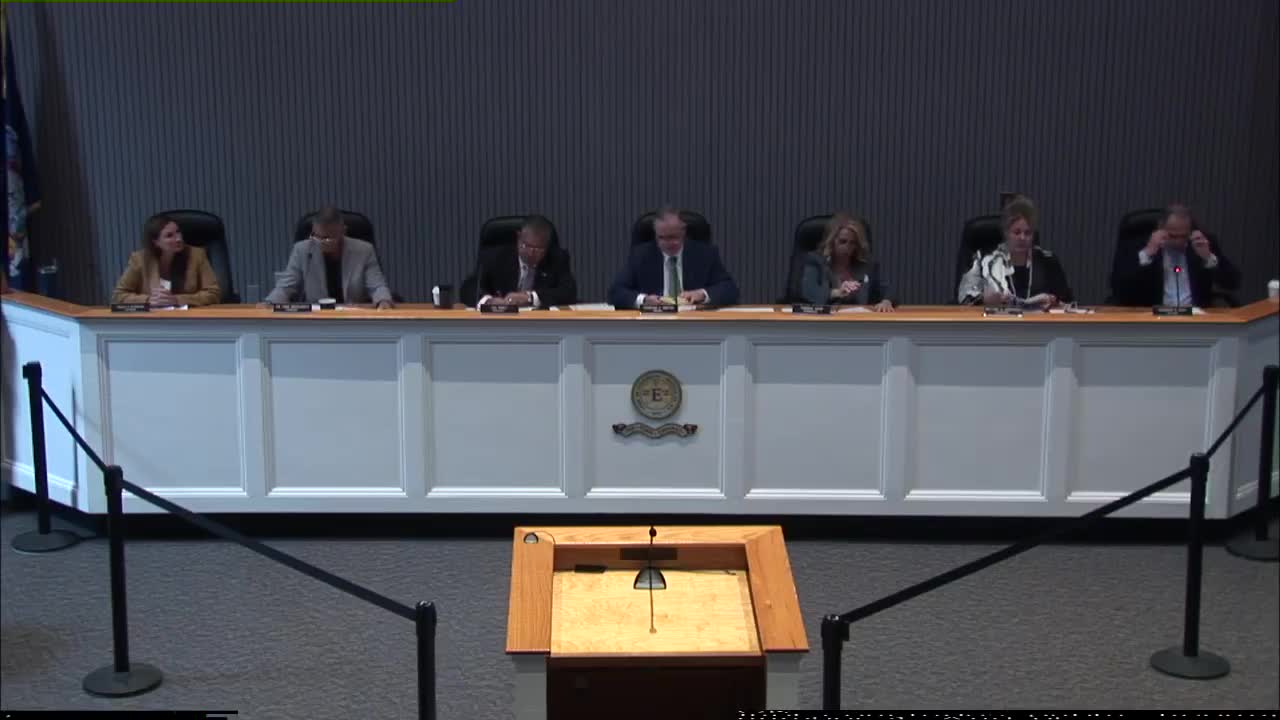
Huntington hears hours of testimony as Rosewood Farm owners seek historic overlay and commercial use
Summary
The Town of Huntington on May 13 held a lengthy public hearing on applications to designate Rosewood Farm at 473 Woodbury Road as a historic landmark and to apply the towns historic building overlay, a change that would allow commercial uses including a boutique hotel, spa, restaurant and limited gatherings on the 23.7-acre property.
The Town of Huntington on May 13 held a lengthy public hearing on applications to designate Rosewood Farm at 473 Woodbury Road as a historic landmark and to apply the towns historic building overlay, a change that would allow commercial uses including a boutique hotel, spa, restaurant and limited gatherings on the 23.7-acre property.
Supporters told the town board the Rosenfeld familys plan will preserve the estate and local history while bringing visitors and spending to Cold Spring Harbor, while neighbors and experts warned a commercial use would change the neighborhoods character and raise traffic, noise and infrastructure concerns.
Proponents described Rosewood as a rare intact estate and emphasized preservation. David Breitbart, a licensed architect, said the propertys buildings and landscape are "a place for family and friends" and urged the board to "be on the right side of history." Mark Bozek, a local businessowner, said the proposal would preserve the estate and provide economic benefits to downtown businesses.
Opponents focused on traffic, event size and long-term control. Erin Sheehan, a Cold Spring Harbor resident, opposed the project citing increased traffic and insufficient road and sewer infrastructure. "The infrastructure is not built to withstand a hotel or event space that can accommodate 70 plus people," she said. Several neighboring residents urged deeded restrictions in perpetuity to limit event types and frequency. James Baraka and Tara Kaufman presented petition tallies, with Kaufman reporting an online and paper petition totaling more than 1,100 signers opposed to the overlay.
Counsel and technical witnesses highlighted procedural and legal questions. Michael McCarthy, attorney for the applicant, told the board the overlay designation requires a minimum of 15 acres and said the proposal had the Historic Preservation Commission's endorsement; he described the plan as "a quiet corporate-style contemplative retreat." McCarthy also argued the alternative could be subdivision and loss of the estate. Ronald Goldstein, representing neighbors, said his clients oppose the application and warned that conditions negotiated with the applicant must be memorialized in covenants that run with the land to prevent future changes. "Unless those conditions are memorialized in a covenant restriction that run with the land... those covenants and restrictions could be changed by the next administration," Goldstein said.
Andrew Levitt and retained expert Robert Marks (appraiser) presented concerns raised by reviewing agencies. Levitt said the applicant had not provided requested information to the town conservation board and New York State Office of Parks, Recreation and Historic Preservation, including sanitary system upgrades, estimated water use and an archaeological survey for an archaeologically sensitive area. Marks testified that allowing a restaurant for up to 60 diners and gatherings up to 75 people would "change the character of the surrounding neighborhood and adversely affect and diminish the values of surrounding properties."
Economic and preservation arguments were hotly contested. Ed Carr, vice president of external affairs at Discover Long Island, submitted a letter estimating that guests at a small luxury boutique hotel and retreat could generate up to $8 million annually for the local economy through spending at restaurants and shops. Opponents countered that private commercial use is not the same as public open space and that increased traffic, lighting and noise would be permanent and difficult to police.
Procedurally, the town clerk certified publication and mailing notices for the hearings; the public hearing record opened and closed during the meeting. The town clerk noted a protest petition had been accepted and that any affirmative vote on the overlay could require a supermajority. No zoning change or overlay was adopted at the May 13 hearing; the board took testimony and received documents and letters into the record.
The board did not vote on the overlay at the May 13 meeting. Speakers on both sides urged the board either to preserve the historic estate through overlay and conditions or to uphold residential zoning that they said protects neighborhood character. Several speakers urged the board to require clear, enforceable, deed-restricted limits on events, guest counts and site modifications if the overlay proceeds.
The application remains pending. The town board may consider further conditions, mediation between neighbors and the applicant, agency reviews (including conservation and state historic preservation), and the required vote procedure if the matter moves toward adoption.