Get Full Government Meeting Transcripts, Videos, & Alerts Forever!
Get email alerts on the Public Safety Staffing topic
No spam. Unsubscribe anytime.
Police, fire chiefs urge sustained investment in staffing, equipment and technology
Summary
Police and fire leaders told council that staffing, training and technology investments are needed to maintain response times and public safety as calls rise and downtown density grows. Chiefs flagged the cost of vehicles and cloud-based body‑camera and license‑plate systems and asked staff to pursue grants and staffing plans.
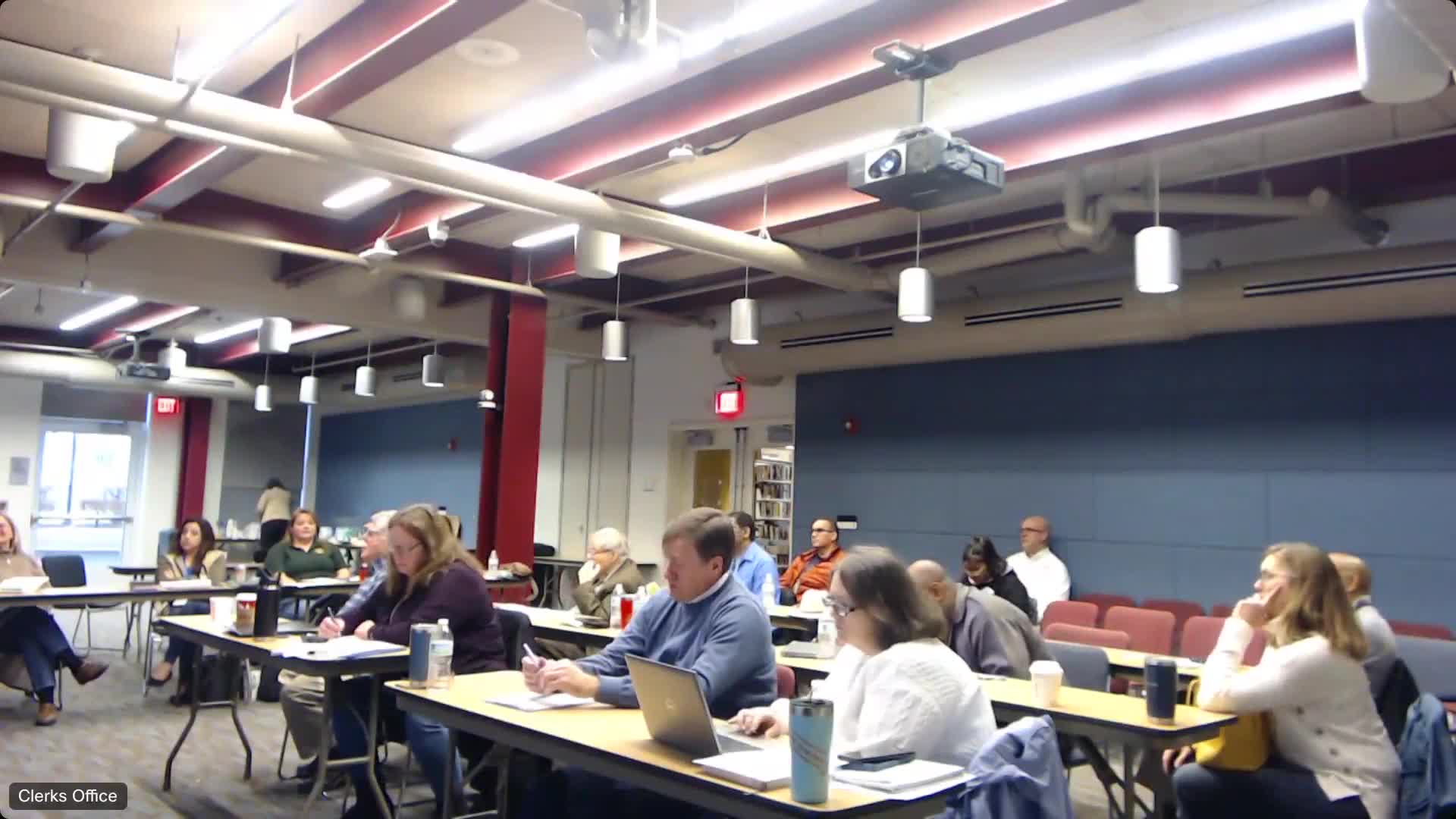
Police and fire leaders told the Dover City Council at its Jan. 31 workshop that the city needs continued investment in personnel, apparatus and technology to maintain response times and public safety as call volumes increase.
The police chief said increased hiring success produced a full roster of candidates for open officer positions and outlined a staffing plan that would allow a small, dedicated downtown policing unit when hires complete training. "I have a name on the piece of paper for every open police officer," the chief said, and described plans to onboard recruits earlier to shorten the time from hiring to independent patrol.
The police chief also placed technology and evidence systems on the near-term equipment list: cloud-hosted body‑worn cameras, in-car video and interview-room systems will require a multiyear contract. The chief told council that renewing the existing body‑camera/cloud package will mean an annual contract on the order of the mid six figures unless negotiated, and that license-plate and fixed-camera networks are already contributing to major investigations. He said those systems have helped recover abducted children and solve violent-crime cases and recommended continuing the network while working to secure grant funding.
Fire leaders reported a surge in service volume and highlighted volunteer staffing hours and apparatus costs. The fire chief told council that volunteers logged roughly "31,000 hours" in the prior year and that improved on‑scene times followed increased station staffing. He said modern fire apparatus costs have risen dramatically: "a new fire truck's 2 and a half million dollars" in present-day procurement, and maintenance/repair costs for older vehicles are substantial.
Both chiefs urged the council to pursue federal and state grants (SAFER for fire hiring; COPS and other programs for police) while planning sustainable local staffing, training and wellness programs. Police leadership also flagged officer wellness and training as critical; the chief said national trends show increased stress and mental-health risks among public-safety personnel and said local strategies should include prevention and support.
Representatives from Dover's legislative delegation and staff joined portions of the discussion and encouraged staff to identify specific legislative or grant priorities. The workshop did not include formal votes; chiefs asked for continued budget consideration and grant-seeking coordination with city staff.