Get Full Government Meeting Transcripts, Videos, & Alerts Forever!
Council accepts state and federal grants to install EV chargers and support electric vehicles
Summary
The council approved acceptance of multiple grants for electric-vehicle charging infrastructure: a DEC award for chargers at the golf course and police station, a National Grid make-ready grant, and a Department of Energy grant to install a DC fast charger at Erie and Union and to rebate an electric vehicle purchase.
The Schenectady City Council approved acceptance of several state and federal grants Monday that officials said will bring electric-vehicle charging infrastructure to public sites with little or no out-of-pocket cost to the city.
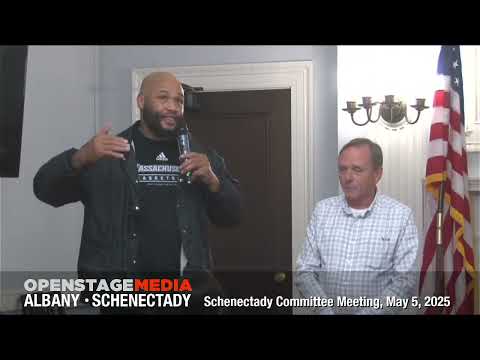
Deputy Chief (presenter) told the finance committee the New York State Department of Environmental Conservation has awarded $16,000 to install chargers at the municipal golf course and $38,800 for chargers at the police station. “There’ll be no out of pocket expense to…
Already have an account? Log in
Subscribe to keep reading
Unlock the rest of this article — and every article on Citizen Portal.
- Unlimited articles
- AI-powered breakdowns of topics, speakers, decisions, and budgets
- Instant alerts when your location has a new meeting
- Follow topics and more locations
- 1,000 AI Insights / month, plus AI Chat