Get Full Government Meeting Transcripts, Videos, & Alerts Forever!
Get email alerts on the School Health topic
No spam. Unsubscribe anytime.
Wythe County health coordinator warns of falling immunization rates and rising chronic student health needs
Summary
At the Feb. 13 Wythe County School Board meeting, school health coordinator Gretchen Robinson reported declining vaccination compliance, growing chronic-health needs among students, and an increase in clinic visits and emergency care the district must support.
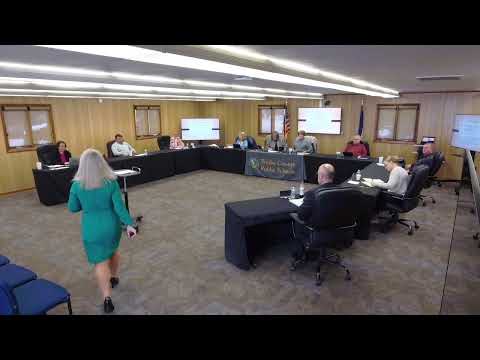
Gretchen Robinson, the Wythe County school health coordinator, told the Wythe County School Board on Feb. 13 that declining immunization rates and growing chronic health needs are increasing demands on school nurses and health services.
Robinson said the district logged more than 39,189 clinic visits during the 2023–24 school year and described falling vaccination compliance nationally and in Virginia. "School nursing is a specialized practice of nursing that protects and promotes school health, facilitates optimal development, and advances academic success," she told the board.
The presentation placed several specific figures on the district workload: 25 students with diabetes (12 using insulin pumps and 20 using continuous glucose monitors), about 281 students with asthma, 89 students with EpiPens, 44 students with documented seizure disorders (19 of whom have seizure medication on file), and roughly 3,810 hearing, vision and concussion screenings during the year. Robinson also said nurses made multiple emergency 911 calls and that one student required air transport during the year.
Nut graf: The combination of lower vaccine compliance, higher chronic-condition prevalence and new emergency-medication guidance is increasing school nursing responsibilities and program costs at a time when Virginia does not mandate a nurse in every school, Robinson told the board. That gap, she said, would otherwise shift emergency medical tasks to teachers and administrators.
Robinson described trends the district is monitoring: nationwide declines in MMR and other childhood immunization rates tied to vaccine hesitancy and pandemic-related disruptions; an upswing in respiratory illnesses including RSV and pneumonia; and higher sexually transmitted infection rates statewide. She flagged vaping and dab-pen use as a growing health threat among older students and said mental-health and socioemotional impacts from the COVID era — anxiety, burnout, loneliness and classroom disruptions — remain evident.
The coordinator outlined current and proposed medication and training practices. The division already stocks naloxone (Narcan) and albuterol inhalers; stock epinephrine is on hand in schools for severe allergic reactions. Robinson said proposed or discussed legislative changes include a fentanyl awareness program for grades 9–12, a proposal to authorize stock glucagon for severe hypoglycemia (not yet enacted), and proposals to permit stock seizure medication (also not enacted). "We do keep stop Narcan in our nurses offices and with our SROs," Robinson said.
Robinson also described the district’s automated external defibrillator (AED) program: she said high schools have multiple AEDs ("We currently have 6 AEDs in each high school," she said) and middle and elementary schools have smaller numbers, including donated units that expanded coverage in some schools.
She noted partnerships and programs that reduce barriers to care, including a Brock Hughes dental clinic that provides free cleanings and sealants with parental permission and a Lions Club collaboration for hearing and vision screening. Robinson said the district has teledental capability to transmit oral photos to dentists when needed.
Board members thanked Robinson and emphasized the workload and cost implications; several asked about funding for stock medications. Robinson said some items (for example, naloxone and certain donated EpiPens) were obtained through grants and local reserves, but she cautioned that additional mandated stock medications would carry added expense for the division.
Ending: The school board acknowledged the district’s nursing staff and the scale of services provided. Robinson closed by repeating a core point of her presentation: healthy children attend and learn better, and school nurses bridge health care and education to support that outcome.