Get Full Government Meeting Transcripts, Videos, & Alerts Forever!
Get email alerts on the Homelessness topic
No spam. Unsubscribe anytime.
Essex County approves SSH homeless-prevention renewals and five subrecipients introduce services
Summary
The county’s division of Community Action presented renewals for the state SSH homelessness-prevention grant and introduced five subcontracted nonprofits that will deliver shelter, rapid rehousing and rental assistance to working-poor and other residents; commissioners praised the agencies and asked about donation and referral channels.
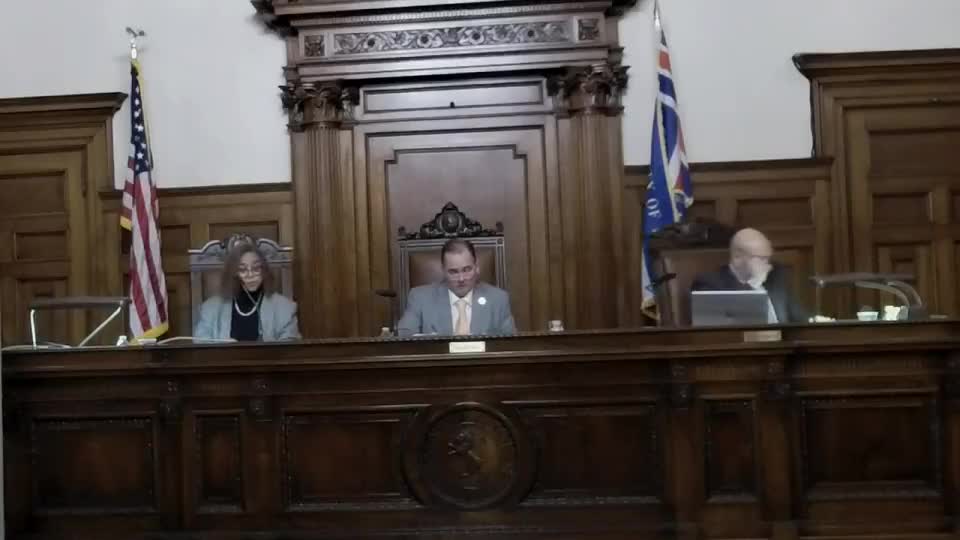
The Essex County division of Community Action briefed commissioners on Jan. 6 and the board approved a set of renewals for the state SSH (Supportive Services for the Homeless or similar state program) grant that funds emergency shelter, rental and utility assistance and homeless-prevention services.
Director Derrick McCoy (introduced as the division director) told the board the grant funds emergency rental assistance and homeless prevention delivered through subcontracts to community agencies. He said the county will subcontract to 19 agencies overall and introduced five subrecipients that appeared at the meeting to describe services: the Salvation Army (Cornerstone House, Montclair), Newark YMCA (shelter, rapid rehousing and wraparound services), Turning Point Community Services (Irvington family shelter), Harmony House / New Community Corporation (Newark shelter, relocation specialist and a 102-unit capacity cited by the speaker) and Irvington Neighborhood Improvement Corporation (rental, utility assistance and security deposits).
Representatives explained those programs generally serve the working poor who do not meet other program eligibility, provide short-term shelter (typically 30–90 days) and deliver case management, job training referrals and assistance securing permanent housing. Director McCoy said referrals from DFAB (the state/local welfare intake referenced in the discussion) that do not qualify for DFAB services are routed to the county office for referral to subcontracted partners. Commissioners asked for details about the most pressing needs; agency speakers cited shrinking state funds, high housing costs, realtor fees and insufficient availability of low-income units. Agencies requested help with state-level funding and stronger workforce-development connections.
Commissioners approved resolutions 4 through 9 (SSH and related emergency appropriations and contract renewals) by roll call. Commissioner Vice President Cooper and others praised the work and asked the division to provide follow-up information on donation points and referral procedures. Director McCoy and the agencies said the county office routes cases and that they would provide contact points for donations and volunteers. The roll call recorded the commissioners’ unanimous approval among those present (absentees noted: Commissioner Luciano, Commissioner Murray Thomas and Commissioner Sermons).