Get Full Government Meeting Transcripts, Videos, & Alerts Forever!
Get email alerts on the School Budget topic
No spam. Unsubscribe anytime.
Goochland superintendent presents balanced proposed budget, flags $880,897 in unfunded priorities
Summary
Superintendent Dr. Kumar presented a proposed balanced operating budget that uses a projected $31 million county transfer and $892,981 in revenue increases to match planned investments and cuts; $880,897 in priorities — including additional interventionists, an ESOL FTE and a work‑based learning coordinator — remain unfunded.
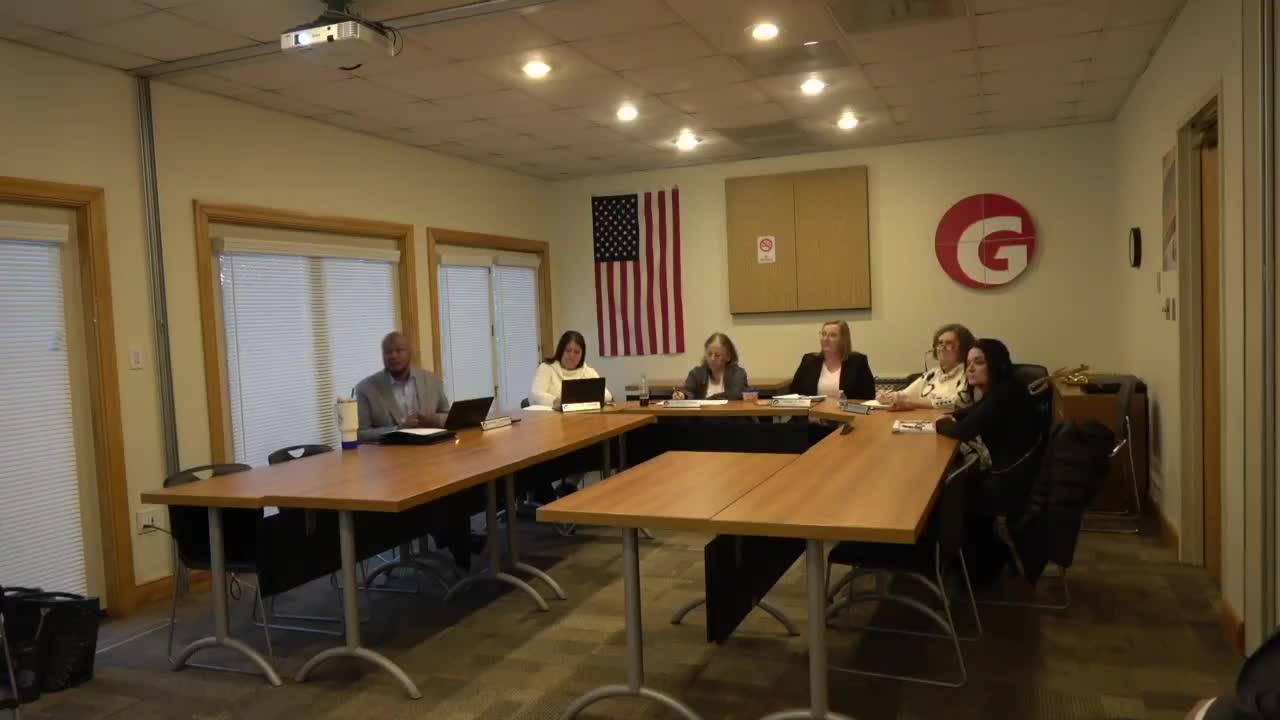
Superintendent Dr. Kumar presented a proposed balanced operating budget to the Goochland County Public Schools School Board at the board meeting, saying projected increases in revenue and a series of planned reductions leave the division with a balanced proposal while several priorities remain unfunded.
Dr. Kumar said the budget relies on a county transfer projected at a little over $31,000,000, which he said will represent about 71% of the division’s operating budget, and on a total projected revenue increase of $892,981 (about 2% year over year). "I present to you a balanced budget where our total revenue matches our total projected investments," Dr. Kumar said.
The superintendent outlined investments tied to the district’s strategic goals and the offsets used to balance the plan. Major investment categories he cited included curriculum and instruction ($95,424), inclusive and engaging culture (about $713,534, which includes a 3% cost‑of‑living increase for staff that he put at roughly $995,839 when accounting for grant‑funded employees), and facilities, resources and technology ($746,581). To reach balance, the division is also proposing what Dr. Kumar described as "strategic abandonment" measures — cuts or delays in subscriptions, nonessential contracts, vehicle replacements and other items — totaling $662,558.
Even with the proposed package, Dr. Kumar said $880,897 in priorities remain unfunded. He listed the top unfunded items as three interventionists, one full ESOL FTE (projected salary and benefits about $94,000), a work‑based learning coordinator, percentage‑based stipend adjustments for middle‑school coaches, an assistant robotics coach and an agriculture teacher at the middle school. He also noted the delayed purchase of one school bus (estimated at about $147,000) and two maintenance vehicles (about $108,000) as part of the tradeoffs made to show a balanced budget.
Board members pressed on the tradeoffs and on the division’s priorities. "Can you maybe share with me your thought process of bringing us a balanced budget versus ... a needs‑based budget?" Board member Miss Maxwell asked, referencing the unresolved items. Dr. Kumar replied that the board had been shown multiple options and that the administration selected a path that included targeted investments while deferring or sacrificing other items to stay within the anticipated revenue.
On enrollment and forecasting, Dr. Kumar warned the board that the division still faces uncertainty. He said kindergarten registration, which opens in April, will be important; he noted the division saw about 60 more kindergartners than anticipated the previous year and said growth in new subdivisions could increase enrollment. He also said state‑level negotiations over the local funding plan and possible changes to the Virginia Preschool Initiative (VPI) share could alter revenue assumptions.
Board members asked for clarification on several line items: cafeteria fund revenue (listed at $56,186), textbook adoptions and classroom materials (numbers presented in the curriculum section), technology device replacement cadence (the division staggers purchases and recycles iPads for early grades), and the nature of the division’s "indirect cost contingency" tied to federal grants (an allowable overhead percentage the division can retain for administration).
Dr. Kumar outlined the next steps in the budget schedule the division will follow: staff will present a full balanced budget and hold a public hearing on the budget if the county transfer is finalized; the superintendent will participate as a citizen when the county administrator presents his recommended budget; and the school board hopes to approve the division’s proposed budget and salary scales in February before the county board of supervisors receives the recommendation in March.
The meeting included two routine procedural actions: a motion to adopt the meeting agenda (moved by Miss Maxwell and seconded by Miss Allen) and a later motion to adjourn. Neither action affected the budget proposal, which remained at the presentation-and‑discussion stage.
Board members and staff signaled they will continue to refine projections and priorities as enrollment and county and state revenue figures become firmer. Dr. Kumar closed the presentation by noting the division remains prepared to adjust the plan if additional revenue becomes available and reiterated that several previously discussed investments are still on the table pending final revenue figures and board direction.