Get Full Government Meeting Transcripts, Videos, & Alerts Forever!
Get email alerts on the Artificial Intelligence topic
No spam. Unsubscribe anytime.
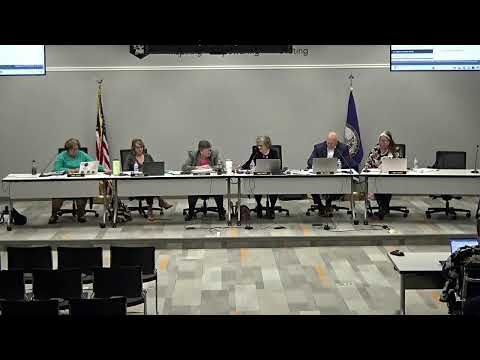
Powhatan schools outline AI pilot and guidelines; board presses on critical‑thinking safeguards
Summary
Powhatan staff described a year of teacher pilots, district guidelines and planned parent outreach for generative AI while board members pressed for classroom safeguards and student critical‑thinking instruction.
Powhatan County Public Schools briefed the board on current and planned work around artificial intelligence, including teacher pilots, professional learning and student safeguards.
Dr. Michelle Markle, who presented the update, described AI broadly and said the district is piloting two teacher‑facing tools and has formed teacher groups to evaluate classroom applications. "AI is now," she said during the presentation, adding that the district’s work aims to "ride those waves skillfully, strategically, and always for students."
What the district has done: Dr. Markle said staff participated in a Virginia Association of School Superintendents (VASS) GenAI year‑long learning cohort and ran a local pilot of two classroom tools (DIFIT and Magic School). The district asked k–12 teachers to complete a usage survey in January; among secondary teachers she reported roughly 47% said they are using AI for school work, 28% for personal use and 25% not at all. For elementary teachers, she said 27% reported school usage, 26% personal usage and 47% not using AI intentionally.
Applications and limits: Dr. Markle emphasized teacher efficiency, differentiated materials and assessment as near‑term benefits. She also stressed ethical safeguards and compliance with federal student‑privacy laws: "We will do all the work that we need to do to protect our student data and adhere to FERPA and COPPA and CIPA," she said.
Board questions focused on classroom practice and critical thinking. One board member asked for concrete examples of how the district will teach verification and critical analysis rather than allow AI to replace student thinking. Dr. Markle described an approach she has seen in higher education: ask AI to draft a paper or response and assign students to verify, critique and validate the output as the classroom exercise. "They spent time basically picking it apart and verifying all of the information," she said of the activity.
Other operational points from the presentation: - The district plans follow‑up teacher feedback collection from a 21‑teacher pilot and to offer parent informational sessions in 2025–26. - Dr. Markle said the district will develop professional learning pathways for staff and common lessons so students receive consistent instruction on AI ethics and proper use. - The presentation referenced Governor Youngkin’s Executive Order 30 (February 2024) as a statewide call to action for responsible AI use in education and public agencies.
Board members voiced mixed reactions. Several expressed support for controlled, teacher‑led use tied to critical‑thinking instruction; others urged caution about screen time and data privacy for students. The board asked for continued evaluation of the pilot and training plans.
Ending: District leaders said the next steps are to collect pilot data through the end of the school year, adjust professional learning offerings based on teacher feedback, and continue community outreach about responsible AI use.