Get Full Government Meeting Transcripts, Videos, & Alerts Forever!
Get email alerts on the Liquor Control Notices topic
No spam. Unsubscribe anytime.
County staff to add response timelines to Liquor Control Board notices after recurring conflicts
Summary
Planning staff said state liquor licensing routinely issues licenses even when county land‑use approval is absent; commissioners asked staff to include clear response windows in county letters to applicants to reduce costly enforcement cases.
Planning staff told the Yakima County Board of Commissioners on Monday that State Liquor Control Board practice of issuing licenses despite county land‑use nonconformance has produced costly enforcement cases and business investments made without local approval.
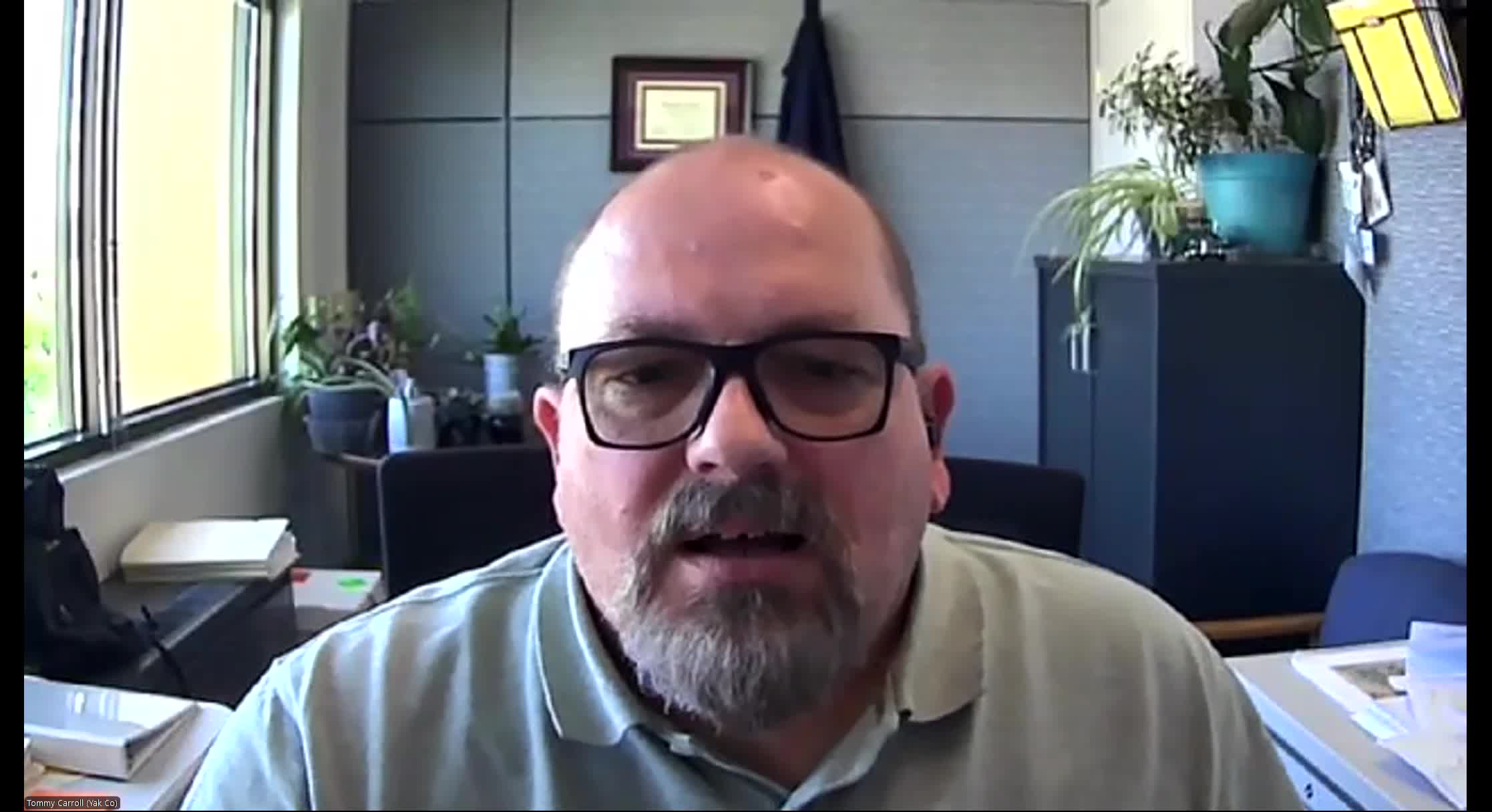
Tommy Carroll said the Alcohol and Cannabis authorities often issue state licenses while local land‑use approvals remain unresolved or absent; county staff currently respond to liquor‑license notices by confirming whether the property has required land‑use approvals. Staff reported frequent situations in which applicants invest in facilities without county permits and the state issues a license regardless of county objections.
Commissioners and staff discussed adding more explicit timeframes and steps in the county’s response letters to liquor‑license notices. Commissioners supported giving property owners a clear deadline to contact county planning staff and suggested a 30‑ to 90‑day response window and a follow‑up by code enforcement if no response or next steps occur. Several commissioners stressed that property owners retain responsibility to confirm local approvals before making large investments.
No change in state liquor licensing practice was recorded; commissioners directed staff to update county response letters to provide clear contact steps and timeframes so code enforcement can follow up when warranted.