Get Full Government Meeting Transcripts, Videos, & Alerts Forever!
Get email alerts on the Education Accountability topic
No spam. Unsubscribe anytime.
Danville board hears rollout of Virginia’s new accountability framework; state growth scores arrive in September
Summary
School staff presented Virginia Department of Education’s new school performance and support framework and described how Danville Public Schools will track mastery, growth and readiness; board members pressed for community rollout and resources for families.
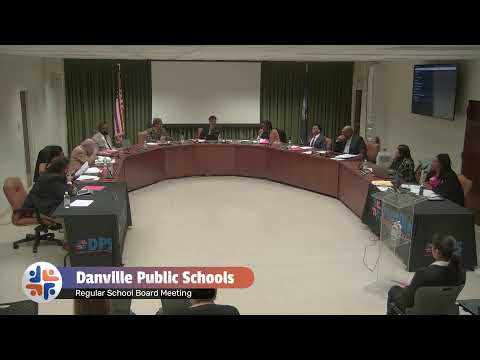
Danville School Board members heard a detailed presentation Jan. 9 on Virginia’s new school performance and support framework, the system the Virginia Department of Education (VDOE) will use to rate schools based on mastery, growth and readiness.
The presentation, led by Miss McGraw and Miss Agner of Danville Public Schools central office, explained how the framework combines mastery measures (SOLs, VAAP and English-language proficiency), growth in reading and math, and readiness indicators such as chronic absenteeism and college/career/enlistment measures at the high school level. “This is a system built for Virginians by Virginians,” Miss McGraw said.
The framework matters because it will change how schools are classified — for example, the presentation said schools scoring 90 points or more will be “distinguished,” and scores of 80–89 are “on track” — and will determine which schools receive additional, state-provided support. Miss Agner described resources the division will publish on the Danville Public Schools families page and on the district’s data platform to help principals, staff and parents track progress.
Presenters walked the board through the implementation timeline and the data components. Mastery and readiness data come from statewide assessments and attendance records; however, growth scores are calculated relative to students in other districts and will not be available until the state releases all districts’ scores, usually in September. As Miss McGraw explained, that timing is necessary because growth in the new model compares students to similar peers statewide.
Board members asked how the district will share information with families and community partners. Mister Payne asked about the rollout plan; Miss Agner said the district is adding an accountability page to the DPS family resources section and will provide materials through schools. Doctor Williams and others urged outreach and practical supports for families. Miss Agner emphasized day-to-day actions for parents: “We need kids in school every day, and they need to do their work every day and, be engaged and not disrupt class,” and noted existing tutoring programs and Saturday school offerings.
Members raised technical and equity concerns. The board asked about interim measures the district will use to project likely outcomes before the official state release; presenters said the district will rely on local benchmarks, weekly attendance monitoring and internal growth measures (iReady and similar) to give schools a running picture of where they stand. The presenters also flagged a policy change that will require many English learners to test in English after three semesters rather than the previous 11 semesters; board members noted that change could create short-term challenges for schools serving a large number of learners.
Trust and clarity with families emerged as a recurring theme. Several board members suggested short videos or “toolkits” to model simple at-home supports — for example, quick math activities or daily reading practices — so parents who do not navigate dense web pages can still support learning. Miss Agner confirmed staff will work on materials and outreach, and the district indicated it will use school newsletters, direct communications and local stakeholder networks to publicize the resources.
The presentation was informational; no formal Board action was taken on the accountability framework at the Jan. 9 meeting. Board members directed staff to continue community outreach and to return with additional details as state guidance and data become available.