Get Full Government Meeting Transcripts, Videos, & Alerts Forever!
Get email alerts on the Public Safety Funding topic
No spam. Unsubscribe anytime.
Legislature advances $262,002 discovery grant for DA amid debate over spending and oversight
Summary
The full body moved a $262,001.92 discovery grant for the district attorney forward after a contentious discussion about whether bonus payments should be held in a contingency account or placed into specific salary lines to satisfy a 60‑day state reporting requirement.
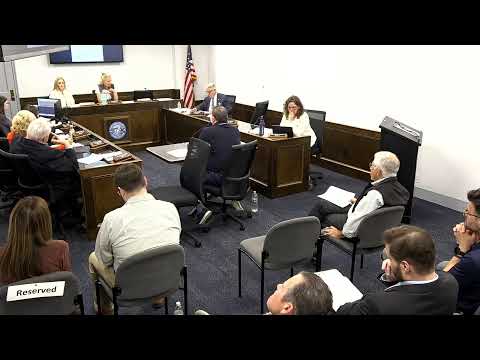
The Clinton County Legislature on April 28 voted to move a budgetary item that totals $262,001.92 in criminal‑discovery grant funding for the district attorney’s office forward for full legislative consideration, after extended debate about how the money should be administered.
The funding package includes an incremental increase to the DA’s 2025 budget to reflect the full grant award. A separate line in the backup shows $60,927 proposed for personnel bonuses; the DA requested that that amount be placed temporarily in a 999 (sub‑contingency) line so the office can meet state reporting and a 60‑day use‑or‑lose timeline and then use RPC (personnel action) forms to move individual payments into salary lines quickly.
District Attorney Vanizio (identified at the meeting as the DA) told the committee the office needed speed to meet the state’s reporting deadlines and described RPCs as a routine, public personnel action: “I don't have time to come here and say, I need permission for this person … I just don't have time to do it,” he said, arguing the contingency approach would let the office submit the detailed state report within 60 days and then process personnel actions.
Several legislators and the county auditor pushed back, citing accountability and precedent. The county auditor said allowing a lump 999 line without line‑by‑line appropriation is “like having … a blank sum of money” and stressed the legislature’s role in tracking how grant funds are spent. Other legislators said they supported the DA’s retention goals but worried that an unconstrained contingency pot would set a precedent that could limit legislative oversight for future grants.
A legislator also announced a recusal on the item because the grant funds included allocations tied to several municipal police departments; that legislator left the room for the relevant portion of the discussion. Commissioner of Finance Mike Lewis and the county auditor explained administrative procedures: fund certification and transfers from fund balance may be used for grant purposes, but the legislature commonly expects projects or line items to be specified so expenditure can be audited.
After extended debate about transparency, timing and precedent, the committee voted to move the DA grant/budgetary item as written to the full legislative body for final action so the DA can meet the state timeline. Members recorded a voice vote in committee in favor of forwarding the item; no final appropriation of individual bonus lines was recorded in committee at the meeting.
The discussion underscores a recurring tension in county budgeting: the need to reconcile state grant reporting deadlines and departmental retention needs with the legislature’s responsibility to appropriate and audit public funds.