Get Full Government Meeting Transcripts, Videos, & Alerts Forever!
Get email alerts on the Bylaws topic
No spam. Unsubscribe anytime.
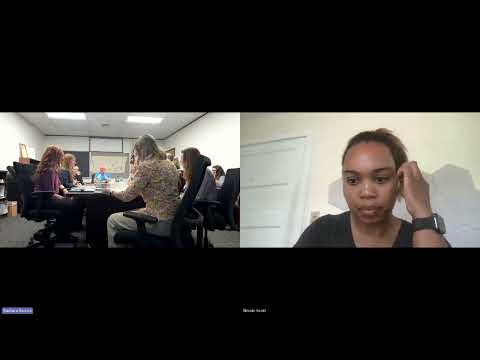
Putnam County agricultural board adopts bylaws with plan to amend; members debate office location, recording and ex‑officio voting
Summary
The Putnam County Agricultural Board voted on May 1 to adopt draft bylaws as presented while agreeing to refine specific language at future meetings.
The Putnam County Agricultural Board voted on May 1 to adopt a draft set of bylaws as presented and to pursue specific amendments at upcoming meetings.
The vote came after more than an hour of discussion led by Chair Christine Sage, who said the board should accept the draft bylaws now so the board has governing rules in place while members continue to refine language on matters including office location, meeting notices and recording minutes. “I would like to make a motion that we accept them as they are and amend them in the near future,” Sage said before the motion passed.
Why it matters: the bylaws define how the board will notice meetings, record minutes, solicit nominees, and interact with state requirements. Board members pressed for clearer language to align the draft with state Ag & Markets rules, to ensure public notice, and to require that meetings be recorded and posted.
Members proposed changes during debate. Several speakers urged naming the Planning Department and a room address as the default office location “unless otherwise noticed,” and adding a requirement that any change to the office be posted to the county website with at least five days’ notice. Members also asked that agendas and minutes be posted to the county’s website and to a SharePoint repository managed by county staff. Trish McLaughlin, Putnam County director of real property, and other members discussed the technical steps for posting and retention of records; the board agreed minutes and recordings should be uploaded promptly and retained in accordance with applicable state record‑retention policies.
The text also prompted lengthy discussion about ex‑officio members and voting. Neil Tobin, representing soil and water, and other members reviewed the state language that designates the county soil and water conservation district chair—or a chair’s designee—as the ex‑officio representative. Board members sought to make the bylaws’ language match state guidance about whether a designated employee may serve as the voting ex‑officio representative. “If the chairperson designates someone to come to this meeting, that person has to be an employee of the county,” Trish McLaughlin said; other members asked staff to make the phrasing consistent with Ag & Markets law.
Members also noted typographical and jurisdictional fixes in the draft (for example replacing an incorrect county name with “Putnam County”) and flagged a conflict between a removal/notice provision in the draft and state law governing legislative removals; the board asked staff to check statutory language and to propose reconciled wording.
Vote and immediate outcome: Board members recorded a roll‑call vote on the proposal to accept the bylaws as presented (to be amended later). The roll call, as recorded in the meeting transcript, shows: Erin (yes); Ruby Cochranberg (yes); Barbara Burrowson (yes); Trish McLaughlin (yes); Nicole (yes); Joni (yes); Fred Finger (no); Betsy Ryder (yes). The motion carried. The transcript did not capture a definitive roll‑call entry for Dave. The board agreed the chair and a small group of members will consolidate suggested edits and circulate a Word document on SharePoint for tracked‑change review before the next meeting.
Next steps and process clarifications: Board members resolved to continue review by sections at future meetings, to form or authorize subcommittees for education and for the agricultural plan if needed, and to post proposed amendments as agenda items. Members asked county staff and IT to ensure SharePoint access for board members and to post meeting audio and minutes within a short timeframe (members discussed one‑ to three‑day windows; the board agreed to a prompt posting schedule subject to county IT capability).
Ending: The bylaws remain effective pending the scheduled amendments. The board asked staff to prepare a marked‑up version showing proposed changes and statutory references for the next meeting so members can vote on specific amendments rather than reopening the entire document.