Get Full Government Meeting Transcripts, Videos, & Alerts Forever!
Get email alerts on the Planning And Development topic
No spam. Unsubscribe anytime.
Planning commission, architecture review board report: fewer applications, focus shifts to implementing Clayton Tomorrow 2040
Summary
The Planning Commission/Architecture Review Board reported a significant drop in applications for calendar year 2024 and described priorities for implementing the city's comprehensive plan, Clayton Tomorrow 2040, including an overlay district review and neighborhood standard updates.
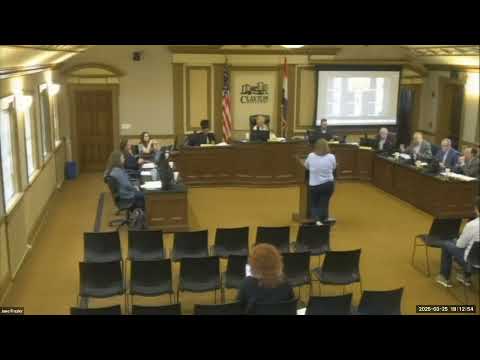
The Planning Commission and Architecture Review Board told the Board of Aldermen on March 25 that the overall number of applications they considered fell substantially in calendar year 2024 compared with 2023, and that their top priority this year is implementing the city's adopted comprehensive plan, Clayton Tomorrow 2040.
Staff said the year-to-year change mostly reflected a drop in the number of large planned unit development (PUD) applications in 2024 and administrative code changes that allow routine items such as residential solar panels, signage and retaining walls to be approved through the building permit review rather than requiring ARB hearings. Anna Crane, director of planning and development services, told the aldermen that single-family residential architectural reviews continue to constitute a high volume of ARB business and that the commission also completed an overlay-district review tied to the Washington University/Concordia area.
Why it matters: The commission said its work is shifting from adoption and review to implementation: steering-committee and plan-commission meetings wrapped up adoption of Clayton Tomorrow 2040, and staff and commissioners are moving into a multi-year work plan for implementing related priorities, including a neighborhood standards review that will update the city's architectural guidelines.
Details: Crane said administrative streamlining reduced the number of formal ARB applications by moving straightforward items into the permit review timeline, which shortens turnaround for residents. Commissioners and staff noted the board meets twice monthly and requires detailed advance review, which increases workload for volunteers. Audience members and aldermen urged staff to show more graphics during ARB presentations so the public can follow discussions; staff said members now routinely display and annotate site plans or renderings during reports.
The board also discussed enforcement and post-approval compliance: commissioners said construction-permit and inspection staff are the primary path for follow-up when projects have prior violations or poor compliance histories. Crane said zoning and ARB decisions are limited if no active violations exist at the time of review; enforcement actions generally occur through the construction-permit and inspections process.
Next steps: Staff said they will continue implementation of the comprehensive plan into 2025, advance the neighborhood standards review, and track whether administrative changes further improve permit turnaround.