Get Full Government Meeting Transcripts, Videos, & Alerts Forever!
Get email alerts on the Water Fluoridation topic
No spam. Unsubscribe anytime.
Hannibal council agrees to research ordinance on water fluoridation after resident’s appeal
Summary
A resident urged the City Council to remove fluoride from municipal water; council voted to direct staff to research whether an ordinance change is required and to return with a draft for consideration in February.
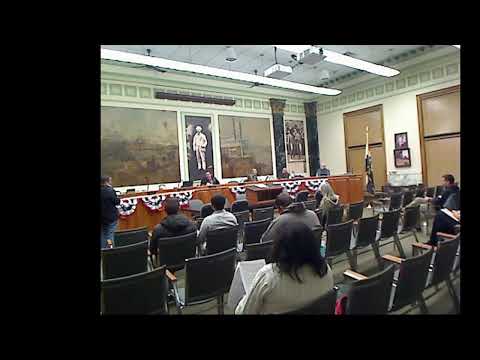
A resident urged the Hannibal City Council on Jan. 21 to end fluoridation of the city’s water system and asked officials to place an ordinance on a future agenda for possible removal.
Susan Lichty told the council she has been concerned about fluoridation “for many, many years” and cited a recent federal hearing she said raised questions about risk to children. “This is a medication,” Lichty said, adding that the Food and Drug Administration designated fluoride as a drug in 2000. She asked the council to consider removing it from Hannibal’s water and to return the item for a vote in February.
Council members discussed next steps and whether changing local practice would require amending city ordinance or the charter. Mayor Aaron Lotterman said he would confirm with staff whether an ordinance change would be needed and, if so, place it on the February agenda for two readings. A motion was made directing staff and the mayor to research the legal and operational steps and to return with an ordinance or proposal; council members recorded their votes by roll call: Mayor Pro Tem Tim Dobson — No; Councilman Cohen — No; Councilman Phillips — No; Councilman Munger — Yes; Councilman Haycraft — Yes; Mayor Aaron Lotterman — Yes.
Council members said they wanted more information before making a policy change. “I don’t know if there’s enough hard data on it yet,” one councilmember said, noting that online searches produced conflicting information; another said medical and dental professionals they had consulted weighed the risk as higher than the benefit but also noted potential impacts on low-income residents who rely on fluoridated water for dental health.
Mayor Lotterman said he would consult with the Board of Public Works, which operates city water, before returning an ordinance to the council for formal consideration. The council did not adopt any municipal change at the Jan. 21 meeting; rather, it directed staff to research options and return with draft language and any required procedural steps for the February meeting.
The matter will next appear on the council’s agenda in February for staff reports and potential ordinance readings if staff identifies a path for a local change.