Get Full Government Meeting Transcripts, Videos, & Alerts Forever!
Get email alerts on the Public Comment Policy topic
No spam. Unsubscribe anytime.
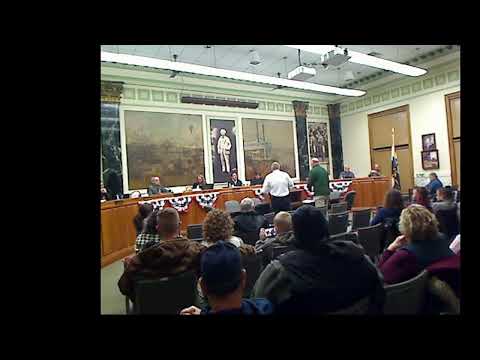
Hannibal City Council adopts new public-speaking policy, extends comment time to five minutes
Summary
The Hannibal City Council voted Feb. 18 to adopt a new public-speaking policy that distinguishes agenda items from general public comment, raises the standard public comment time to five minutes and allows the council to extend speaking time by vote.
HANNIBAL, Mo. — On Feb. 18 the Hannibal City Council voted to adopt a revised public-speaking policy that increases the standard public-comment allowance to five minutes and clarifies how topics reach the council’s business agenda.
City Attorney James, who drafted the policy language with staff input, said the measure is meant to make a clearer distinction between items that are actionable and those offered as comment. “If you set…a 5 minute limit, you encourage people to think about what they're gonna say, focus in,” James said during the discussion, adding that “if it's a discussion that requires an extension the way the policy is written, council can just say, move to extend the time, additional 5 minutes.”
The policy establishes two pathways for residents to appear on meeting materials: a public-speaking sign-up (for comment) and a formal agenda request intended for items the council may vote on. Under the new rule, agenda requests that propose an action must be brought forward through a sponsoring council member or the mayor; public-comment sign-ups do not require a sponsor and will remain available for timely, non-action items. Councilman Munger described the change as an attempt to “get some rules so everybody understands what they can and cannot do and make sure that everybody has a right to speak.”
Supporters said the change should help meetings run more efficiently and give speakers more time to present substantive items without repeatedly extending meetings late into the night. The policy explicitly preserves the council’s discretion not to respond during the public-comment period and provides a mechanism for the council to extend individual speakers’ time by majority vote.
During debate, some council members noted practical questions: whether a sponsor must be present for an agenda request to be accepted (the policy does not require the sponsor’s presence) and whether five minutes is sufficient if a presentation generates extended discussion. James and other council members said extensions can be granted on a case-by-case basis.
The council approved the policy by voice vote. The policy text, as discussed, will be added to council rules and distributed to staff and the public. The policy’s adoption followed several members’ requests at past meetings for clearer procedures distinguishing routine public comment from items intended for formal council action.
The new public-speaking policy will take effect immediately; procedural details and the formal text were provided to council and staff during the Feb. 18 meeting.