Get Full Government Meeting Transcripts, Videos, & Alerts Forever!
Get email alerts on the Labor Contract Negotiations topic
No spam. Unsubscribe anytime.
USD 443, DCNEA continue contract talks; evaluation software, calendar and staffing pay top agenda
Summary
District and union negotiators met to discuss nonmonetary contract changes including a state evaluation platform (Keep), calendar and professional development scheduling, department-chair and class-coverage pay language, and calendar-committee bargaining authority under state statutes.
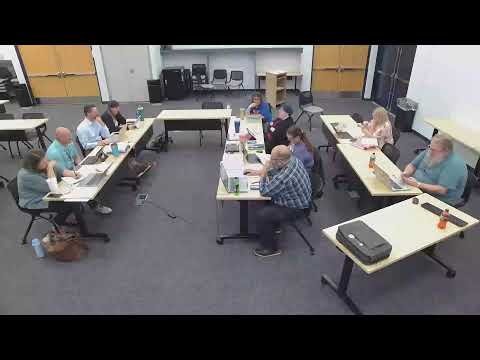
Dodge City USD 443 negotiators and representatives of the Dodge City National Education Association met for a bargaining session that focused on nonmonetary contract items, including whether to adopt the state evaluation tool Keep, changes to the school calendar and professional development days, department-chair and class-coverage pay language, and the role of the calendar committee in setting calendars that affect work days.
The session matters because the items under discussion affect teachers’ workloads, how evaluations are documented and stored, who votes on calendar options, and language that determines supplemental pay and assignment titles across USD 443 schools.
District and association negotiators spent the session reviewing an association letter of proposed changes and probing how the Keep platform would change evaluation workflows. Several teachers said Keep shifts the technical burden of uploading artifacts from administrators to individual educators and increases time spent preparing evaluations. “It’s shifting that burden from the administrator to the individual teachers,” a teacher who participated in the Keep pilot said, describing extra hours spent scanning and uploading artifacts. One teacher recounted working “7 or 8 different times just to try to get that one artifact to upload.” Another participant said teachers in a different district using Keep reported secondary teachers spending “10 plus hours, up to 20 hours” and elementary teachers spending “closer to 40 or 50” hours on artifacts during the pilot.
The district’s Associate Superintendent of Human Resources acknowledged the workload concerns and said she would check several items with the state, including whether districts are locked into Keep if they sign on and whether aspects such as the number of goals or required artifacts can be turned on or off. “I will get the answer to that question from the state as well,” the associate superintendent said about contract and platform questions the district will verify.
Negotiators also debated calendar changes. Teachers noted that the K–8 schedule shows 3.5 hours of professional development on Oct. 9 and Feb. 5 and asked whether that time was newly added or moved from other dates. The association asked the district to audit student contact minutes, professional development days and parent-teacher conference scheduling to determine whether proposals—such as adding Presidents Day as a paid holiday—would reduce required student contact time or require adjustments elsewhere in the calendar. The district agreed to compare contact minutes, professional development days and holidays and report back at the next session.
Contract language changes under consideration included updating the list of department chairs to add communications and science, moving the elementary class-cover pay provision to the same location as secondary class covers and confirming an hourly rate for elementary class coverage ($30.58 per hour as shown in the draft). Negotiators also agreed to change a special-salary schedule entry for a high school assistant who floats to middle schools to read “high school assistant / middle school floating assistant” and retain a $5,000 pay line for that position.
The parties discussed adding formal language to handle split roles—two staff members sharing a PLC facilitator or department-chair stipend—and agreed to draft safeguards so one person does not perform most of the work while pay is split. The association also proposed creating a joint professional-practices committee (association and HR representatives) to develop recommendations on topics such as student discipline, safety and onboarding; the district said those topics are likely permissive under state law and said it would caucus internally before agreeing to include them in the negotiated agreement.
A central legal question at the session concerned who should vote on proposed calendars and whether calendar recommendations implicate mandatory bargaining topics under Kansas statutes cited in the meeting. Association negotiators proposed that the calendar committee produce three calendar options that the bargaining unit would vote on, with the winning option submitted to the board; they proposed removing non-bargaining members from any final vote on matters that affect hours or amounts of work. District negotiators countered that the calendar committee’s role is advisory and that issues affecting duty days and hours remain mandatory bargaining topics and may be governed by provisions elsewhere in the negotiated agreement. Both sides asked for legal clarification; negotiators cited KSA provisions during the discussion (see authorities below).
The session ended with tentative agreements on several housekeeping items (scheduling future bargaining dates, moving class-coverage language, and adding department-chair entries) and commitments to return with state guidance on Keep and a district audit of calendar and contact-minute effects. The parties scheduled follow-up bargaining sessions and agreed to caucus on statutory interpretations before the next meeting.
The session recorded no formal votes or final contract adoptions; negotiators characterized several items as tabled pending additional information or caucus decisions.
The district said it would provide the state-supplied answers and a calendar-minute comparison at the next negotiation meeting so the parties can continue discussions about evaluation tools and calendar adjustments.